Cormorant Symbolism: Spiritual Meaning, Culture, Dreams & Omens (Complete Guide)
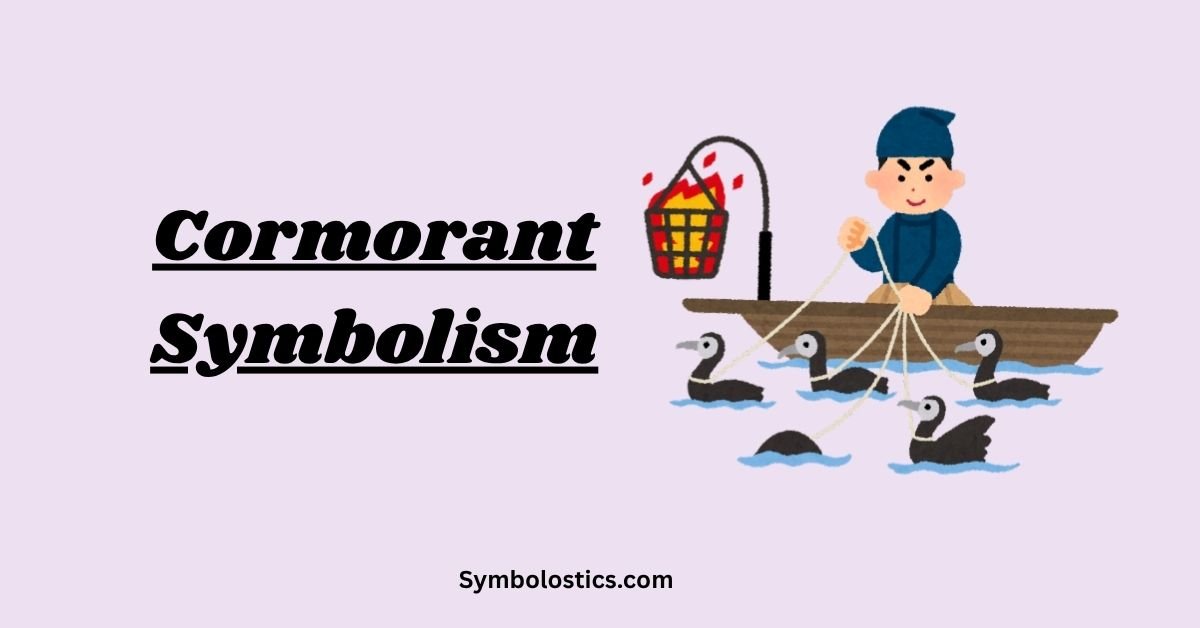
Across oceans, rivers, and coastal landscapes, the cormorant has long been observed as a mysterious water bird with an almost mythic presence. Unlike more commonly celebrated birds like eagles or swans, the cormorant is often misunderstood—yet in symbolism, it represents profound themes of adaptation, survival, emotional depth, and spiritual transformation.
In many cultures, this bird is seen diving into the unknown depths only to resurface with what is hidden beneath—making it a powerful metaphor for the human journey into subconscious truths, emotional healing, and life’s hidden wisdom.
This article explores cormorant symbolism in spirituality, culture, psychology, dreams, religion, and modern interpretations, offering a complete SEO-optimized guide.
Featured Snippet Definition: What Does Cormorant Symbolize?
The cormorant symbolizes deep emotional exploration, adaptability, spiritual diving into the subconscious, and transformation through hidden knowledge. It is often associated with persistence, survival, mystery, and the ability to retrieve truth from emotional or spiritual depths. In many cultures, it also represents duality—both isolation and mastery of difficult environments.
Spiritual Meaning of Cormorant Symbolism
Spiritually, the cormorant is a powerful guide into unseen realms. Because it dives deeply underwater and re-emerges with prey, it represents:
Diving Into the Subconscious
The bird symbolizes exploring hidden emotions, trauma, and repressed thoughts. Spiritually, it urges self-reflection.
Transformation Through Depth
Like water symbolism itself, the cormorant reflects emotional transformation and rebirth after hardship.
Balance Between Isolation and Survival
Cormorants are often seen alone or in small groups, symbolizing spiritual independence and inner resilience.
Mastery of Dual Realms
It moves between air and water—representing balance between conscious awareness and subconscious truth.
Cultural Symbolism of Cormorants
Native American Symbolism
In some Native American interpretations, water birds like the cormorant are associated with:
- Deep emotional wisdom
- Fishing success and provision
- Connection between spirit and water realms
Certain coastal tribes viewed diving birds as messengers of hidden knowledge, capable of retrieving spiritual “gifts” from beneath the surface of reality.
Egyptian Symbolism
While not a primary sacred bird in ancient Egypt, water birds similar to cormorants were associated with:
- Fertility of the Nile
- Life cycles of abundance and scarcity
- Transition between life and afterlife realms
The act of diving into water aligned with Egyptian beliefs about descent into the underworld and rebirth.
Christian Symbolism
In Christian symbolic interpretation:
- Water birds can represent baptism and purification
- Diving into water reflects spiritual cleansing
- Emerging from water symbolizes resurrection and renewal
Some medieval texts associated dark-feathered water birds with isolation or spiritual struggle, emphasizing repentance and inner transformation.
European Folklore
In European maritime traditions:
- Cormorants were seen as sea omens for sailors
- They represented both good fishing fortune and storm warnings
- Some folklore portrayed them as mysterious “souls of drowned sailors”
Their dark feathers and silent behavior reinforced their mystical reputation.
Psychological Interpretation of Cormorant Symbolism
From a psychological perspective, the cormorant represents deep inner processing.
What Does It Symbolize Psychologically?
Emotional Depth
The cormorant reflects individuals who process emotions internally rather than outwardly.
Subconscious Exploration
Its diving nature symbolizes accessing hidden memories or suppressed emotions.
Resilience Under Pressure
Cormorants survive harsh environments, symbolizing mental endurance.
Solitary Reflection
It often represents introversion, introspection, and self-analysis.
“What does the sun symbolize?”
In symbolic psychology, the sun often represents conscious awareness, clarity, ego, and life force. When contrasted with the cormorant (a deep-water diver), it highlights the balance between:
- Sun → conscious mind, clarity, truth
- Cormorant → subconscious mind, mystery, emotional depth
Together, they symbolize psychological wholeness.
Scientific Life Cycle Explanation (Symbolic Connection)
Understanding the biology of cormorants deepens their symbolic meaning.
Key Life Traits
- Belong to the family Phalacrocoracidae
- Excellent underwater hunters
- Can dive up to 45 meters depending on species
- Spread wings to dry after fishing
- Live near coasts, lakes, and rivers
Symbolic Interpretation of Behavior
Diving Ability
Represents deep emotional or spiritual exploration.
Wing Drying Behavior
Symbolizes balance—after emotional immersion, recovery and self-restoration are necessary.
Fishing Skills
Represents resourcefulness and survival instincts.
Habitat Flexibility
Symbolizes adaptability in changing life conditions.
Dream Meaning of Cormorant Symbolism
Dreams involving cormorants are often emotionally significant.
Seeing a Cormorant Flying
- Symbol of rising above emotional confusion
- Spiritual awakening
Cormorant Diving into Water
- You are exploring deep subconscious issues
- Hidden emotions are surfacing
Dead Cormorant in Dream
- Emotional burnout
- Loss of intuition or direction
Group of Cormorants
- Social emotional dynamics
- Need for cooperation or boundaries
Cormorant Catching Fish
- Success after emotional struggle
- Achievement through persistence
Biblical Meaning of Cormorant Symbolism
In biblical references, water birds like the cormorant are sometimes mentioned in contexts of wilderness, desolation, or transformation.
Symbolic Themes:
- Isolation in spiritual deserts
- Purification through hardship
- Transition from chaos to order
Some interpretations associate cormorant-like birds with unclean environments, not as moral judgment but as symbolic separation from spiritual clarity before renewal.
Ultimately, in modern biblical symbolism, the cormorant reflects:
A soul undergoing deep purification before restoration.
Good or Bad Omen? Cormorant Symbolism Explained
The cormorant is neither strictly good nor bad—it is a neutral transformational symbol.
Positive Omen:
- Emotional healing
- Spiritual discovery
- Inner strength
- Adaptability
Negative Omen:
- Isolation
- Emotional overwhelm
- Hidden fears surfacing
- Unresolved subconscious issues
The interpretation depends on context, especially in dreams or personal encounters.
Cormorant as a Spirit Animal
If the cormorant appears as your spirit animal, it suggests:
Core Messages:
- Dive into your emotional truth
- Do not fear depth or introspection
- Balance solitude with social connection
- Trust your survival instincts
Strengths:
- Emotional intelligence
- Resilience
- Adaptability
- Focused determination
Weaknesses:
- Emotional isolation
- Overthinking
- Avoiding vulnerability
The cormorant spirit animal encourages deep self-discovery without fear of emotional depth.
Tattoo Symbolism of Cormorants
Cormorant tattoos are rare but deeply meaningful.
Common Tattoo Meanings:
- Emotional resilience
- Survival through hardship
- Mystery and depth
- Connection to ocean or water elements
- Personal transformation
Popular Designs:
- Flying cormorant (freedom and awakening)
- Diving cormorant (inner journey)
- Minimalist silhouette (mystery and simplicity)
People often choose this tattoo to represent personal rebirth after emotional struggle.
Love & Relationship Symbolism of Cormorants
In relationships, the cormorant represents depth over surface-level connection.
Symbolic Meanings:
Emotional Depth in Love
Encourages deep emotional bonding rather than superficial attraction.
Need for Space
Represents partners who require independence.
Healing Through Love
Suggests relationships that transform emotional wounds.
Emotional Honesty
Encourages confronting hidden feelings in relationships.
If the cormorant appears in a romantic context, it often signals emotional transformation within love life.
Comparison Table: Cormorant Symbolism Across Contexts
| Context | Symbolic Meaning | Core Message |
| Spiritual | Subconscious exploration | Inner truth discovery |
| Cultural | Survival & mystery | Adaptation in life |
| Psychology | Emotional depth | Inner reflection |
| Dreams | Hidden emotions surfacing | Self-awareness |
| Biblical | Purification & isolation | Spiritual cleansing |
| Omen | Neutral transformation | Change ahead |
| Spirit Animal | Deep emotional wisdom | Trust inner guidance |
| Tattoo | Resilience & rebirth | Personal transformation |
| Love | Emotional depth | Meaningful relationships |
Deep Analytical Insight: Why Cormorant Symbolism Matters Today
In modern symbolic psychology and spirituality, the cormorant is increasingly relevant because it mirrors human emotional complexity in the digital age.
People today are:
- Emotionally overwhelmed
- Seeking deeper meaning
- Struggling with internal vs external identity
- Balancing solitude and connection
The cormorant reflects this perfectly—it thrives in dual environments, dives into emotional depth, and resurfaces with clarity.
It is essentially a symbol of modern emotional intelligence and psychological resilience.
Frequently Asked Questions (FAQ)
What does a cormorant symbolize spiritually?
It symbolizes emotional depth, subconscious exploration, and transformation.
Is the cormorant a good omen?
Yes, it is neutral but often positive, representing growth through emotional depth.
What does seeing a cormorant in dreams mean?
It usually reflects hidden emotions or subconscious thoughts emerging.
What does a cormorant symbolize in love?
It represents deep emotional bonding and need for personal space.
What is the biblical meaning of cormorant symbolism?
It often represents purification, isolation, and spiritual transformation.
What does a cormorant spirit animal mean?
It encourages emotional exploration and inner strength.
Why is the cormorant associated with water symbolism?
Because it dives deeply into water, representing subconscious exploration.
Is the cormorant symbol positive or negative?
It is neutral—it depends on context and emotional interpretation.
What does a flying cormorant symbolize?
Freedom, awareness, and rising above emotional struggles.
What does a dead cormorant symbolize?
Emotional exhaustion, blocked intuition, or transformation ending.
Conclusion
Cormorant symbolism is one of the most psychologically and spiritually rich bird symbols in global interpretation systems. It bridges the conscious and subconscious, the visible and hidden, the emotional and rational.
Whether viewed through spirituality, dreams, psychology, or cultural mythology, the cormorant consistently represents depth, transformation, survival, and emotional intelligence.
In a world where surface-level understanding dominates, the cormorant reminds us of a powerful truth:
Real growth happens beneath the surface—where we are willing to dive into ourselves.