Ox Symbolism | Meaning, Spiritual & Cultural Insights
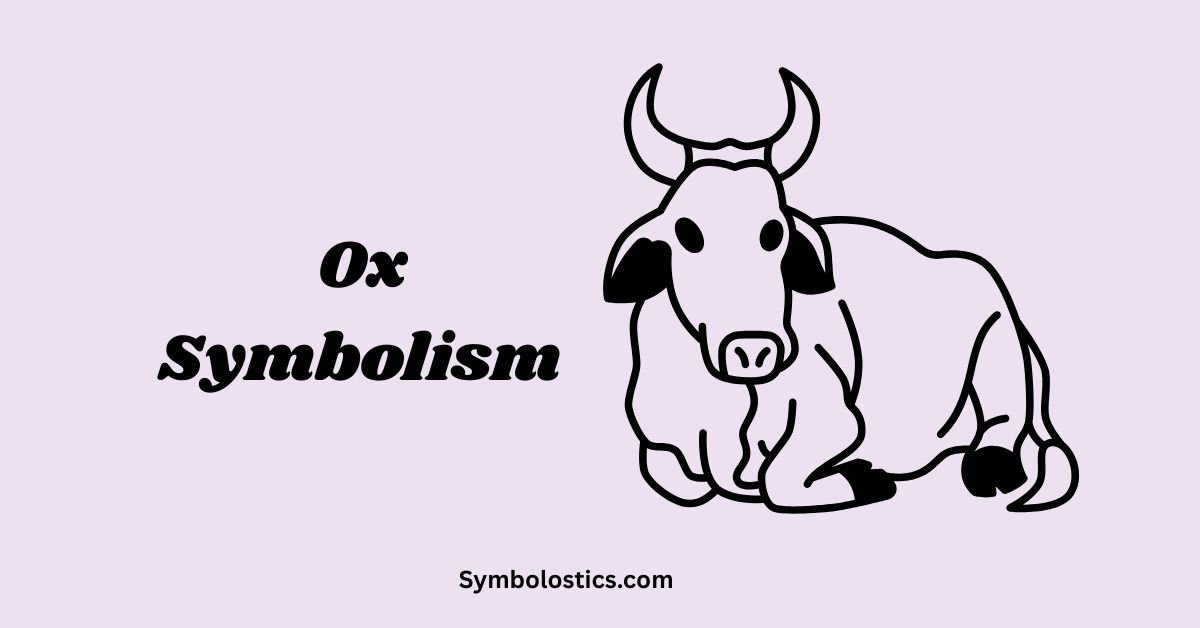
The ox is a powerful symbol found in many cultures and spiritual traditions around the world. It is widely known for its strength, patience, and steady nature. Across history, it has represented hard work and reliability.
In both ancient and modern societies, the ox has played an important role in agriculture and daily life. People have long depended on it for farming, transport, and survival. Because of this, it became a symbol of endurance and dedication.
Today, ox symbolism goes beyond physical labor and appears in dreams, art, and spirituality. It reflects inner strength, discipline, and slow but steady progress. The ox reminds us that success is built through patience and consistency.
Natural Traits of the Ox
The ox is known for its powerful physical strength and ability to perform demanding labor for long periods. It is a large, sturdy animal built for endurance rather than speed. This natural strength makes it one of the most reliable working animals in agricultural societies.
One of the most defining traits of the ox is its patience and calm temperament. It rarely shows aggression and tends to remain steady even under pressure. This composed nature allows it to work consistently without distraction or panic.
The ox is also highly dependable and disciplined in its behavior. It follows guidance from handlers and can perform repetitive tasks with focus and persistence. Because of these qualities, the ox naturally symbolizes stability, responsibility, and unwavering dedication.
Cultural Symbolism of the Ox
Across the world, the ox holds deep cultural meanings shaped by agriculture, religion, and mythology.
Chinese Culture
In Chinese tradition, the ox is one of the 12 animals of the zodiac. It represents:
- Hard work and determination
- Honesty and trustworthiness
- Stability and patience
People born in the Year of the Ox are believed to be dependable, responsible, and strong-willed. In rural China, the ox also symbolizes prosperity and a successful harvest.
Western Traditions
In Western cultures, the ox often symbolizes:
- Agricultural strength
- Manual labor and productivity
- Humility and service
In ancient Greece and Rome, oxen were used in sacrifices and farming rituals, representing both physical power and spiritual offering. The ox also appears in biblical imagery, often symbolizing service, sacrifice, and endurance.
Hinduism and Eastern Spirituality
In Hinduism, the ox is closely connected to agriculture and rural life. It represents duty, service, and hard work in supporting human survival. The ox is respected as a vital companion in sustaining life.
The most important spiritual connection is with Nandi, the sacred bull of Lord Shiva. Nandi symbolizes devotion, strength, and complete loyalty to the divine. In Eastern spirituality, the ox reflects patience, humility, and disciplined service on the spiritual path.
Spiritual Symbolism of the Ox
Spiritually, the ox carries deep messages about life and personal growth:
- Patience in life’s journey
- Steady progress over quick success
- Inner strength and resilience
- Grounding energy and emotional stability
- Hard work leading to spiritual rewards
The ox reminds us that success is built slowly, through discipline and persistence rather than haste.
Symbolism by Color
Oxen may also carry symbolic meaning based on color interpretations:
- Black Ox: Mystery, power, and inner strength
- White Ox: Purity, spiritual clarity, and peace
- Brown Ox: Stability, earth connection, and grounded energy
- Red Ox: Vitality, passion, and life force energy
Each color enhances a different emotional or spiritual aspect of the ox’s symbolism.
Ox Symbolism in Dreams
Seeing an ox in a dream often reflects your waking life responsibilities and mindset.
Common meanings include:
- You are carrying heavy responsibilities
- You need patience in a current situation
- Hard work will soon bring results
- You are emotionally strong and stable
- You may feel overburdened but capable
If the ox is calm, it suggests balance. If it is struggling, it may reflect stress or pressure in real life.
Ox Symbolism in Literature and Art
- Represents hard work, endurance, and rural life in classic literature
- Symbolizes silent strength and humble characters in storytelling
- Often used to show the connection between humans and nature
- Depicted in farming scenes to reflect tradition and simplicity
- Appears in poetry as a metaphor for patience and steady progress
- In paintings, represents agricultural life and peaceful countryside settings
- Used in folklore to highlight loyalty, service, and reliability
- Symbolizes the dignity of labor and the value of persistenc
Ox Symbolism in Tattoos
Ox tattoos are chosen for their deep meaning and powerful symbolism. They often represent:
- Strength and resilience
- Hard-working personality
- Stability in life
- Loyalty and patience
Some people also choose ox tattoos to symbolize their zodiac sign or to represent a life transformation through discipline and effort.
Modern Applications of Ox Symbolism
In the modern world, ox symbolism is often used to represent strength and reliability in business and leadership. Companies use the ox image to show stability, endurance, and trustworthiness. It reflects long-term growth built on consistent effort.
The ox also appears in personal development and motivational teachings. It encourages people to stay patient and focused on their goals without rushing results. Many coaches use it as a symbol of discipline and steady progress.
In branding and everyday culture, the ox represents hard work and productivity. It is linked with people who value persistence over quick success. This symbolism reminds modern society that true achievement comes from steady and committed effort over time.
Life Lessons from Ox Symbolism
| Life Lesson | Meaning | Practical Application |
|---|---|---|
| Patience | Success takes time and steady effort | Avoid rushing decisions and trust the process |
| Hard Work | Consistent effort leads to results | Stay committed even when progress feels slow |
| Discipline | Control over actions and focus | Build daily routines and stick to goals |
| Strength in Silence | True power is calm and steady | Handle challenges without panic or aggression |
| Responsibility | Carrying duties with reliability | Be dependable in work, family, and goals |
| Persistence | Never giving up despite obstacles | Keep going even during setbacks |
| Stability | Staying grounded in life | Maintain emotional balance in pressure situations |
| Consistency | Small efforts build big results | Work regularly instead of waiting for motivation |
Ox Symbolism in Different Mythologies and Religions
In Greek and Roman mythology, the ox is often linked with agriculture, sacrifice, and divine offerings. It was seen as a sacred animal used in rituals to honor gods of harvest and fertility. This reflects its role as a symbol of service and abundance.
In Biblical traditions, the ox represents strength, patience, and faithful service to God. It is also associated with sacrifice and hard labor in support of human life. The ox is often seen as a humble yet powerful creature dedicated to duty.
In Hinduism and Eastern beliefs, the ox is connected with Nandi, the sacred bull of Lord Shiva. It symbolizes devotion, loyalty, and spiritual discipline on the path of dharma. Across religions, the ox consistently represents endurance, sacrifice, and purposeful service.
Ox Symbolism in Agriculture and Economy
The ox has historically been one of the most important animals in agriculture. It was widely used for plowing fields, carrying heavy loads, and supporting farming activities. Because of this essential role, it became a symbol of productivity and survival.
In economic terms, the ox represents stability, labor, and consistent output. It reflects the foundation of early economies that depended on agriculture and manual work. Communities grew and developed because of the ox’s contribution to food production and trade.
Today, the ox still symbolizes hard work and sustainable progress in economic thinking. It represents slow but steady growth rather than quick profit. This makes it a lasting symbol of reliability, endurance, and economic strength.
FAQs on Ox Symbolism
What does the ox symbolize spiritually?
The ox symbolizes patience, strength, discipline, and steady progress.
Is the ox a lucky symbol?
Yes, in many cultures, especially Chinese tradition, the ox is considered a symbol of prosperity and good fortune.
What does seeing an ox in a dream mean?
It often reflects hard work, responsibility, and the need for patience in real life.
What does the ox represent in the Chinese zodiac?
It represents honesty, reliability, diligence, and strength.
Why is the ox important in agriculture?
Because it historically helped humans plow fields and develop early farming systems.
What does a calm ox symbolize?
A calm ox represents emotional stability, balance, and controlled strength in life situations.
What does a black ox symbolize?
A black ox often symbolizes hidden strength, mystery, and inner resilience.
Can ox symbolism represent personality traits?
Yes, it often reflects people who are hardworking, patient, dependable, and disciplined.
What does an ox tattoo symbolize?
It symbolizes strength, endurance, loyalty, and a strong work ethic.
Is the ox a spiritual guide animal?
In many traditions, yes. It represents grounding energy, persistence, and life discipline.
Conclusion
Ox symbolism is deeply rooted in human history, culture, and spirituality. It represents the quiet power of endurance, the importance of discipline, and the value of steady progress. Whether seen in dreams, mythology, art, or daily life, the ox reminds us that true strength is not about speed, but about consistency, patience, and unwavering effort toward long-term success. Its presence across cultures highlights how universal these values are in human experience. By understanding ox symbolism, we learn to appreciate hard work, remain grounded in challenges, and move forward with calm determination toward meaningful goals in life.