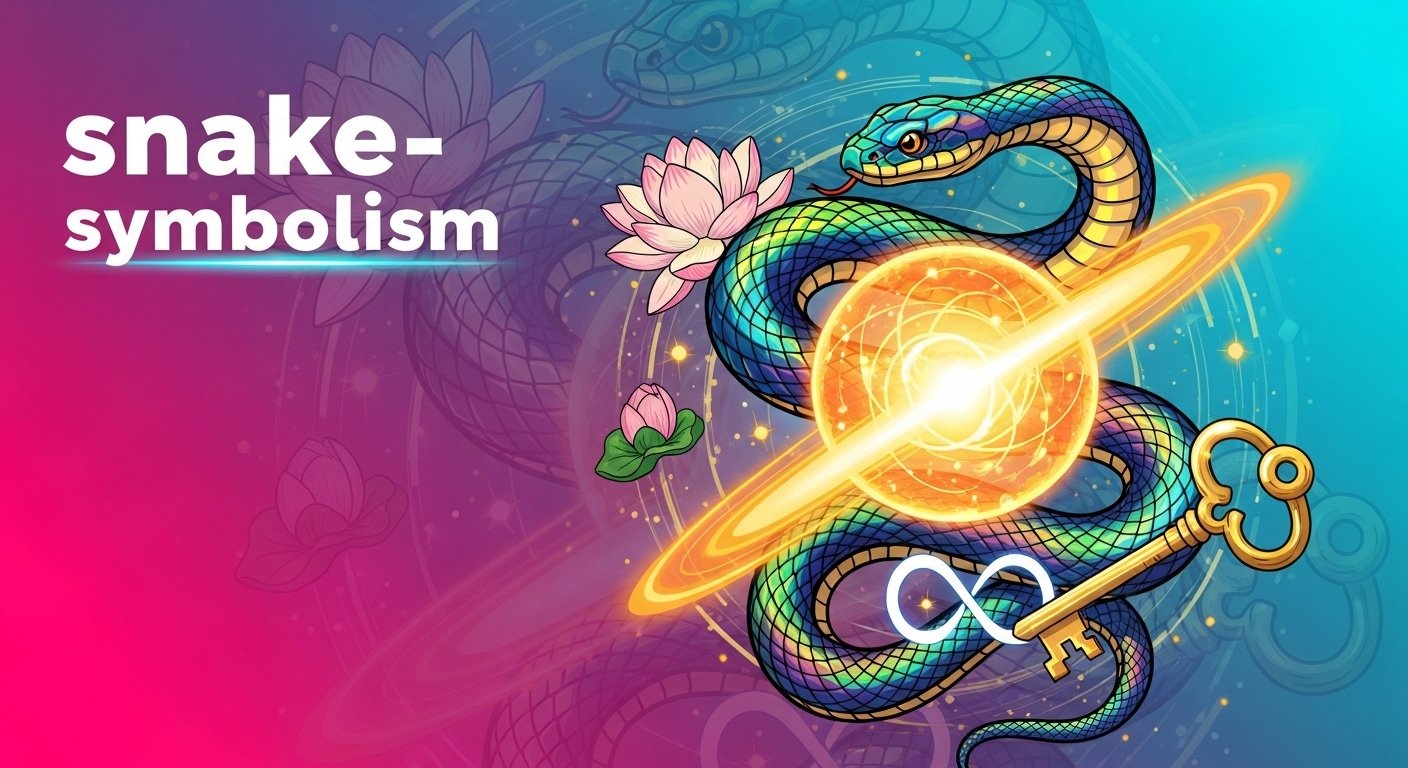
Symbolism of the Snake – Spiritual, Cultural, and Mythological Meanings
In the mystical tapestry of human history, few symbols are as powerful and paradoxical as the snake. Across continents and centuries, serpents have embodied both shadow and light—death and rebirth, poison and healing, temptation and enlightenment.
The symbolism of the snake is layered, enigmatic, and deeply spiritual. It slithers through ancient mythologies, sacred scriptures, psychological theory, modern fashion, and even contemporary witchcraft. From sacred temples to protective amulets, from dream interpretation to jewelry design, the serpent remains an eternal emblem of mystery and transformation.
Let’s journey into the timeless wisdom of the serpent.
Natural Traits of the Snake
Before exploring mythology, we must understand the snake’s natural qualities—because symbolism often arises from observable traits.
Shedding Skin:
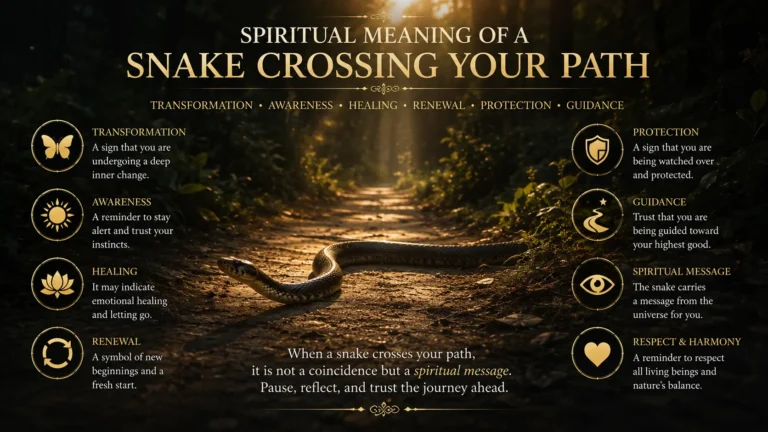
Snakes shed their skin in a process called ecdysis. This act has made them universal symbols of rebirth, renewal, and transformation.
Silent Movement:
Their quiet, fluid motion represents intuition, subtle power, and unseen influence.
Venom and Healing:
Some snakes carry venom capable of harm, yet venom has also inspired healing symbolism. This duality shaped ancient medical emblems.
Coiled Energy:
A resting snake coils itself—an image later mirrored in spiritual traditions describing dormant life force energy.
Nature itself made the serpent a living metaphor.
Historical and Cultural Symbolism of the Snake
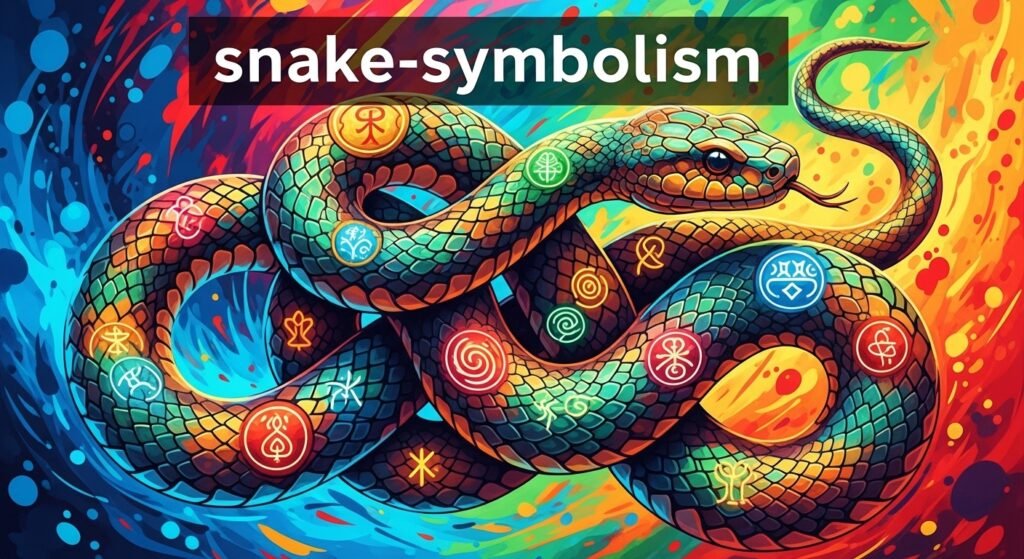
Across civilizations, the serpent has held sacred, royal, and cosmic meaning.
Snakes in Ancient Egypt
In ancient Egypt, the cobra goddess Wadjet symbolized protection and sovereignty. Pharaohs wore the uraeus—a rearing cobra—on their crowns to signify divine authority.
The snake also appeared in the form of Apophis, representing chaos opposing the sun god Ra. Here, the serpent embodied both protection and destruction.
Snakes in Greek Mythology
In Greek tradition, the staff of Asclepius featured a serpent coiled around a rod—still used today as a medical symbol. The snake represented rejuvenation and healing wisdom.
Another powerful symbol is the Ouroboros—a serpent eating its own tail—symbolizing eternity, cycles, and self-renewal.
Snakes in Hinduism
In Hindu cosmology, the cosmic serpent Shesha supports the universe, while Kundalini is depicted as a coiled serpent at the base of the spine, representing dormant spiritual power awaiting awakening.
Snakes in Hinduism symbolize divine energy, protection, and transcendence.
Snakes in Christianity
In the Book of Genesis, the serpent tempts Eve, becoming a symbol of temptation and knowledge. Yet paradoxically, Moses lifted a bronze serpent in the wilderness to heal the Israelites—revealing the serpent as both tempter and healer.
Christian symbolism reflects the snake’s moral duality.
Snakes in Chinese Culture
In Chinese zodiac tradition, the Snake represents intelligence, mystery, and strategy. It is associated with wisdom and intuitive insight.
Snakes in Mesoamerican Cultures
The feathered serpent god Quetzalcoatl symbolized creation, knowledge, and divine order in Aztec belief.
Here, the serpent became celestial.
Snakes in Native American Beliefs
Among various tribes, snakes symbolized fertility, rain, and transformation. The Hopi Snake Dance, performed for rain and harvest blessings, features serpent imagery in ceremonial dress.
Spiritual Symbolism of the Snake
Spiritually, the snake represents:
- Transformation
- Awakening
- Rebirth
- Shadow Integration
- Protection
In modern witchcraft and pagan traditions, serpents embody hidden knowledge and earth-based wisdom. The serpent becomes a totem animal for those undergoing profound change.
It teaches:
Shed what no longer serves you.
Symbolism of Snakes by Color
Black Snake: Shadow work, mystery, protection
White Snake: Spiritual purity, awakening
Green Snake: Healing and growth
Red Snake: Passion, vitality, primal force
Gold Snake: Divine wisdom, royalty
Color adds nuance to the serpent’s message.
Snake Symbolism in Literature and Poetry
Writers use serpents to symbolize temptation, wisdom, and hidden power. From biblical allegory to romantic poetry, snakes often represent transformation or forbidden knowledge.
The serpent archetype evokes fear and fascination simultaneously—making it powerful in storytelling.
Snakes in Art and Iconography
Snakes appear in:
- Temple carvings
- Ancient coins
- Alchemical manuscripts
- Renaissance paintings
- Occult symbolism
The Ouroboros, in particular, became central in alchemy as a symbol of eternal return and unity of opposites.
Snake Tattoos and Their Meanings
Snake tattoos are among the most popular symbolic designs today.
Meanings:
- Rebirth
- Protection
- Sensuality
- Power
- Healing
- Eternal love
Common Tattoo Designs:
- Coiled serpent
- Ouroboros
- Snake with flowers
- Twin serpents (duality)
- Snake and dagger (life/death balance)
Each design reflects the wearer’s personal transformation story.
Snakes in Weddings and Fertility Traditions
In Victorian England, snake rings symbolized eternal love and commitment. The coiled serpent—without beginning or end—represented everlasting union.
Across cultures, serpents have symbolized fertility due to their connection with earth and cyclical renewal.
Symbolism of Snakes in Dreams
Dreaming of a snake often signifies:
- Personal transformation
- Hidden fears
- Healing energy
- Betrayal or temptation
- Awakening intuition
The interpretation depends on the snake’s behavior, color, and emotional tone within the dream.
Psychological Symbolism of the Snake
Psychologist Carl Jung viewed the snake as an archetype of the unconscious—representing instinctual energy and transformation.
In Jungian psychology, encountering a snake in dreams or symbols often signals confrontation with hidden aspects of the self.
The serpent represents the integration of shadow and light.
Life Lessons and Philosophy from the Snake
The serpent teaches:
- Adaptability – Flow around obstacles.
- Renewal – Release old identities.
- Stillness Before Action – Power in patience.
- Balance – Embrace duality within yourself.
The snake does not rush. It transforms silently.
Historical Use of Snake Emblems for Luck
Throughout history, snake motifs were worn as talismans for:
- Protection
- Health
- Good fortune
- Spiritual strength
In ancient Rome, serpents associated with Asclepius symbolized healing and luck. Victorian snake rings were gifted as tokens of eternal devotion and prosperity.
The serpent became wearable magic.
Benefits of Wearing Snake Jewellery
Modern serpent-inspired jewelry merges mysticism and fashion.
Many believe snake jewelry offers:
Spiritual Transformation: A reminder to embrace change.
Inner Wisdom: Encourages intuitive decision-making.
Symbol of Growth: Reflects resilience and rebirth.
Protection: Acts as a symbolic guardian.
Personal Style: Adds bold, mystical elegance.
The sleek curves of serpent designs evoke power and mystery.
Introducing the Serpentine Jewellery Collection from Forage
For those drawn to serpent symbolism, Forage presents the Serpentine Jewellery Collection.
Each piece is handcrafted in small batches by artisans in India using pure brass, oxidized to achieve a deep gunmetal hue with golden undertones. From entwining serpent earrings to chunky snake bangles, the collection captures ancient mystique with modern edge.
Whether worn for symbolism or aesthetic allure, serpent jewelry channels protection, resilience, and transformation.
In modern witchcraft and pagan traditions, wearing serpent motifs symbolizes awakening, wisdom, and sacred feminine energy. The serpent becomes not just adornment—but intention.
Modern Applications of Snake Symbolism
Today, snake symbolism appears in:
- Fashion
- Spiritual branding
- Wellness logos
- Yoga symbolism (Kundalini imagery)
- Jewelry and couture
The serpent continues evolving—just as it always has.
FAQ: Symbolism of the Snake
Is the snake a good or bad symbol?
Both. It represents duality—destruction and healing, temptation and enlightenment.
Why does the snake symbolize rebirth?
Because it sheds its skin, symbolizing renewal.
What does a snake tattoo mean?
Transformation, protection, sensuality, or personal growth.
Why is the snake connected to healing?
Due to its association with Asclepius and regeneration symbolism.
Conclusion: The Eternal Serpent’s Wisdom
The serpent is not merely a creature—it is an archetype.
It coils at the base of ancient temples and within the human psyche. It guards royalty, tempts saints, heals the sick, and symbolizes eternal cycles.
To understand snake symbolism is to embrace paradox.
The snake teaches us that transformation requires shedding. That wisdom often hides in shadow. That endings are beginnings in disguise.
The serpent’s message remains timeless:
Change is sacred. Renewal is inevitable. Power is within.