Hindu Symbols Meaning: Complete Guide & Significance
Hinduism is one of the world’s oldest religions, filled with deep spiritual meanings and sacred symbols. These symbols are not just designs or decorations; they represent powerful beliefs, energy, protection, wisdom, and divine connection.
From the sacred Om 🕉 to the mysterious Sri Yantra, Hindu symbols have guided millions of people for thousands of years. Each symbol carries a spiritual message connected to life, the universe, karma, and inner peace.
Many people today search for Hinduism symbols to understand their meanings, use them for meditation, spiritual growth, tattoos, jewelry, or cultural learning. Knowing these symbols helps people connect with Hindu traditions more deeply.
Hinduism Symbol Name
Hinduism contains many sacred symbols that represent gods, cosmic energy, protection, purity, and enlightenment. These symbols are commonly seen in temples, festivals, homes, yoga spaces, and religious texts.
Some of the most famous Hindu symbols include Om (🕉), Swastika, Lotus Flower, Trishul, Sri Yantra, Tilaka, Kalasha, and the Cow. Each one reflects an important spiritual teaching within Hindu philosophy.
Hinduism Symbol Photo
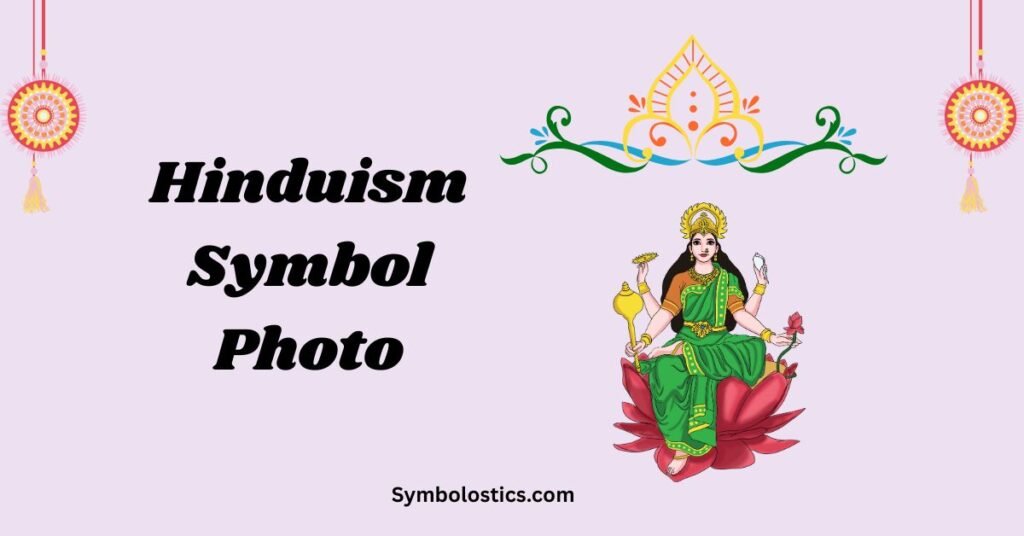
- Sacred Om 🕉 symbol
- Lotus flower symbol
- Trishul of Lord Shiva
- Sri Yantra geometric design
- Swastika for prosperity
- Kalasha sacred pot
- Tilaka and Bindi marks
- Garuda eagle symbol
- Temple Gopuram carvings
- Shatkona six-pointed star
Hindu Symbols of Protection
- Om 🕉
- Trishul
- Sudarshan Chakra
- Sri Yantra
- Swastika
- Rudraksha
- Tilaka
- Hanuman Symbol
- Nandi Bull
- Kalasha
- Lotus Flower
- Shiva Lingam
- Garuda
- Conch Shell
- Ganesha Symbol
- Shatkona
- Durga Symbol
- Snake or Naga
- Peepal Tree Symbol
- Third Eye of Shiva
Om Hindu Symbol Meaning
The Om symbol 🕉 is the most sacred and powerful symbol in Hinduism. It represents the sound of the universe and the connection between the mind, body, and spirit. Hindus believe creation itself began with the vibration of Om.
Om is often chanted during meditation, yoga, and prayer because it creates peace and spiritual awareness. The symbol also represents the three states of consciousness: waking, dreaming, and deep sleep.
Hindu Symbols Text
| Symbol | Meaning |
| Om 🕉 | Universal sound |
| Lotus | Purity and enlightenment |
| Trishul | Power and balance |
| Swastika | Good fortune |
| Sri Yantra | Cosmic energy |
| Kalasha | Abundance |
| Tilaka | Spiritual focus |
| Cow | Compassion |
| Chakra | Divine protection |
| Garuda | Freedom |
24 Powerful Hindu Symbols
Hinduism includes many sacred symbols that reflect spirituality, protection, wisdom, and cosmic balance. These symbols are used in rituals, meditation, temples, festivals, and sacred artwork throughout India and beyond.
Some symbols are connected to specific Hindu gods, while others represent universal truths like karma, life energy, prosperity, and enlightenment. Together, they form an important part of Hindu identity and culture.
Om 🕉
Om is considered the sound of creation and the most sacred symbol in Hinduism. It represents divine consciousness and spiritual awakening.
Lotus Flower
The lotus symbolizes purity, beauty, and enlightenment. It grows in muddy water yet blooms perfectly clean.
Trishul
Lord Shiva’s trident represents creation, preservation, and destruction. It also symbolizes spiritual power and balance.
Swastika
The Hindu swastika stands for prosperity, positivity, and good fortune. It is an ancient sacred symbol unrelated to modern misuse.
Sri Yantra
This geometric symbol represents cosmic energy and divine harmony. It is used in meditation and spiritual practices.
Chakra
The chakra symbolizes energy flow, spiritual strength, and protection. It is linked with Vishnu’s Sudarshan Chakra.
Shiva Lingam
The Lingam represents divine creation and Lord Shiva’s infinite energy. It is worshipped in temples across India.
Nandi Bull
Nandi symbolizes strength, loyalty, and devotion to Lord Shiva. It sits facing Shiva temples.
Kalasha
The Kalasha pot represents abundance, purity, and blessings. It is used during Hindu ceremonies and festivals.
Tilaka
Tilaka marks spiritual identity and devotion. It is worn on the forehead during prayers and rituals.
Bindi
The Bindi represents wisdom and the third eye. It is commonly worn by Hindu women.
Conch Shell
The conch shell symbolizes victory, purity, and sacred sound vibrations used in worship.
Garuda
Garuda represents protection, freedom, and courage. He is known as the divine vehicle of Lord Vishnu.
Cow Symbol
The cow represents motherhood, compassion, and non-violence in Hindu culture.
Peepal Tree
This sacred tree symbolizes spiritual wisdom and eternal life.
Rudraksha
Rudraksha beads are associated with Lord Shiva and are believed to provide spiritual protection.
Third Eye
Shiva’s third eye symbolizes higher awareness and destruction of evil.
Snake or Naga
Snakes symbolize power, rebirth, and spiritual energy.
Gopuram
Temple gateways represent the entrance from the physical world into the spiritual world.
Shatkona
The six-pointed star represents the union of male and female divine energies.
Trikona
The triangle symbolizes energy, balance, and sacred feminine power.
Diya Lamp
The diya represents light overcoming darkness and ignorance.
Veena
The veena symbolizes wisdom, music, and creativity connected to Goddess Saraswati.
Bow and Arrow
This symbol represents focus, courage, and righteousness linked with Lord Rama.
What is the Hinduism Symbol
| Hindu Symbol | Spiritual Representation |
| Om | Universal consciousness |
| Lotus | Spiritual awakening |
| Trishul | Divine power |
| Kalasha | Prosperity |
| Garuda | Protection |
| Cow | Compassion |
| Chakra | Cosmic energy |
| Tilaka | Faith |
| Sri Yantra | Harmony |
| Conch | Sacred sound |
Hindu Symbol for Love
- Lotus flower
- Radha Krishna symbol
- Heart-shaped Rangoli
- Peacock feather
- Rose garlands
- Sri Yantra
- Shiva-Parvati image
- Red Bindi
- Sacred flame
- Tulsi plant
The Sri Yantra
The Sri Yantra is one of the most powerful geometric symbols in Hinduism. It consists of interlocking triangles that represent the union of masculine and feminine divine energies.
People use the Sri Yantra during meditation and worship to attract peace, prosperity, spiritual balance, and positive energy into their lives.
The Tilaka and Bindi
| Symbol | Meaning |
| Tilaka | Spiritual devotion |
| Red Bindi | Marriage and energy |
| White Tilaka | Purity |
| Sandal Tilaka | Peace |
| Kumkum Mark | Blessings |
| Tripundra | Shiva worship |
| Urdhva Pundra | Vishnu devotion |
The Kalasha
The Kalasha is a sacred pot filled with water and topped with mango leaves and a coconut. It symbolizes abundance, purity, prosperity, and divine blessings during Hindu rituals and ceremonies.
Garuda: Freedom and Protection
Garuda is the eagle-like divine being who serves as the vehicle of Lord Vishnu. He represents freedom, strength, courage, and protection from negative energies and evil forces.
Sacred Temple Bells
Temple bells symbolize purity and spiritual awakening. Their sound is believed to remove negative thoughts and invite divine energy.
The Diya Lamp
The diya lamp represents light, wisdom, and hope. Hindus light diyas during festivals and prayers to remove darkness.
Rudraksha Beads
Rudraksha beads are linked with Lord Shiva and are used for meditation, peace, and spiritual protection.
Mahakala or ‘Great Time’
- Symbol of Lord Shiva
- Represents time and death
- Destroys negativity
- Protects devotees
- Symbol of transformation
- Connected with cosmic power
- Represents eternity
- Used in Tantric worship
- Symbol of fearlessness
- Powerful guardian deity
‘Go’ or Cow
| Cow Symbolism | Meaning |
| Motherhood | Care and love |
| Prosperity | Wealth and abundance |
| Compassion | Kindness |
| Non-violence | Ahimsa |
| Sacred life | Divine respect |
| Nourishment | Protection |
‘Shatkona’ or Six-pointed Star
- Divine union
- Shiva and Shakti
- Cosmic balance
- Spiritual harmony
- Protection energy
- Meditation symbol
- Universal connection
- Male-female unity
- Sacred geometry
- Wisdom
- Peace
- Strength
- Divine creation
- Inner balance
- Energy flow
- Spiritual focus
- Higher consciousness
- Enlightenment
- Cosmic order
- Purity
The ‘Gopura’ or ‘Gopuram’ (Temple Gateways)
Gopurams are the large decorated gateways found at Hindu temples, especially in South India. They symbolize the entrance from the earthly world into the spiritual and divine realm.
These temple towers are covered with carvings of gods, goddesses, animals, and sacred stories. They represent devotion, protection, and the greatness of Hindu architecture.
The ‘Trikona’ or Triangle
| Triangle Direction | Meaning |
| Upward Triangle | Masculine energy |
| Downward Triangle | Feminine energy |
| Interlocked Triangle | Cosmic union |
| Red Triangle | Shakti power |
| White Triangle | Purity |
| Golden Triangle | Divine wisdom |
Frequently Asked Questions
What does the Hinduism symbol represent?
Hindu symbols represent spiritual ideas such as peace, protection, purity, wisdom, divine energy, and enlightenment. Different symbols carry different sacred meanings.
What is the meaning of Om 🕉?
Om represents the universal sound of creation and spiritual consciousness. It is the most sacred symbol and mantra in Hinduism.
What is the meaning of this 🕉?
The 🕉 symbol stands for divine energy, inner peace, and connection with the universe. It is used in meditation, prayer, and yoga.
What is the oldest living religion in the world?
Hinduism is widely considered one of the oldest living religions in the world, with roots going back thousands of years.
Why is the lotus important in Hinduism?
The lotus symbolizes purity, enlightenment, and spiritual awakening because it blooms beautifully even in muddy water.
What does the Trishul symbolize?
The Trishul represents power, balance, and the three forces of creation, preservation, and destruction.
Why is the cow sacred in Hinduism?
The cow symbolizes motherhood, compassion, nourishment, and non-violence in Hindu culture.
What is the purpose of Tilaka?
Tilaka is worn on the forehead as a symbol of devotion, spiritual awareness, and religious identity.
What does the Sri Yantra attract?
The Sri Yantra is believed to attract prosperity, harmony, positive energy, and spiritual balance.
Why are Hindu temple bells rung?
Temple bells are rung to remove negative thoughts and create a peaceful atmosphere for worship and meditation.
Conclusion
Hindu symbols are deeply rooted in spirituality, culture, and ancient wisdom. Each symbol like Om 🕉, the lotus, Trishul, Sri Yantra, and Kalasha carries powerful meanings connected to peace, protection, prosperity, and divine energy. These sacred signs are not just religious images but reflections of life, balance, and universal truth. Understanding Hindu symbols helps people connect with inner spirituality and appreciate one of the world’s oldest traditions. Whether used in meditation, rituals, or daily life, they continue to inspire faith, positivity, and harmony across generations and cultures around the world today.