Purple Hyacinth Symbolism: Spiritual Meaning, Culture & Hidden Messages
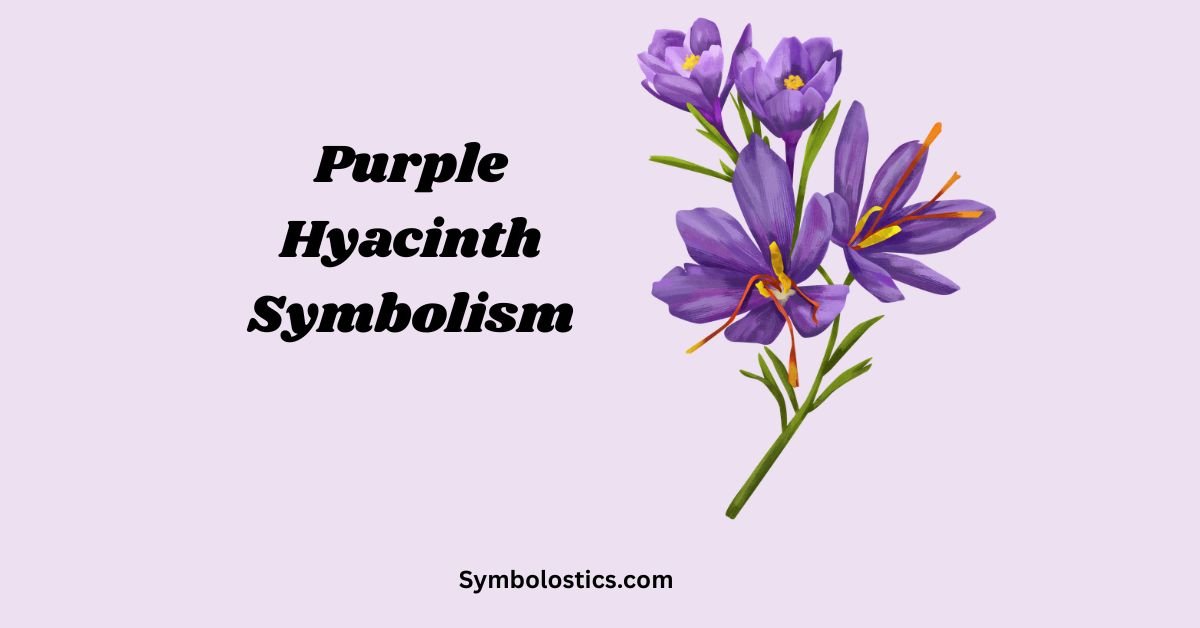
Among the most emotionally layered flowers in symbolic history, the purple hyacinth stands out as a bloom of intensity, memory, sorrow, spirituality, and rebirth. Unlike many ornamental flowers valued only for beauty, the hyacinth carries a narrative shaped by mythology, religion, psychology, and cultural storytelling across centuries.
The purple hyacinth symbolism is not simple—it blends themes of grief and forgiveness, spiritual awakening and emotional depth, love and regret, and even transformation through suffering. Its rich violet hue intensifies its meaning, connecting it to higher consciousness, mysticism, and introspection.
In symbolic interpretation systems, flowers act as emotional “codes” of human experience. The purple hyacinth is one of the strongest examples of this phenomenon, appearing in myths of Ancient Greece, Christian traditions, European folklore, and modern dream psychology.
Featured Snippet: What Does Purple Hyacinth Symbolize?
The purple hyacinth symbolizes deep sorrow, remembrance, forgiveness, spiritual awakening, and rebirth. It is often associated with emotional healing after loss, the power of memory, and transformation through pain. In spiritual contexts, it represents connection to higher consciousness and inner reflection.
Botanical Identity and Scientific Overview of Hyacinth
Before interpreting symbolism, it is important to understand the flower itself.
The hyacinth (Hyacinthus orientalis) is a fragrant perennial bulb plant native to the eastern Mediterranean region. It belongs to the Asparagaceae family and blooms in dense clusters of star-shaped flowers during spring.
Scientific Life Cycle Overview
- Bulb Stage (Dormancy): The plant stores energy underground during winter.
- Sprouting Phase: Roots form and shoots emerge in early spring.
- Blooming Phase: Vibrant flowers appear in clusters, often purple, pink, or blue.
- Fading Phase: Flowers wilt, but the bulb remains alive for regeneration.
This cycle itself symbolizes death, transformation, and rebirth, forming the foundation of its spiritual meaning.
Spiritual Meaning of Purple Hyacinth
The spiritual symbolism of purple hyacinth is deeply tied to emotional purification and soul-level transformation.
Spiritual Awakening
Purple is strongly connected to the crown chakra, representing higher consciousness and divine awareness. The purple hyacinth is often seen as a flower of spiritual awakening, encouraging inner reflection and enlightenment.
Emotional Release
It symbolizes the process of releasing emotional burdens, especially grief and unresolved pain. Many spiritual traditions associate it with “cleansing sorrow.”
Transformation Through Pain
The flower reflects the idea that suffering is not meaningless—it becomes a gateway to spiritual growth.
Connection to the Divine
In metaphysical symbolism, the hyacinth is considered a bridge between the physical and spiritual worlds.
Cultural Symbolism of Purple Hyacinth
Native American Interpretation
While hyacinths are not traditionally native to North America, modern interpretations in Native symbolism frameworks associate purple hyacinth with:
- Emotional healing after trauma
- Respect for memory and ancestors
- Spiritual transition between life stages
It is often aligned with the idea that flowers represent messages from the spirit world.
Ancient Egyptian Symbolism
In Egyptian symbolic thought, flowers were associated with rebirth and the afterlife. The purple hyacinth aligns with:
- Resurrection themes
- Transition into the afterlife
- Spiritual purification
Its cyclical growth mirrors the Egyptian belief in eternal life.
Christian Symbolism
In Christian traditions, purple is a color of penitence and reflection.
The purple hyacinth symbolizes:
- Sorrow and repentance
- Forgiveness
- Christ-like suffering
- Spiritual renewal after grief
It is often associated with Lent and periods of spiritual reflection.
European Folklore
In European mythology and folklore, hyacinths are strongly tied to the Greek myth of Hyacinthus.
Key meanings include:
- Mourning and tragic love
- Transformation through grief
- Memory of lost loved ones
- Beauty emerging from tragedy
Purple variations intensify the theme of emotional depth and remembrance.
Psychological Interpretation of Purple Hyacinth Symbolism
From a psychological perspective, flowers often reflect unconscious emotional states.
Emotional Memory Encoding
The purple hyacinth represents stored emotional memory—especially unresolved grief or nostalgia.
Healing Through Awareness
Seeing or dreaming of hyacinths may indicate the mind processing emotional wounds.
What Does the Sun Symbolize in This Context?
In psychological symbolism systems, the sun represents:
- Conscious awareness
- Clarity and truth
- Healing energy
- Rational understanding
When paired symbolically with purple hyacinth (emotional depth), the sun represents the balance between emotional grief (hyacinth) and conscious healing (sunlight).
This duality suggests psychological integration—bringing unconscious pain into awareness for healing.
Dream Meaning of Purple Hyacinth
Dreams involving purple hyacinth carry strong emotional and spiritual messages.
Seeing Purple Hyacinth in Bloom
- Emotional healing is beginning
- A period of spiritual growth
- Positive transformation after sadness
Receiving Purple Hyacinths
- Someone is remembering you
- Emotional apology or forgiveness is needed
- Connection with past relationships
Wilted Purple Hyacinth
- Unresolved grief
- Emotional stagnation
- Need for closure
Planting Hyacinth Bulbs
- Beginning of emotional recovery
- Preparing for future growth
- Spiritual rebirth process
Walking Through a Field of Hyacinths
- Deep subconscious healing
- Overwhelming emotional processing
- Spiritual awakening journey
Biblical Meaning of Purple Hyacinth
Although hyacinths are not directly mentioned in the Bible, symbolic interpretation aligns them with biblical themes.
Repentance and Sorrow
Purple reflects penitence, often associated with spiritual mourning and reflection.
Renewal of Spirit
The flower’s life cycle mirrors biblical resurrection themes—death followed by renewal.
God’s Mercy and Forgiveness
Hyacinth symbolism connects to divine forgiveness after suffering.
Beauty in Creation
Represents the idea that all creation reflects divine beauty, even through decay and rebirth.
Good or Bad Omen Analysis
Positive Omen
- Emotional healing is near
- Spiritual awakening is unfolding
- Forgiveness or reconciliation is coming
- Transformation after hardship
Negative Omen
- Unresolved grief
- Emotional attachment to the past
- Warning of emotional stagnation
- Need for inner healing work
Overall, purple hyacinth is more of a transformational omen rather than strictly good or bad.
Spirit Animal Meaning (Symbolic Association)
Although flowers are not spirit animals, symbolic systems sometimes pair them with archetypal energies.
The purple hyacinth aligns with:
- Owl: wisdom through darkness
- Deer: emotional sensitivity and gentleness
- Butterfly: transformation and rebirth
These archetypes reflect emotional healing and spiritual awakening.
Tattoo Symbolism of Purple Hyacinth
Purple hyacinth tattoos are deeply meaningful and often chosen for personal storytelling.
Common Tattoo Meanings
- Memory of a lost loved one
- Healing from emotional trauma
- Spiritual transformation
- Forgiveness and emotional closure
- Growth through pain
Design Variations
- Single bloom (personal grief or memory)
- Clustered flowers (complex emotional history)
- Combined with names/dates (memorial tattoos)
- Paired with butterflies (rebirth symbolism)
Love & Relationship Symbolism
Purple hyacinth carries powerful romantic symbolism.
Positive Love Meanings
- Deep emotional connection
- Soul-level attachment
- Spiritual love bond
- Loyalty and emotional depth
Negative Love Meanings
- Unspoken grief in relationships
- Regret or heartbreak
- Emotional distance
- Need for forgiveness
In love symbolism, it often represents love mixed with memory and emotional intensity, not lighthearted romance.
Comparison Table: Purple Hyacinth Symbolism Across Contexts
| Context | Meaning |
| Spiritual | Awakening, healing, divine connection |
| Emotional | Grief, remembrance, forgiveness |
| Cultural | Mourning, rebirth, ancestral memory |
| Psychological | Emotional processing, subconscious healing |
| Biblical | Repentance, renewal, mercy |
| Dreams | Transformation, closure, emotional messages |
| Love | Deep attachment, heartbreak, soul connection |
| Tattoo | Memory, healing, transformation |
| Omen | Transitional (neither fully good nor bad) |
Key Symbolic Themes of Purple Hyacinth
- Memory and remembrance
- Emotional healing after loss
- Spiritual awakening and higher consciousness
- Transformation through pain
- Forgiveness and emotional release
- Deep love and emotional intensity
- Cycles of life, death, and rebirth
FAQ: Purple Hyacinth Symbolism
What does purple hyacinth symbolize spiritually?
It symbolizes spiritual awakening, emotional healing, and divine connection.
Is purple hyacinth a symbol of death?
Not directly, but it is associated with mourning and remembrance of loss.
What does purple hyacinth mean in love?
It represents deep emotional bonds, memory, and sometimes heartbreak or regret.
Is purple hyacinth good luck?
It is more of a transformation symbol than a traditional luck charm.
What does dreaming of purple hyacinth mean?
It often indicates emotional healing or unresolved feelings from the past.
What is the biblical meaning of hyacinth?
It reflects repentance, spiritual renewal, and divine forgiveness.
Why is purple hyacinth associated with sadness?
Because it symbolizes grief, memory, and emotional depth in cultural mythology.
What chakra is connected to purple hyacinth?
The crown chakra, representing spiritual awareness and enlightenment.
Is purple hyacinth a memorial flower?
Yes, it is often used to symbolize remembrance of loved ones.
What does planting hyacinth mean symbolically?
It represents emotional healing and the beginning of personal transformation.
What do purple hyacinths symbolize spiritually?
Purple hyacinths spiritually symbolize deep emotional healing, forgiveness, and awakening to higher consciousness through transformation and inner reflection.
Conclusion
The purple hyacinth flower symbolism is a profound blend of emotional, spiritual, and cultural meanings, reflecting the journey from sorrow to healing and ultimately to transformation.
Across cultures and belief systems, it consistently represents one core idea: from emotional pain comes spiritual growth and renewal.