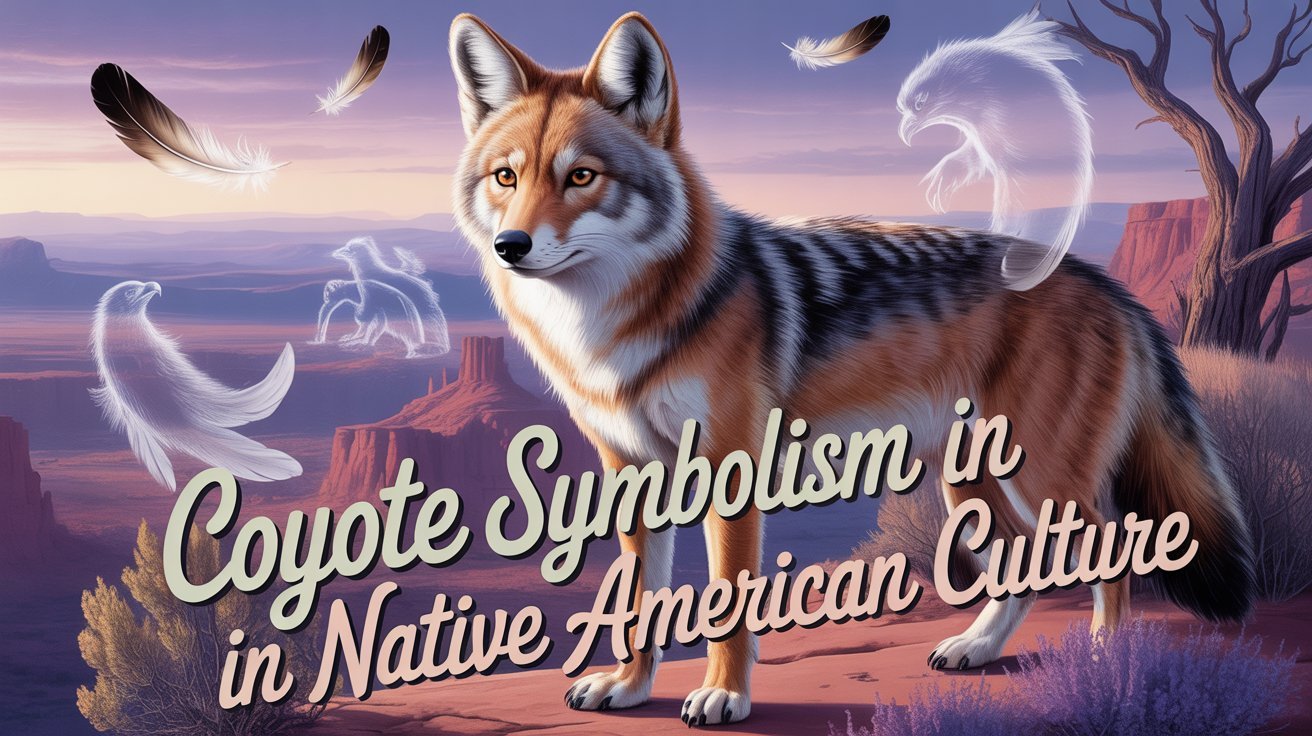
Coyote Symbolism in Native American Culture | Spiritual & Cultural Meaning
The coyote, a cunning and adaptable creature, holds a powerful place in Native American mythology. Revered and feared alike, it embodies lessons about survival, intelligence, and the balance between mischief and wisdom. Its presence in stories sparks curiosity and deeper reflection on human nature.
In many tribes, the coyote is a trickster figure, challenging norms and exposing hidden truths. Through clever antics and playful deception, it teaches the importance of resourcefulness and the consequences of overconfidence. These tales often carry moral and spiritual guidance for communities.
Beyond its mischievous side, the coyote also symbolizes transformation and adaptability. Its ability to thrive in diverse environments mirrors human resilience and the capacity for personal growth. Encountering a coyote in visions or dreams may signal the need for flexibility in life’s challenges.
Spiritually, the coyote reminds us to balance humor with responsibility. It encourages embracing both light and shadow within ourselves, acknowledging flaws without judgment. Across Native American culture, this enigmatic animal remains a potent symbol of wisdom, cunning, and life’s unpredictable journey.
Natural Traits of the Coyote
Coyotes are highly adaptable animals, thriving in forests, deserts, and even urban areas. Their keen senses of hearing and smell make them excellent hunters and survivors. This adaptability reflects their resourceful and resilient nature.
They are opportunistic feeders, consuming small mammals, birds, fruits, and insects. Coyotes often hunt alone or in small family groups, showcasing intelligence and strategic behavior. Their social structure emphasizes cooperation and flexibility.
Coyotes are known for their agility, speed, and endurance, able to cover vast distances efficiently. Their vocalizations, including yips and howls, communicate territory and social bonds. These traits highlight both their cunning and community awareness.
Coyote Symbolism in Native American Culture
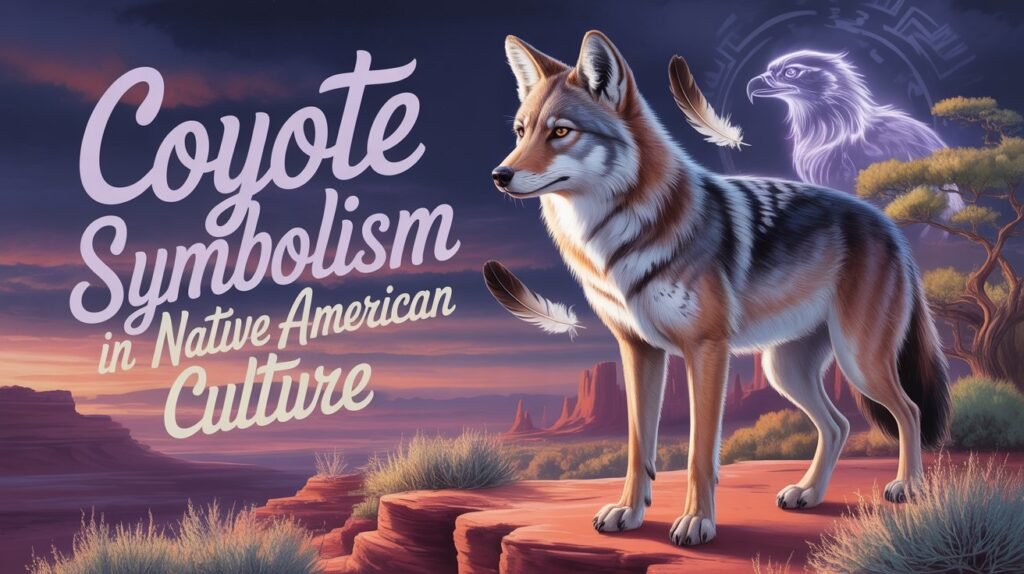
In Native American mythology, the coyote is often seen as a trickster, blending humor with wisdom. Its antics teach lessons about human behavior, morality, and the consequences of actions. Stories of the coyote encourage reflection and self-awareness.
The coyote also represents transformation and adaptability, symbolizing the ability to navigate life’s challenges. It inspires resilience and resourcefulness, reminding people to embrace change with cleverness. Its presence in folklore carries spiritual guidance and practical wisdom.
Spiritually, the coyote bridges the human and natural worlds, guiding intuition and creativity. It embodies both light and shadow, urging balance between playfulness and responsibility. Across cultures, this enigmatic animal remains a symbol of cunning, insight, and survival.
Spiritual Symbolism of the Coyote
Spiritually, the coyote represents adaptability and transformation, guiding individuals through life’s uncertainties. Its presence encourages embracing change with curiosity and cleverness. In visions and dreams, it signals resilience and resourcefulness.
The coyote also embodies the balance of light and shadow within the self. It reminds us to honor both playfulness and responsibility in our daily lives. Through this duality, it teaches wisdom gained from experience and reflection.
Additionally, the coyote serves as a messenger and teacher in spiritual journeys. It inspires intuition, creativity, and problem-solving through unconventional means. Across Native American traditions, it remains a potent guide for personal growth and self-discovery.
Coyote in Native American Folklore
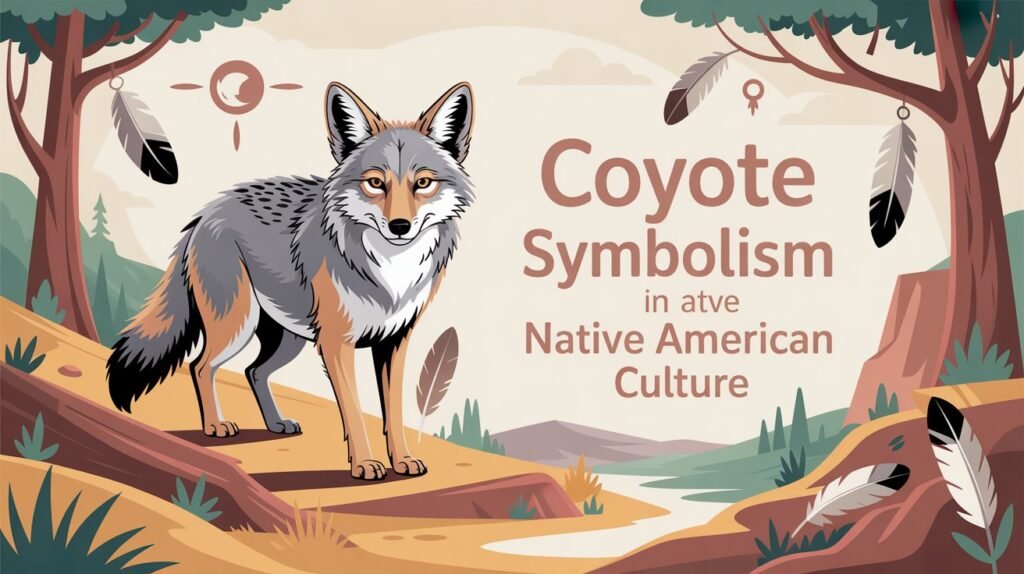
- Often portrayed as a trickster, using cleverness and humor to teach moral lessons.
- Stories highlight the coyote’s role in creation myths, shaping the world and humanity.
- Acts as a teacher, showing the consequences of pride, greed, or foolishness.
- Sometimes depicted as a helper or guide, bringing knowledge and survival skills to humans.
- Symbolizes balance between chaos and order, reflecting life’s unpredictability.
- Its antics encourage self-reflection, inviting listeners to learn from mistakes.
- Appears in dreams and rituals, connecting people to spiritual insight and guidance.
Coyote Symbolism in Dreams
Seeing a coyote in dreams often signifies adaptability and cunning, urging you to navigate challenges with intelligence. It may highlight areas where clever thinking or strategy is needed.
Dreams of coyotes can also reflect the trickster aspect of life, pointing to hidden motives, deception, or unexpected changes. They encourage awareness and discernment in your choices.
Spiritually, a coyote in a dream may serve as a guide for personal growth, reminding you to balance humor, intuition, and responsibility. It signals transformation and the need to embrace life’s unpredictable path.
Coyote Symbolism in Art & Tattoos
In art, the coyote is often depicted as a trickster and storyteller, symbolizing cleverness and adaptability. Artists use its image to convey lessons about life’s unpredictability and human behavior.
Coyote tattoos are popular for those seeking personal transformation and resilience, reflecting adaptability and survival instincts. They serve as reminders to embrace both playfulness and responsibility in life.
The coyote also represents spiritual guidance and intuition, making it a meaningful motif in creative expression. Its portrayal often combines realism and symbolic elements to highlight wisdom and cunning.
Coyote Symbolism by Color
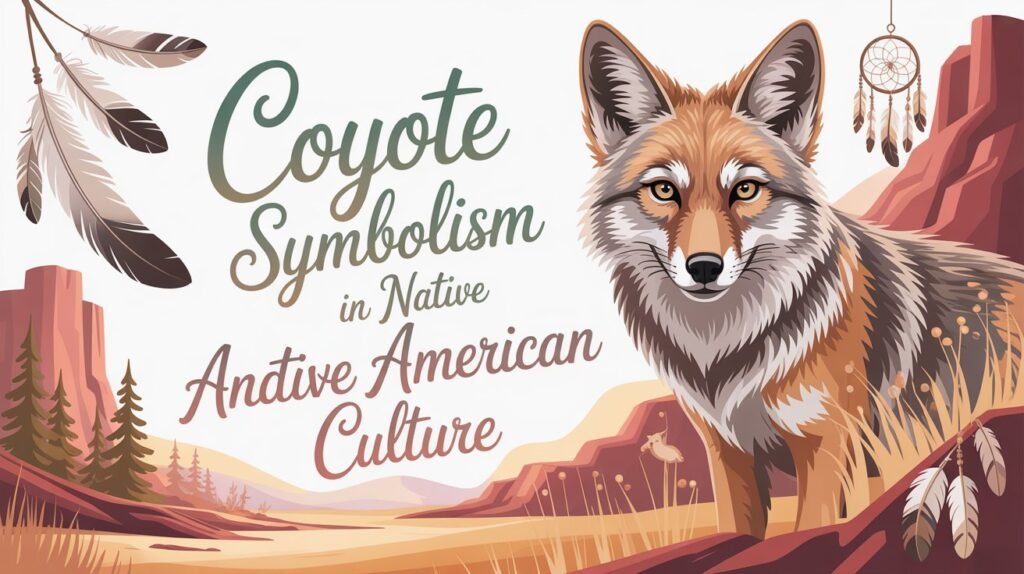
Gray Coyote: Represents balance, neutrality, and adaptability. Gray coyotes in stories often symbolize wisdom gained through experience and careful observation.
Red Coyote: Signifies passion, energy, and assertiveness. In folklore, red coyotes are linked to action, courage, and confronting challenges head-on.
White Coyote: Embodies purity, spiritual guidance, and transformation. A white coyote may appear in dreams or visions as a messenger of clarity and higher consciousness.
Coyote Symbolism in Modern Culture
In modern literature and media, the coyote often appears as a clever, adaptable character, reflecting trickster qualities in contemporary storytelling. It symbolizes wit, strategy, and playful cunning.
Coyotes have become popular in pop culture and branding, representing resilience, independence, and survival in challenging environments. Their image resonates with those valuing resourcefulness and adaptability.
In spiritual and tattoo communities, the coyote symbolizes personal growth and transformation, bridging traditional folklore with modern self-expression. It continues to inspire creativity, intuition, and life lessons today.
Life Lessons from Coyote Symbolism
The coyote teaches the importance of adaptability and resilience, showing how to navigate life’s challenges with cleverness and flexibility. Its survival instincts inspire practical problem-solving.
It reminds us of the value of humor and playfulness, even in serious situations. Embracing joy and wit can reveal hidden solutions and ease difficult moments.
The coyote also encourages self-awareness and balance, highlighting the need to recognize both light and shadow within ourselves. Its stories guide personal growth and thoughtful decision-making.
FAQs on Coyote Symbolism in Native American Culture
What does the coyote symbolize in Native American culture?
The coyote often represents a trickster, teaching lessons about cleverness, adaptability, and the balance between humor and wisdom.
Why is the coyote considered a trickster?
Its stories show mischief and cunning, revealing hidden truths and encouraging self-awareness and moral reflection.
What spiritual meaning does a coyote hold?
Spiritually, the coyote symbolizes transformation, intuition, resilience, and guidance through life’s unpredictable challenges.
What does it mean to see a coyote in a dream?
Seeing a coyote in dreams often signals adaptability, clever problem-solving, and awareness of deception or hidden motives.
Why do people get coyote tattoos?
Coyote tattoos symbolize resilience, transformation, adaptability, and personal growth, blending traditional folklore with modern self-expression.
How is the coyote portrayed in modern culture?
In literature, media, and pop culture, coyotes represent wit, survival instincts, independence, and cleverness in contemporary storytelling.
What life lessons can we learn from coyotes?
Coyotes teach adaptability, resourcefulness, humor, self-awareness, and the importance of balancing light and shadow in life.
Do different coyote colors have symbolic meanings?
Yes—gray symbolizes balance, red signifies courage, and white represents purity, spiritual guidance, and transformation.
Can coyote symbolism guide personal growth?
Absolutely. Its stories and spiritual lessons inspire introspection, resilience, creativity, and thoughtful decision-making.
Are coyotes considered sacred in Native American traditions?
Yes, many tribes view coyotes as sacred messengers and teachers, connecting humans to spiritual insight and natural wisdom.
Conclusion
Coyote symbolism offers a rich tapestry of lessons in wisdom, adaptability, and survival. Its presence in folklore bridges human experience with spiritual guidance.
Through its trickster stories, the coyote teaches the value of humor, cleverness, and self-awareness. It reminds us that life’s challenges can be navigated with intelligence and flexibility.
Spiritually, the coyote encourages balance between light and shadow within ourselves, guiding personal growth, transformation, and intuition. Its symbolism resonates across dreams, tattoos, and modern culture alike.
Ultimately, the coyote remains a timeless figure of cunning, resilience, and life’s unpredictable journey, offering insight and inspiration for those who observe and reflect.