Symbolism of Betrayal Tattoo: Meaning, Culture & Deep Interpretation
A betrayal tattoo is never just body art… Many people choose betrayal tattoo symbols to express heartbreak, broken trust, and emotional transformation.
Across cultures and belief systems, betrayal is not only a human experience but also a spiritual lesson. It appears in myths, religious narratives, folklore, and psychological archetypes. That is why betrayal tattoos often carry layered meanings—ranging from grief and revenge to forgiveness and rebirth.
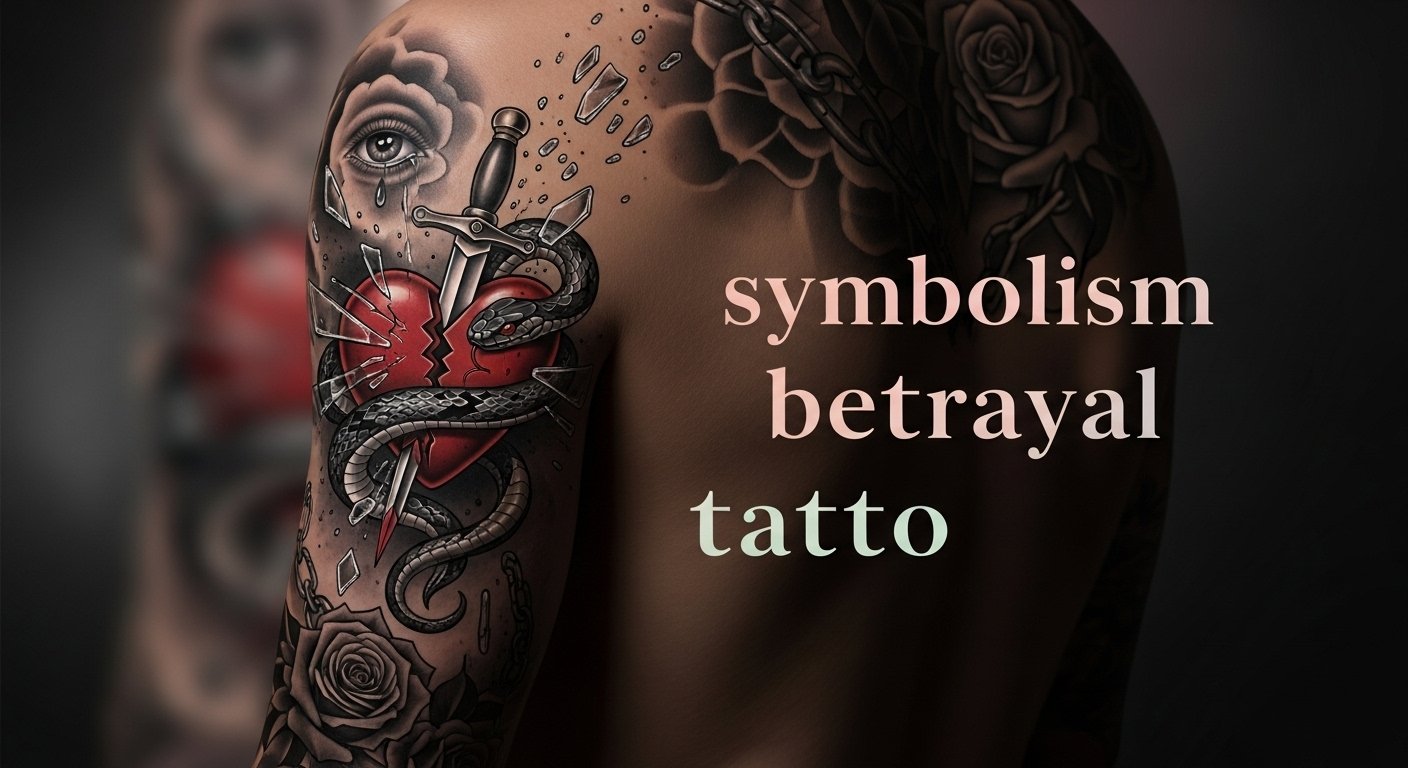
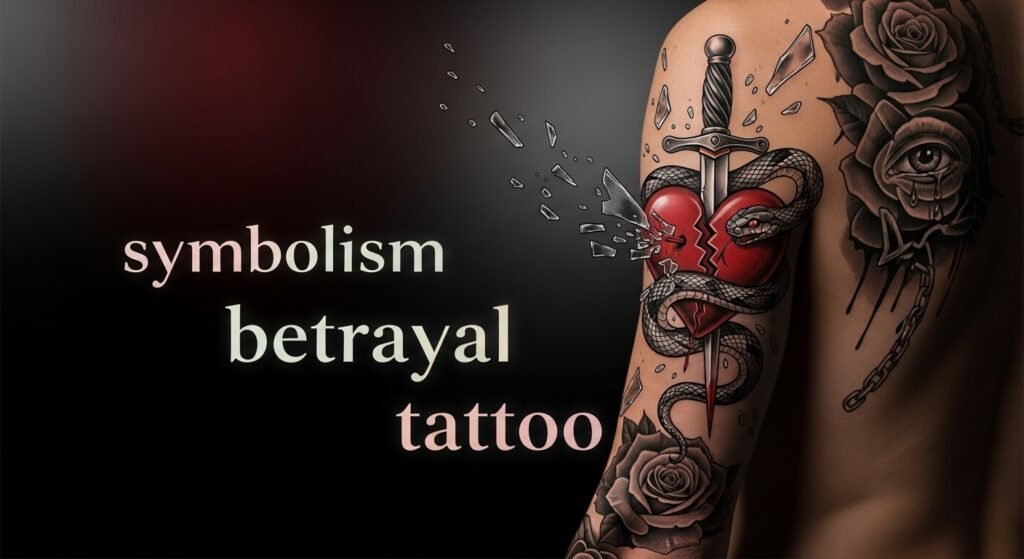
These tattoos may include symbols such as broken hearts, daggers, snakes, thorns, shattered mirrors, crying eyes, or Roman-inspired betrayal imagery like “Brutus stabbing Caesar” symbolism. Each design speaks a silent language of emotional truth.
Definition: What Is a Betrayal Tattoo? (Featured Snippet Optimized)
A betrayal tattoo is a symbolic body art design that represents emotional pain caused by disloyalty, heartbreak, broken trust, or personal betrayal. It often features imagery such as broken hearts, daggers, snakes, or shattered objects, symbolizing emotional wounds, loss of trust, and personal transformation after betrayal.
Spiritual Meaning of Betrayal Tattoos
Spiritually, betrayal is viewed as a soul-level awakening. Many belief systems suggest that betrayal is not accidental—it is part of karmic growth or soul evolution.
Key Spiritual Interpretations:
- Karmic Lesson: Betrayal is seen as a soul contract that teaches boundaries and emotional wisdom.
- Energy Cleansing: Tattoos symbolize release of toxic emotional energy.
- Transformation: Pain becomes a gateway to spiritual awakening.
- Shadow Work: Confronting hidden emotional wounds.
In spiritual healing traditions, symbols like daggers or broken chains represent cutting karmic ties. A betrayal tattoo may serve as a permanent reminder that the soul has survived emotional destruction and evolved beyond it.
Cultural Symbolism of Betrayal
Betrayal is a universal theme found in nearly every culture. The symbolism varies but often carries themes of loyalty, punishment, sacrifice, and moral consequence.
Native American Symbolism
In many Native American traditions, betrayal is linked with imbalance in spiritual harmony.
- Snake symbolism: Sometimes represents betrayal due to hidden danger.
- Broken circle motifs: Loss of unity or trust within a tribe or family.
- Feather imagery: A fallen feather can symbolize lost honor or broken promise.
However, interpretations vary widely between tribes, and betrayal is often seen as a lesson in restoring harmony rather than punishment.
Egyptian Symbolism
Ancient Egyptian culture often associated betrayal with divine judgment.
- Ankh distortion: Broken life symbols represent disrupted spiritual continuity.
- Eye of Horus inversion: Loss of protection or spiritual betrayal.
- Scarab imagery: Transformation after moral collapse.
Betrayal in Egyptian symbolism often leads to rebirth through divine justice.
Christian Symbolism
Christian tradition is one of the most influential in betrayal symbolism.
- Judas Iscariot: The ultimate symbol of betrayal against Jesus.
- 30 pieces of silver: Symbol of greed-driven betrayal.
- Cross imagery: Sacrifice and forgiveness after betrayal.
In Christianity, betrayal is both a sin and a lesson in forgiveness and divine mercy.
European Folklore
European myths often portray betrayal as tragic destiny.
- Broken swords: Fallen honor or betrayal in battle.
- Black ravens: Omen of betrayal or death.
- Poisoned chalices: Hidden betrayal in trust or friendship.
Shakespearean literature also heavily influences betrayal symbolism, especially themes of political and romantic betrayal.
Psychological Interpretation of Betrayal Tattoos
From a psychological perspective, betrayal tattoos serve as emotional processing tools.
What they represent psychologically:
- Emotional trauma processing
- Identity reconstruction after heartbreak
- Control over painful memories
- Externalization of inner suffering
What does the sun symbolize in this context?
Interestingly, the sun is often used in tattoos that contrast betrayal symbolism.
Psychologically, the sun represents:
- Hope after emotional darkness
- Conscious awareness after deception
- Inner strength and resilience
- Healing after psychological trauma
When combined with betrayal imagery (like a dark sun or eclipsed sun), it reflects emotional conflict—pain vs healing, darkness vs enlightenment.
Scientific & Life Cycle Explanation of Betrayal Symbolism
From a biological and psychological science perspective, betrayal activates the brain similarly to physical pain.
Key Scientific Insights:
- Social rejection activates the anterior cingulate cortex, the same area that processes physical pain.
- Emotional trauma can trigger stress hormones like cortisol.
- Long-term betrayal experiences may lead to emotional conditioning or PTSD-like responses.
Life cycle analogy:
Betrayal symbolism often mirrors natural cycles:
- Trust phase (growth)
- Betrayal event (collapse)
- Emotional decay (grief)
- **Healing phase (adaptation)
- Rebirth (renewed identity)
This is why tattoos often include phoenixes, broken chains, or rebirth imagery.
Dream Meanings of Betrayal Symbols
Dreams involving betrayal symbols are common during emotional distress.
Dream of Being Betrayed
- Indicates fear of abandonment
- Emotional insecurity in relationships
Dream of Betraying Someone
- Inner guilt or unresolved conflict
- Suppressed anger or resentment
Dream of Broken Heart Tattoo
- Emotional healing process beginning
- Subconscious grief release
Dream of Daggers or Stabbing
- Feeling emotionally attacked
- Psychological defense mechanisms activated
Dream of Snakes
- Hidden threats or deceit
- Warning from subconscious mind
Biblical Meaning of Betrayal Tattoos
In the Bible, betrayal is strongly associated with moral testing and forgiveness.
Key references:
- Judas Iscariot’s betrayal of Jesus
- Peter’s denial of Christ
- Cain and Abel story (first betrayal/violence narrative)
Symbolic meaning:
- Human imperfection
- Moral weakness
- Redemption through forgiveness
- Spiritual testing of faith
A betrayal tattoo in biblical interpretation can represent repentance, survival of emotional trials, or awareness of human vulnerability.
Good or Bad Omen? Betrayal Tattoo Meaning
Betrayal tattoos are neither strictly good nor bad omens. Their meaning depends on intention.
As a good omen:
- Healing after trauma
- Emotional empowerment
- Transformation into strength
- Closure and acceptance
As a bad omen:
- Emotional fixation on pain
- Unresolved trauma
- Symbol of ongoing bitterness
Ultimately, the tattoo reflects the wearer’s emotional state more than external destiny.
Spirit Animal Meaning Related to Betrayal
Certain spirit animals are strongly linked to betrayal symbolism.
Snake
- Hidden danger
- Transformation after betrayal
- Wisdom gained through pain
Raven
- Trickery or unseen truth
- Messenger of change
- Emotional awakening
Wolf (betrayed wolf symbolism)
- Broken pack loyalty
- Emotional isolation
- Survival instinct after loss
Owl
- Seeing hidden truths
- Wisdom after deception
These spirit animals often represent emotional intelligence gained after betrayal.
Tattoos That Symbolize Betrayal
Many people search for tattoos that symbolize betrayal as a way to express emotional pain, broken trust, survival, or personal transformation. These tattoo designs often carry deep psychological and spiritual meaning.
Common betrayal tattoo symbols include:
- Broken heart tattoos — symbolize heartbreak, emotional loss, and shattered trust.
- Daggers or knives — represent emotional wounds, backstabbing, or sudden betrayal.
- Snake tattoos — associated with deception, hidden danger, and false loyalty.
- Shattered mirrors — symbolize identity loss and emotional fragmentation after betrayal.
- Black roses — represent grief, lost love, and emotional endings.
- Chains breaking — symbolize freedom from toxic relationships or betrayal trauma.
- Crying eye tattoos — reflect emotional pain, sadness, and healing.
- Raven symbolism — represents hidden truth, warning, and emotional awakening.
- Phoenix tattoos — symbolize rebirth and rising stronger after betrayal.
- Roman betrayal imagery — inspired by Brutus and Caesar symbolism, representing betrayal by someone trusted.
These tattoos can represent revenge, healing, emotional survival, or spiritual growth depending on the wearer’s intention.
Tattoo Symbolism of Betrayal Designs
Betrayal tattoos are deeply expressive and often highly personalized.
Popular designs:
- Broken heart with dagger
- Crying eye tattoo
- Snake wrapped around heart
- Shattered mirror
- Roman betrayal imagery
- Black rose symbolism
- Chains breaking
Meaning behind tattoo placement:
- Chest: Emotional pain or heartbreak
- Arm: Strength through betrayal
- Back: Hidden emotional wounds
- Neck: Vulnerability and truth
These tattoos are often used as emotional armor, reminding the wearer of resilience.
Love & Relationship Symbolism of Betrayal Tattoos
In relationships, betrayal tattoos symbolize both loss and transformation.
Positive interpretations:
- Emotional boundaries
- Learning self-worth
- Healing after heartbreak
- Moving forward from toxic love
Negative interpretations:
- Emotional scars from infidelity
- Trust issues
- Fear of attachment
Many people choose such tattoos after breakups or emotional betrayals as a form of closure.
Comparison Table: Betrayal Tattoo Symbol Meanings
| Symbol | Meaning | Emotional Context |
| Broken Heart | Emotional loss | Heartbreak, grief |
| Dagger | Betrayal & pain | Sudden emotional shock |
| Snake | Deception | Hidden betrayal |
| Shattered Mirror | Identity collapse | Self-reflection after trauma |
| Raven | Truth & warning | Emotional awakening |
| Chains Breaking | Freedom | Recovery from toxic bond |
| Crying Eye | Emotional release | Deep sadness & healing |
| Black Rose | Lost love | End of relationship |
FAQ: Betrayal Tattoo Symbolism
What does a betrayal tattoo mean?
It symbolizes emotional pain caused by broken trust, heartbreak, or disloyalty.
Are betrayal tattoos negative?
Not necessarily—they can represent healing and emotional strength.
What is the most common betrayal tattoo symbol?
Broken hearts and daggers are the most common designs.
What animal represents betrayal?
Snakes are the most widely recognized symbol of betrayal.
Can betrayal tattoos represent healing?
Yes, many people use them to symbolize recovery and growth.
What does a broken heart tattoo mean?
It represents emotional pain, loss, or relationship failure.
Are betrayal tattoos spiritual?
Yes, they often represent karmic lessons and soul growth.
What does a dagger tattoo mean in betrayal symbolism?
It represents emotional wounds and sudden betrayal.
Is a betrayal tattoo a bad omen?
No, its meaning depends on personal interpretation.
Why do people get betrayal tattoos?
To express emotional pain, healing, and transformation.
What are common betrayal symbol tattoos?
Common betrayal symbol tattoos include snakes, broken hearts, daggers, ravens, shattered mirrors, and broken chains. These symbols represent deception, emotional pain, healing, and transformation after betrayal.
Conclusion
Betrayal tattoos are more than ink—they are emotional maps of human experience. They reflect pain, healing, transformation, and identity reconstruction. Whether viewed through spiritual, psychological, cultural, or biblical lenses, betrayal symbolism consistently represents one universal truth: emotional pain can either destroy a person or transform them into something stronger.
These tattoos do not simply mark betrayal—they mark survival.