Family Symbolism | Meaning, Cultural & Spiritual Significance
Family is more than just blood relations; it represents unity, support, love, and the foundation of human connection. Across cultures, nature, spirituality, art, and dreams, symbols of family carry profound meanings, reflecting the roles, bonds, and lessons that shape our lives. Understanding these symbols can deepen our appreciation for familial relationships and their spiritual and cultural significance.
Natural Symbols Representing Family
Nature often mirrors the concept of family. Trees symbolize strength, growth, and interconnectedness, with roots representing ancestry and branches symbolizing individual family members. Animals, such as elephants, wolves, and bees, show loyalty, protection, and cooperation—reflecting family dynamics in the natural world. Even flowers, like the lotus or rose, symbolize nurturing and the cyclical nature of life within families.
Family Symbolism in Different Cultures
Celtic Culture
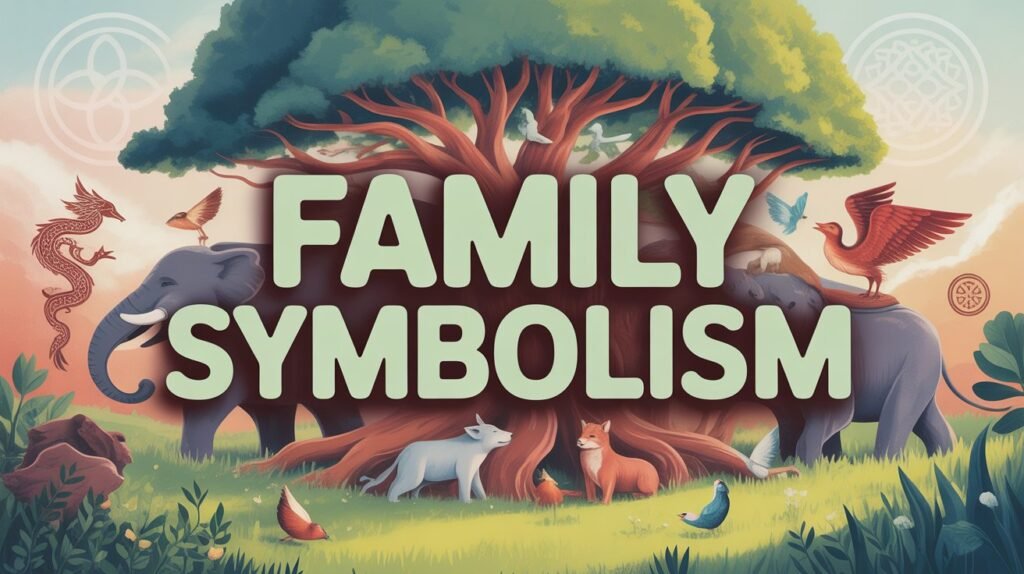
In Celtic traditions, the family tree is central. The “Crann Bethadh” or Celtic Tree of Life symbolizes harmony, balance, and the connection between generations. Knots and spirals also represent continuity and unbroken family bonds, emphasizing loyalty and ancestral wisdom.
Chinese Culture
In Chinese culture, family symbolism is deeply rooted in Confucian values. The dragon represents protection and strength, often associated with the father figure, while the phoenix symbolizes the mother and nurturing spirit. Family gatherings, ancestral veneration, and the character “家” (jiā) highlight unity and respect across generations.
Native American Traditions
Native American tribes often use animals and natural elements as family symbols. The wolf represents loyalty and strong social bonds, while the eagle embodies vision and guidance within the family. Circle motifs frequently symbolize unity, continuity, and the spiritual bond shared by family members.
African Symbolism
African cultures employ vibrant symbols to express family significance. The Adinkra symbol “Fawohodie” signifies independence and freedom, reflecting the protection and growth of the family unit. Patterns in textiles and carvings often narrate ancestry, heritage, and communal responsibility.
Spiritual Symbolism of Family
Spiritually, family symbolizes a safe haven for growth and self-discovery. It represents unconditional love, guidance, and a grounding force in life. In chakra and energy traditions, strong family bonds are believed to stabilize emotional energy and provide spiritual nourishment, fostering resilience and harmony.
Symbolism by Family Roles
Parents
Parents symbolize guidance, protection, and foundational wisdom. Fathers are often linked to strength, discipline, and provision, while mothers represent nurturing, intuition, and emotional support.
Children
Children embody innocence, hope, and the continuation of family legacy. They symbolize growth, curiosity, and the future potential of familial bonds.
Siblings
Siblings represent companionship, shared experiences, and mutual learning. They reflect both harmony and conflict, teaching lessons of cooperation, empathy, and personal boundaries.
Symbolism in Art & Literature
Artists and writers often explore family as a central theme. Portraits of families symbolize identity, lineage, and societal roles, while literature uses family dynamics to convey conflict, love, and growth. From epic sagas to modern novels, family motifs illustrate the depth of human relationships and emotional landscapes.
Family Symbolism in Tattoos
Family tattoos are a personal and visual representation of love and loyalty. Popular designs include family trees, initials, and animals like elephants or lions. Each tattoo reflects individual values, ancestry, or memorializes significant family moments.
Color Symbolism in Family
Colors convey emotions and qualities associated with family. Green symbolizes growth, harmony, and stability. Blue reflects trust, loyalty, and emotional depth, while red represents love, warmth, and protection. Combining colors in family art or décor can amplify the symbolic meaning.
Family Symbolism in Modern Culture
In modern society, family symbolism extends to media, social networks, and digital representation. Family photos, online posts, and virtual gatherings reinforce connection and collective identity. Even branding and advertising often use family imagery to evoke trust, unity, and emotional resonance.
Family Symbolism in Dreams
Dreams about family often reveal emotional states and personal relationships. Seeing family members can symbolize support, unresolved issues, or life guidance. A dream of a large gathering may reflect unity and shared joy, while conflict may highlight inner tension or the need for reconciliation.
Life Lessons from Family Symbolism
Family symbolism teaches patience, empathy, and resilience. It reminds us to honor roots while embracing growth, nurturing relationships, and balancing individual freedom with collective responsibility. Recognizing these symbols encourages gratitude, personal development, and stronger bonds with loved ones.
FAQs on Family Symbolism
What does a family tree symbolize?
It represents ancestry, growth, and the interconnectedness of all family members through generations.
Which animals are common family symbols?
Elephants, wolves, and lions often symbolize loyalty, protection, and nurturing within family units.
Why is family important in spiritual symbolism?
Family provides grounding, emotional support, and spiritual growth, fostering harmony and stability.
How is family represented in art?
Through portraits, literature, and motifs like trees or circles, art captures lineage, love, and emotional connections.
What do colors symbolize in family context?
Green stands for growth, blue for loyalty, and red for love, warmth, and protection.
How do siblings symbolize life lessons?
They teach cooperation, empathy, conflict resolution, and the importance of shared experiences.
What does dreaming of family mean?
It reflects emotional states, unresolved issues, guidance, or support from loved ones.
How is family symbolism used in modern culture?
Through media, social platforms, and branding, emphasizing unity, identity, and emotional bonds.
Can tattoos convey family symbolism?
Yes, designs like trees, initials, and symbolic animals honor ancestry, love, and loyalty.
How do cultural symbols differ globally?
Different cultures emphasize unique symbols—trees in Celtic, dragons in Chinese, animals in Native American traditions, and motifs in African art.
Conclusion
Family symbolism transcends time, culture, and medium. From natural elements and spiritual interpretations to art, tattoos, and dreams, these symbols enrich our understanding of human connection. By observing and embracing these signs, we honor our roots, nurture relationships, and gain life lessons that guide us toward love, harmony, and personal growth.