Symbolism in Beowulf: Monsters, Heroes, and Deeper Meanings
In Beowulf, monsters like Grendel, his mother, and the dragon symbolize the chaotic and destructive forces that threaten human society, representing fear, vengeance, and moral corruption. Their presence challenges the social order, emphasizing the fragile balance between civilization and the untamed world.
Beowulf himself embodies the ideal hero, showcasing strength, courage, and loyalty. His battles against these monsters reflect not only physical confrontations but also moral and spiritual struggles, highlighting the virtues admired in Anglo-Saxon culture.
Beyond action and heroism, the poem explores deeper meanings of fate, mortality, and legacy. The symbolic encounters suggest that true heroism lies in confronting both external dangers and internal ethical challenges, leaving a lasting impression on society and history.
Beowulf Himself: The Heroic Ideal
Beowulf exemplifies the heroic ideal, combining extraordinary strength with unwavering courage and loyalty to his people. His deeds reflect the Anglo-Saxon admiration for honor, bravery, and selfless service.
Facing Grendel, Grendel’s mother, and the dragon, Beowulf confronts not just physical threats but moral and societal challenges. Each victory reinforces his role as a protector and model of virtue.
Even in death, Beowulf’s legacy emphasizes the lasting impact of heroism and the importance of reputation. His life illustrates that true greatness is measured by courage, wisdom, and the good left behind.
Grendel: Evil and Chaos
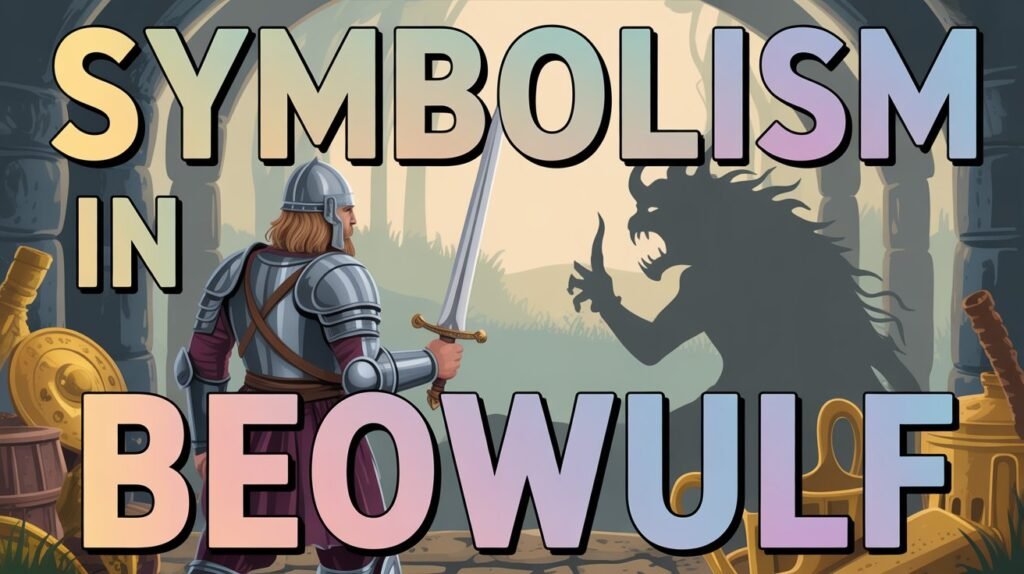
- Grendel embodies pure evil and chaos, representing the destructive forces that threaten human order and society.
- He lives on the fringes of the human world, symbolizing isolation, resentment, and the fear of the unknown.
- His attacks on Heorot reflect envy and moral corruption, disrupting joy, peace, and communal harmony.
- Grendel’s monstrous nature highlights the contrast between civilization and savagery, emphasizing the hero’s role in restoring balance.
- Defeating Grendel symbolizes the triumph of courage, order, and ethical strength over darkness and disorder.
Grendel’s Mother: Revenge and the Cycle of Violence
Grendel’s mother represents revenge and the continuation of violence, seeking to avenge her son’s death. Her actions illustrate how personal grief can escalate into broader conflict.
Living in a dark, watery lair, she symbolizes the hidden, unpredictable dangers lurking beyond human control. This setting reinforces the theme of chaos threatening societal order.
Beowulf’s battle with her highlights the moral and physical challenges heroes face, showing that true courage involves confronting not only visible threats but also the lingering consequences of past violence.
The Dragon: Greed and Mortality
The dragon in Beowulf symbolizes greed and the destructive power of material obsession. Guarding a hoard of treasure, it reflects the dangers of avarice and the human desire for wealth.
Its attack on Beowulf’s kingdom underscores the inevitability of mortality and the transient nature of life. Even the greatest heroes cannot escape the passage of time and the certainty of death.
Beowulf’s final battle with the dragon emphasizes legacy and the cost of heroism. Facing a seemingly insurmountable foe, he confronts both external danger and his own human limitations, leaving a lasting mark on his society.
Heorot Hall: Community and Civilization
| Symbolic Aspect | Meaning | Icon/Imagery |
|---|---|---|
| Physical Structure | Achievement & human craft | Grand mead-hall of Hrothgar |
| Social Hub | Community & togetherness | Warriors gathering, feasts, celebrations |
| Cultural Legacy | Civilization vs. chaos | Order, tradition, and shared stories |
| Vulnerability | Exposure to evil | Attacked by Grendel, fragile human world |
Treasure and Gold: Legacy and Mortality
In Beowulf, treasure and gold symbolize legacy, reflecting how wealth was used to honor loyalty and preserve reputation. Kings rewarded warriors with rings and riches, strengthening bonds and securing remembrance. Yet this glittering wealth also hints at the fragile nature of earthly success.
Gold carries a deeper message about mortality, reminding readers that material possessions cannot outlast human life. The dragon’s hoard, buried and unused, shows the emptiness of greed when wealth serves no community purpose. Treasure without generosity becomes a symbol of isolation and decay.
Ultimately, the poem suggests that true legacy is not measured by gold but by courage and honorable deeds. Beowulf’s final act proves that reputation, sacrifice, and storytelling endure far longer than any hoarded treasure.
The Sea: Fate and the Unknown
In Beowulf, treasure and gold symbolize both legacy and mortality, highlighting the transient nature of worldly wealth. Hoards guarded by monsters like the dragon serve as reminders that material possessions cannot protect against death or guarantee lasting honor.
Gold also represents the rewards of heroism and the recognition of societal contributions. By distributing treasure, kings like Hrothgar reinforce social bonds, reward loyalty, and celebrate achievements, linking material wealth to reputation and memory.
At the same time, the dragon’s hoard underscores human mortality and the inevitability of loss. Beowulf’s final confrontation with the dragon shows that even heroes cannot escape death, and true legacy lies not in wealth but in courage, deeds, and the stories passed down through generations.
Fire and Light: Victory and Destruction
In Beowulf, fire and light symbolize both victory and destruction, reflecting the dual nature of power. Beowulf’s battles, especially with the dragon, use fire as a force that can destroy enemies while illuminating the hero’s courage and resolve.
Fire represents the destructive consequences of greed and anger, as seen in the dragon’s fiery wrath that threatens Beowulf’s kingdom. It serves as a warning that unchecked power can consume both the innocent and the mighty.
At the same time, light signifies triumph and the restoration of order. Beowulf’s courage shines amid darkness, showing that heroism can overcome chaos, even if the cost is great and the outcome bittersweet.
Pagan vs. Christian Symbolism
In Beowulf, pagan and Christian symbolism coexist, reflecting the transitional culture of Anglo-Saxon England. Pagan elements appear in the emphasis on heroism, fate (wyrd), and warrior glory, highlighting honor, strength, and loyalty as central virtues.
Christian symbolism emerges through moral lessons, divine judgment, and references to God’s providence. Beowulf’s victories are often framed as part of a larger divine plan, suggesting that courage and righteousness align with spiritual favor.
The interplay of these traditions adds depth to the poem, showing a society negotiating between earthly valor and spiritual morality. Together, they illustrate how heroism, legacy, and ethical conduct carry both temporal and eternal significance.
Symbolism of Beowulf’s Death
Beowulf’s death symbolizes the inevitability of mortality, even for the greatest of heroes. It reminds readers that courage and strength cannot shield anyone from the passage of time and the finality of life.
His final battle with the dragon represents the ultimate confrontation with fate, showing that heroism involves facing death knowingly to protect others. This self-sacrifice reinforces the values of loyalty, honor, and duty.
At the same time, Beowulf’s death underscores the importance of legacy. Though his body perishes, his deeds, courage, and the stories told about him ensure that his memory endures, inspiring future generations.
FAQ on Symbolism in Beowulf
What do the monsters in Beowulf symbolize?
Monsters like Grendel and the dragon represent chaos, evil, greed, and the threats to human society.
Why is Beowulf considered the heroic ideal?
He embodies courage, strength, loyalty, and self-sacrifice, reflecting Anglo-Saxon values of heroism.
What does Heorot Hall represent?
Heorot symbolizes community, civilization, cultural legacy, and the fragile order of human society.
How does treasure function symbolically in the poem?
Gold and hoards symbolize legacy, mortality, and the transient nature of worldly wealth.
What is the significance of Beowulf’s death?
His death illustrates mortality, heroism, self-sacrifice, and the enduring power of legacy.
How do fire and light function in the story?
Fire symbolizes both destruction and victory, showing the duality of power and courage.
What role does revenge play in the symbolism of Grendel’s mother?
She represents the cycle of violence and the moral consequences of vengeance.
How are pagan and Christian elements combined?
Pagan values like fate and heroism mix with Christian morality, divine judgment, and providence.
Why is the dragon more than just a monster?
The dragon embodies greed, mortality, and the inevitable challenges even heroes must face.
What overarching themes do the symbols in Beowulf convey?
They explore the balance of good vs. evil, human courage, mortality, and the pursuit of lasting honor.
Conclusion
Beowulf uses rich symbolism to explore heroism, morality, and the human experience. Monsters, treasures, and fire reflect chaos, mortality, and legacy.
Through Beowulf’s life and death, the poem emphasizes courage, self-sacrifice, and the enduring power of stories to inspire future generations.
The interplay of pagan and Christian motifs deepens the narrative, showing a culture negotiating fate, divine providence, and the timeless struggle between good and evil.