Nature Symbolism: Spiritual, Cultural & Literary Meanings
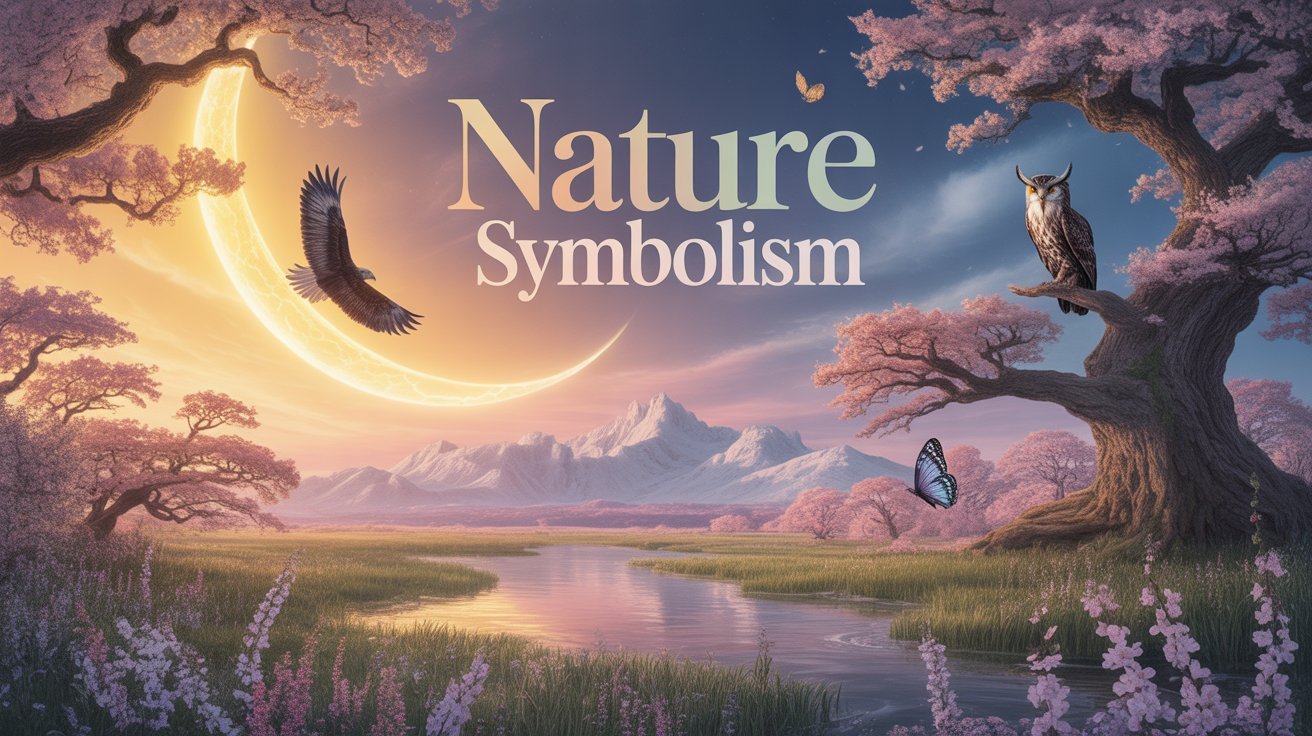
Nature has long spoken to humanity through symbols, guiding our understanding of life, death, and transformation. From ancient myths to modern literature, the natural world conveys messages that transcend words. Exploring these symbols reveals deeper insights into human thought and culture.
Across spiritual traditions, elements like water, trees, and mountains hold sacred significance. Rivers often symbolize cleansing and renewal, while mountains represent strength and spiritual ascent. These symbols invite reflection on our inner journeys and personal growth.
Culturally, animals and plants carry layered meanings, varying across societies. The owl embodies wisdom in some cultures but mystery or omen in others. Recognizing these interpretations enriches our appreciation of folklore, rituals, and art worldwide.
In literature, nature often mirrors human emotion and conflict. Storms reflect turmoil, seasons depict life cycles, and gardens symbolize harmony or decay. Writers use these symbols to communicate complex ideas without explicit explanation.
Modern psychology and eco-spirituality also draw on nature symbolism for healing and self-awareness. Observing patterns in the natural world can inspire mindfulness and foster connection to the Earth. Understanding these signs deepens our sense of purpose and belonging.
General Symbolism of Nature
Nature often reflects human emotions and universal truths, serving as a mirror to our inner world. Mountains, rivers, and forests convey strength, renewal, and mystery in symbolic language. Observing these elements helps us connect with life’s deeper meanings.
Animals and plants carry symbolic messages across cultures, representing qualities like wisdom, courage, and transformation. Birds often signify freedom, while flowers may symbolize beauty or fleeting moments. These symbols enrich stories, rituals, and daily life.
Seasons and natural cycles also hold symbolic weight, illustrating change, growth, and impermanence. Spring evokes new beginnings, autumn reflects maturity, and winter signals rest or endings. Recognizing these patterns fosters mindfulness and spiritual insight.
Trees Symbolism
Trees are powerful symbols of life, growth, and resilience, connecting earth and sky in spiritual traditions. Their roots represent stability, while branches reach toward possibility and expansion.
In many cultures, specific trees carry unique meanings—oak symbolizes strength, willow reflects sorrow, and cherry blossoms represent fleeting beauty. These associations enrich rituals, art, and folklore.
Literature often uses trees to mirror human experiences, from personal growth to cycles of life and death. Observing trees invites reflection on endurance, renewal, and interconnectedness with nature.
Flowers Symbolism
Flowers often symbolize beauty, love, and the fleeting nature of life, inspiring reflection in spiritual and cultural traditions. Their colors and shapes carry distinct meanings, conveying emotions without words.
Different flowers hold unique cultural significance—roses represent love, lilies purity, and lotuses spiritual enlightenment. These symbols appear in art, literature, and rituals worldwide.
In literature, flowers are used to mirror human emotions, growth, and transformation. Observing them encourages mindfulness, appreciation for nature, and awareness of life’s delicate cycles.
Water Symbolism
Water is a universal symbol of life, purification, and emotional depth, reflecting both calm and turbulence. Its flow represents change, renewal, and the passage of time.
In spiritual and cultural traditions, rivers, lakes, and oceans carry unique meanings—rivers symbolize journeys, oceans the subconscious, and rain divine blessings. These interpretations guide rituals and storytelling.
Literature often uses water to mirror human emotion, transformation, and rebirth. Engaging with water symbolism encourages introspection, healing, and connection with the natural world.
Mountains Symbolism
- Strength & Stability – Mountains represent endurance, permanence, and unshakable strength.
- Spiritual Ascent – They symbolize the journey toward enlightenment, higher knowledge, or personal growth.
- Challenges & Achievement – Climbing a mountain reflects overcoming obstacles and reaching life’s milestones.
- Connection to the Divine – Many cultures see mountains as sacred spaces, linking earth and heaven.
- Solitude & Reflection – Mountains encourage introspection, inner peace, and a retreat from worldly distractions.
Sun and Moon Symbolism
The sun symbolizes energy, vitality, and clarity, representing life, growth, and conscious awareness. Its light often conveys knowledge, strength, and inspiration across cultures.
The moon reflects intuition, emotions, and the cyclical nature of life, guiding introspection and spiritual reflection. Its phases symbolize change, mystery, and feminine energy.
In literature and art, the sun and moon often appear together to depict balance, duality, and harmony. Observing their symbolism encourages alignment of action with reflection and inner growth.
Animal Symbolism in Nature
Animals in nature often represent traits, instincts, and spiritual messages, guiding human understanding of behavior and character. Their presence conveys lessons about courage, wisdom, and adaptability.
Different creatures carry unique symbolic meanings—lions signify strength, owls wisdom, and butterflies transformation. These symbols appear in folklore, rituals, and storytelling across cultures.
In literature, animals are used to reflect human emotions, morality, and personal growth. Observing animal symbolism fosters empathy, intuition, and a deeper connection to the natural world.
Nature Symbolism in Literature and Art
Writers and artists often use nature to convey complex emotions, themes, and human experiences. Landscapes, seasons, and elements act as mirrors of inner life and societal ideas.
Flowers, trees, rivers, and animals frequently serve as metaphors, enriching narratives with layers of meaning. These symbols allow audiences to interpret stories on emotional, spiritual, and cultural levels.
From paintings to poetry, nature symbolism emphasizes cycles of life, transformation, and the connection between humanity and the environment. Engaging with these works deepens appreciation for both art and the natural world.
Nature Symbolism in Spiritual Practices
Nature has always played a central role in spiritual rituals, representing life, growth, and divine connection. Trees, water, and mountains serve as sacred symbols in many traditions.
Animals and natural elements are used to convey spiritual lessons, protection, and guidance. For example, birds often signify messages from the divine, while rivers symbolize purification.
Engaging with nature in spiritual practice fosters mindfulness, inner peace, and harmony with the Earth. Observing these symbols deepens personal insight and spiritual growth.
FAQ on Nature Symbolism
What is nature symbolism?
Nature symbolism refers to the use of natural elements—like trees, water, animals, or seasons—to convey deeper spiritual, cultural, or emotional meanings.
Why do different cultures assign meanings to nature?
Cultures interpret nature based on local environment, beliefs, and mythology, creating symbols that communicate values, lessons, and traditions.
How is nature used in literature?
Writers use nature to mirror human emotions, life cycles, and conflicts, making stories more vivid and meaningful.
Can nature symbolism help in personal growth?
Yes, observing nature’s patterns and symbols can inspire mindfulness, reflection, and spiritual or emotional growth.
Do animals have symbolic meanings?
Absolutely—animals often represent traits like courage, wisdom, or transformation, guiding both stories and spiritual practices.
What do seasons symbolize?
Seasons reflect life cycles: spring is renewal, summer is vitality, autumn is maturity, and winter represents rest or endings.
How is water symbolically interpreted?
Water represents life, purification, emotional depth, and transformation, appearing in rituals, stories, and spiritual teachings.
Are mountains symbolic in all cultures?
While meanings vary, mountains generally symbolize strength, stability, spiritual ascent, and challenges to overcome.
How can flowers convey emotions?
Flowers communicate feelings like love, purity, or fleeting beauty, appearing in art, literature, and ceremonies worldwide.
Why is nature symbolism still relevant today?
It connects us to our roots, encourages reflection, and inspires creativity, mindfulness, and cultural understanding.
Conclusion
Nature symbolism bridges the visible world and human imagination, offering insights into life, spirituality, and culture. Observing these symbols helps us understand ourselves and the world around us.
Through literature, art, and rituals, natural elements convey timeless messages about growth, transformation, and interconnectedness. They allow us to communicate complex ideas without words.
Animals, plants, seasons, and celestial bodies all carry layers of meaning, enriching human experience across societies. Recognizing these symbols fosters empathy, awareness, and mindfulness.
Ultimately, nature symbolism inspires reflection, creativity, and a deeper connection with the environment. By paying attention to these signs, we cultivate wisdom, spiritual growth, and harmony with the Earth.