Color Symbolism in Chinese Culture: Meanings, Traditions, and Cultural Significance
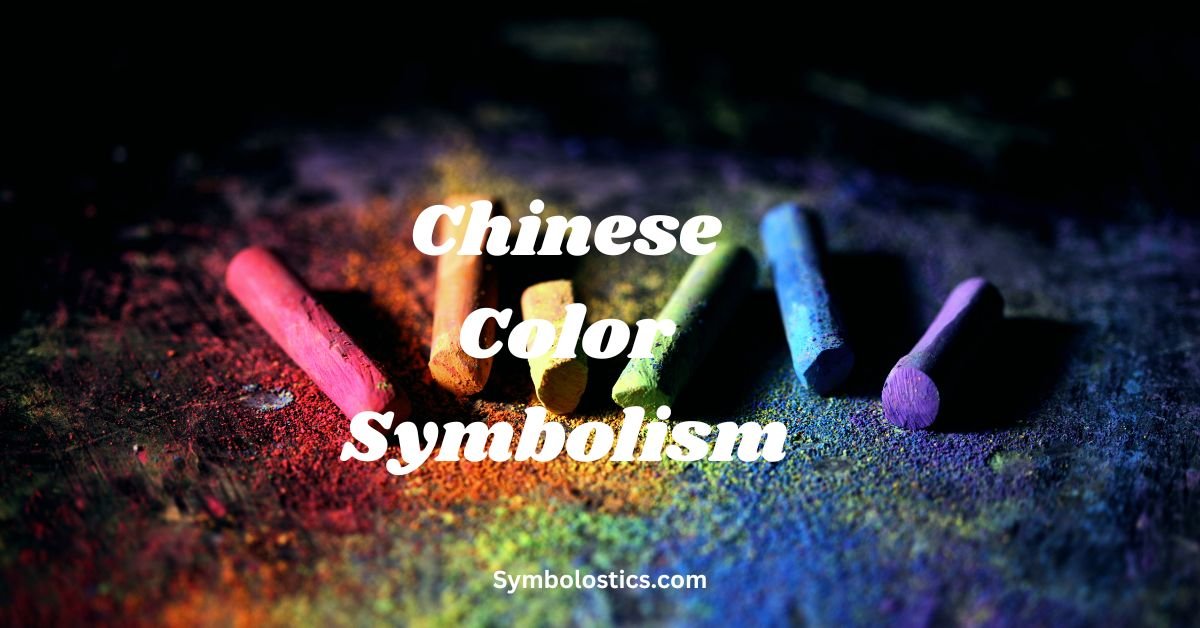
Color symbolism in Chinese culture goes far beyond decoration. Every color carries centuries of history, philosophy, and tradition, influencing everything from architecture and clothing to festivals, weddings, business branding, and daily life. Whether you’re planning a trip to China, studying Chinese traditions, designing products for the Chinese market, or simply curious about cultural meanings, understanding Chinese color symbolism helps you appreciate the deeper messages behind each shade.
Unlike many Western cultures, where colors are often associated with emotions alone, Chinese colors are closely connected to ancient philosophies like Yin and Yang and the Five Elements (Wu Xing). These beliefs have shaped Chinese customs for thousands of years and continue to influence modern celebrations, interior design, fashion, advertising, and even gift-giving.
For example, red represents happiness, prosperity, and celebration, making it the dominant color during Chinese New Year and weddings. White, however, symbolizes mourning and funerals, making it inappropriate for joyful occasions. Green generally reflects growth and health but has one famous exception—the “green hat,” which carries an entirely different cultural meaning.
This guide explores the meaning of every major color in Chinese culture, explains traditional beliefs, highlights lucky and unlucky colors, and shows how these meanings still influence modern Chinese society.
Why Colors Are So Important in Chinese Culture
Color has always been an essential part of Chinese civilization. Ancient rulers, philosophers, artists, and architects carefully selected colors to represent status, balance, nature, and spiritual beliefs.
Chinese people traditionally believed that colors were not random. Instead, every color reflected a force of nature and influenced harmony between humans and the universe.
These beliefs affected:
- Imperial palaces
- Religious temples
- Traditional clothing
- Furniture
- Wedding decorations
- Festivals
- Business branding
- Home decoration
- Gift wrapping
Even today, many Chinese families choose wedding dates, decorations, and festive colors based on traditional symbolism.
The Philosophy Behind Chinese Color Symbolism
Understanding Chinese colors begins with two ancient philosophies that have shaped Chinese culture for centuries.
Yin and Yang
Yin and Yang represent balance between opposite but complementary forces.
Examples include:
- Light and darkness
- Male and female
- Summer and winter
- Activity and rest
Colors also reflect this balance.
Generally:
- White represents Yang (light, purity, activity)
- Black represents Yin (depth, mystery, reflection)
Neither is considered completely good or bad. Instead, they exist together to create harmony.
The Five Elements (Wu Xing)
Chinese color symbolism is also based on the Five Elements.
| Element | Traditional Color | Symbolizes |
|---|---|---|
| Wood | Green / Blue | Growth, renewal, vitality |
| Fire | Red | Happiness, passion, prosperity |
| Earth | Yellow | Stability, royalty, balance |
| Metal | White | Purity, clarity, mourning |
| Water | Black | Wisdom, strength, adaptability |
These five elements continue to influence Chinese architecture, medicine, Feng Shui, festivals, and traditional art.
Colors in Chinese Traditional Culture
Traditional Chinese culture treats colors as symbols of social identity, philosophy, spirituality, and prosperity rather than simple visual choices.
Historically, certain colors could only be worn by emperors or high-ranking officials. Palaces, temples, ceremonial robes, and furniture all followed strict color rules that reflected hierarchy and cultural values.
Some traditional examples include:
- Red for weddings and celebrations
- Yellow for emperors and imperial buildings
- Gold for wealth and success
- Green for renewal and health
- Blue for healing and longevity
- White for funerals
- Black for authority and stability
These traditions continue today, especially during festivals like Chinese New Year, Mid-Autumn Festival, and weddings.
Colors in Chinese Pinyin
If you’re learning Mandarin Chinese, knowing the names of colors in Pinyin can be very helpful.
| English | Chinese Characters | Pinyin |
|---|---|---|
| Red | 红 | Hóng |
| Yellow | 黄 | Huáng |
| Blue | 蓝 | Lán |
| Green | 绿 | Lǜ |
| White | 白 | Bái |
| Black | 黑 | Hēi |
| Purple | 紫 | Zǐ |
| Pink | 粉红 | Fěnhóng |
| Gold | 金色 | Jīnsè |
| Silver | 银色 | Yínsè |
| Orange | 橙色 | Chéngsè |
Many of these names appear in Chinese literature, festivals, and everyday conversations.
Red: The Luckiest Color in Chinese Culture
No color is more important in China than red.
For thousands of years, red has represented:
- Good fortune
- Wealth
- Prosperity
- Celebration
- Success
- Joy
- Happiness
This is why nearly every Chinese celebration features red decorations.
You will commonly see red in:
- Chinese New Year decorations
- Wedding dresses
- Red envelopes (Hongbao)
- Lantern festivals
- Temple decorations
- Business openings
- Firecrackers
- Lucky charms
Red is also believed to ward off evil spirits and attract positive energy.
Because of these beliefs, many companies incorporate red into packaging, logos, and seasonal marketing campaigns aimed at Chinese consumers.
Yellow and Gold: Symbols of Wealth and Royalty
Historically, yellow belonged almost exclusively to the emperor.
During several dynasties, ordinary citizens were forbidden from wearing bright imperial yellow because it symbolized supreme authority.
Today, yellow represents:
- Prestige
- Honor
- Stability
- Wisdom
- Prosperity
Gold shares similar meanings but adds ideas of:
- Luxury
- Financial success
- Achievement
- High quality
Luxury brands frequently use gold packaging during Chinese festivals because it immediately conveys wealth and good fortune.
Orange in Chinese Culture
Orange combines the energy of red with the optimism of yellow.
It often symbolizes:
- Warmth
- Joy
- Good luck
- Happiness
- Positive energy
- Success
Orange fruits, especially mandarins and tangerines, are popular gifts during Chinese New Year because they symbolize wealth and prosperity.
Their golden appearance makes them especially meaningful during festive celebrations.
Green Meaning in Chinese Culture
Green (绿, Lǜ) is generally associated with nature, renewal, health, and growth. Rooted in the Wood element of the Five Elements philosophy, green represents spring, fresh beginnings, and harmony with the natural world. It is widely used in parks, gardens, tea packaging, wellness products, and eco-friendly branding.
In modern China, green also symbolizes safety and freshness. Organic foods, herbal medicines, and environmentally conscious businesses often incorporate green into their logos and packaging to communicate health and trust.
The Famous Green Hat Meaning
Although green is mostly positive, one well-known cultural taboo stands out—the green hat.
The Chinese phrase 戴绿帽子 (dài lǜ màozi) literally means “wearing a green hat.” It refers to a man whose partner has been unfaithful. Because of this long-standing expression, gifting a green hat or using green hats in advertising can cause embarrassment or offense.
This is one of the most widely recognized color-related taboos in Chinese culture. Outside of hats, however, green remains a respected and positive color.
Blue Meaning in Chinese Culture
Blue (蓝, Lán) symbolizes peace, trust, wisdom, healing, and stability. Unlike in some Western cultures, where blue may represent sadness, it carries largely positive meanings in China.
Blue is often connected with:
- Calmness
- Intelligence
- Reliability
- Honesty
- Longevity
- New beginnings
Many Chinese technology companies, banks, educational institutions, and healthcare organizations use blue because it conveys professionalism and confidence.
Light blue often reflects freshness and healing, while darker shades communicate authority and dependability.
Because blue has very few cultural taboos, it is considered one of the safest colors for international brands entering the Chinese market.
Chinese Color Symbolism Pink
Pink (粉红, Fěnhóng) has become increasingly popular in modern Chinese culture, particularly among younger generations.
Although pink wasn’t traditionally one of China’s primary symbolic colors, today it commonly represents:
- Romance
- Kindness
- Gentleness
- Youth
- Femininity
- Sweetness
Pink frequently appears in:
- Valentine’s Day promotions
- Qixi Festival celebrations
- Cosmetics
- Fashion
- Children’s products
- Floral arrangements
Unlike red, which symbolizes celebration and prosperity, pink conveys softer emotional connections such as affection, friendship, and tenderness.
Many luxury beauty brands use blush pink packaging to appeal to younger consumers seeking elegance and sophistication.
Purple Color Meaning in Chinese Culture
Purple (紫, Zǐ) combines the strength of red with the calmness of blue, creating a color associated with nobility, spirituality, creativity, and luxury.
Historically, purple held special importance because it was connected with heavenly power and imperial prestige. Ancient Chinese texts often linked purple to the stars and the heavens, making it a symbol of divine favor.
Today, purple commonly represents:
- Luxury
- Royalty
- Spiritual wisdom
- Creativity
- Romance
- Elegance
- Imagination
High-end cosmetics, perfumes, fashion products, and premium packaging frequently use purple to create an exclusive appearance.
Lighter lavender shades often communicate youthfulness, while darker purples suggest sophistication and wealth.
White in Chinese Culture
White (白, Bái) carries one of the strongest symbolic meanings in Chinese culture.
While white often symbolizes purity and innocence worldwide, its primary traditional meaning in China is mourning and remembrance.
White is commonly seen at:
- Funerals
- Memorial ceremonies
- Graveside rituals
- Mourning clothing
- Funeral flowers
Because of these associations, white is generally avoided during joyful celebrations such as weddings, birthdays, and major festivals.
However, this does not mean white is considered “bad.” Modern Chinese businesses regularly use white backgrounds on websites, minimalist product designs, and clean interior spaces.
The important distinction is context.
Using white as an accent or neutral background is perfectly acceptable, while all-white gift wrapping or event decorations may unintentionally suggest mourning.
Black in Chinese Culture
Black (黑, Hēi) has both positive and negative meanings, depending on the situation.
In traditional philosophy, black corresponds to the Water element and represents depth, strength, resilience, and mystery. It is also associated with Yin energy, reflecting introspection and wisdom.
Positive meanings include:
- Authority
- Sophistication
- Strength
- Protection
- Elegance
- Professionalism
Luxury cars, premium electronics, designer fashion, and formal clothing often feature black because it communicates confidence and quality.
At the same time, black may also appear in expressions related to secrecy or illegal activities, similar to the English phrases “black market” or “blacklist.”
For branding, black works best when paired with brighter colors like gold, red, or white, creating a balanced and refined visual identity.
Unlucky Colors in China
Chinese culture does not classify every color as strictly lucky or unlucky. Instead, a color’s meaning depends heavily on context, timing, and cultural traditions.
Still, some colors require extra care.
White
White is strongly associated with funerals and mourning. It is generally avoided for wedding decorations, celebratory gifts, and festive packaging.
Green Hats
Green itself is lucky in many situations, but green hats should always be avoided because of their association with infidelity.
Excessive Black
Although black symbolizes elegance and authority, using too much black during joyful celebrations may appear overly serious or cold.
Bright Yellow in Certain Contexts
Historically respected as an imperial color, bright yellow has also developed slang meanings in modern Chinese that relate to adult content. Gold or muted yellow shades are often safer alternatives.
Poor Color Combinations
Even lucky colors can lose their positive impact when combined poorly. Successful Chinese design usually balances auspicious colors rather than relying on one dominant shade.
Choosing the Right Colors for Business in China
If your business plans to enter the Chinese market, understanding color symbolism can improve customer trust and brand recognition.
Some practical recommendations include:
- Use red and gold during holiday promotions.
- Choose blue for technology, healthcare, and finance brands.
- Use green for organic, wellness, and environmental products.
- Avoid all-white packaging for celebratory products.
- Never use green hats in advertisements.
- Test packaging colors with local audiences before launch.
- Balance traditional symbolism with modern design trends.
Small adjustments in color can make a significant difference in how customers perceive your brand.
Color Symbolism in Ancient Chinese Architecture
Color was never chosen randomly in ancient Chinese architecture. Every palace, temple, pavilion, and city gate followed carefully defined color traditions based on philosophy, social hierarchy, and the Five Elements (Wu Xing). Colors helped communicate power, harmony, and spiritual beliefs while creating visually balanced spaces.
Some of the most recognizable examples include:
- Red walls represented happiness, protection, and prosperity.
- Yellow glazed roof tiles were reserved for the emperor and symbolized supreme authority.
- Blue roofs appeared on certain temples dedicated to heaven, reflecting peace and spirituality.
- Green tiles decorated gardens and royal residences, expressing growth and harmony with nature.
- Black architectural details were sometimes used to symbolize water and protection against fire.
The famous imperial palaces in Beijing showcase how color reinforced status and cultural identity. Every painted beam, carved door, and decorative roof tile reflected centuries of artistic tradition and philosophical thinking.
Color Symbolism in Traditional Chinese Furniture
Traditional Chinese furniture also reflected the symbolic meaning of colors.
Furniture makers carefully selected wood species, lacquer finishes, paints, and decorative carvings to create pieces that represented prosperity, balance, and longevity.
Popular colors included:
Red
Red lacquer furniture symbolized wealth, celebration, and happiness. It was commonly used in wedding furniture and ceremonial rooms.
Black
Black lacquer represented elegance, stability, and sophistication. It became especially popular during the Ming and Qing dynasties for elite households.
Gold
Gold leaf decorations added prestige and luxury. Royal furniture often featured intricate gold-painted carvings that highlighted imperial status.
Natural Wood
Many artisans left valuable hardwoods in their natural color to emphasize craftsmanship, simplicity, and harmony with nature.
These design traditions continue to inspire modern Chinese interior design, where classic colors are combined with contemporary materials.
Modern Color Symbolism in China
While ancient beliefs remain influential, modern Chinese society has also developed new color preferences.
Today, color symbolism is shaped by both tradition and global trends.
For example:
- Luxury brands continue to use gold for premium products.
- Technology companies favor blue because it communicates trust and innovation.
- Wellness brands often choose green to emphasize health and sustainability.
- Fashion companies experiment with purple, pink, and pastel shades to attract younger consumers.
- Minimalist black-and-white designs have become increasingly popular in urban architecture and high-end retail.
Even so, traditional meanings still influence major life events, festivals, and gift-giving customs.
Chinese Color Symbolism at a Glance
| Color | Traditional Meaning | Common Uses |
|---|---|---|
| Red | Luck, happiness, prosperity | Weddings, Chinese New Year, celebrations |
| Yellow | Royalty, balance, prestige | Historic palaces, luxury branding |
| Gold | Wealth, success, abundance | Premium packaging, festivals |
| Green | Growth, health, harmony | Wellness, tea, eco-friendly products |
| Blue | Trust, peace, wisdom | Technology, healthcare, finance |
| Pink | Love, kindness, youth | Beauty, fashion, romantic occasions |
| Purple | Luxury, spirituality, creativity | Cosmetics, luxury goods, gifts |
| White | Purity, mourning | Funerals, healthcare, minimalist design |
| Black | Authority, mystery, elegance | Luxury products, formal wear |
Dos and Don’ts of Using Colors in China
✅ Do
- Use red and gold for festivals, grand openings, and holiday promotions.
- Learn the cultural meaning of colors before launching products.
- Adapt your packaging to suit Chinese traditions.
- Balance traditional symbolism with modern aesthetics.
- Consider regional preferences and target audiences.
❌ Don’t
- Avoid all-white gift wrapping for celebrations.
- Never give someone a green hat as a gift.
- Don’t assume Western color meanings apply in China.
- Avoid excessive use of dark colors during festive occasions.
- Don’t use symbolic colors without understanding their cultural context.
Conclusion
Color symbolism is woven into nearly every aspect of Chinese culture, from ancient philosophy and imperial architecture to modern branding and holiday celebrations. Each color tells a story shaped by history, tradition, and cultural values.
Understanding these meanings isn’t just useful for travelers or students—it also helps businesses, designers, educators, and marketers communicate more effectively with Chinese audiences. Choosing the right colors can show cultural respect, strengthen relationships, and avoid unintended misunderstandings.
Although modern China embraces global design trends, traditional symbolism remains highly influential. Red still represents celebration and prosperity, white continues to be associated with mourning, yellow reflects historical prestige, and green remains a symbol of growth—with the notable exception of the famous green hat taboo.
By learning the symbolism behind Chinese colors, you’ll gain a deeper appreciation for one of the world’s oldest and richest cultural traditions.
Frequently Asked Questions
What does each color represent in China?
Red symbolizes luck and happiness, yellow represents royalty and prestige, green stands for growth, blue reflects trust, white signifies mourning, black conveys authority, and purple symbolizes luxury and spirituality.
What is the luckiest color in Chinese?
Red is considered the luckiest color in Chinese culture because it represents prosperity, happiness, success, and good fortune, especially during weddings and Chinese New Year.
What are the five Chinese colors?
The five traditional Chinese colors are red, yellow, blue (or green), white, and black. They correspond to the Five Elements: Fire, Earth, Wood, Metal, and Water.
What color means bad luck in China?
White is commonly associated with mourning and funerals, making it unsuitable for joyful celebrations. A green hat is also considered unlucky because it symbolizes infidelity.
Why is red so important in Chinese culture?
Red has long been associated with joy, prosperity, and protection from evil spirits. It’s widely used during festivals, weddings, and other important celebrations.
Is black a lucky or unlucky color in China?
Black is neither entirely lucky nor unlucky. It symbolizes strength, authority, and elegance but may also suggest secrecy depending on the context.
Why do Chinese weddings use red instead of white?
Red represents happiness, prosperity, and a successful marriage, while white is traditionally linked to mourning and funerals.
Can businesses use white in Chinese branding?
Yes. White is acceptable as a background or accent color, but businesses should avoid all-white packaging for celebratory products or festive campaigns.
Why is a green hat offensive in Chinese culture?
The phrase “wearing a green hat” refers to a man whose partner has been unfaithful. Because of this cultural expression, green hats are considered inappropriate gifts or promotional items.
How does traditional Chinese color symbolism influence modern design?
Many modern architects, fashion designers, and brands continue to use traditional color meanings to create products and campaigns that resonate with Chinese consumers while respecting cultural values.