Smoke Symbolism: Spiritual, Cultural & Dream Meaning
Smoke has fascinated humans for centuries, appearing in rituals, dreams, and daily life as a powerful symbol. It rises quietly into the air, blurring the line between the visible and the invisible. Because of this mysterious nature, smoke often represents messages, transformation, and hidden truths.
In spiritual and cultural traditions, smoke is often linked with communication between worlds. From incense in sacred ceremonies to signals used in ancient cultures, smoke symbolizes prayers, guidance, and connection to the divine. Its drifting movement reminds us that life is constantly changing and evolving.
When smoke appears in dreams, it can carry deep emotional and psychological meaning. It may suggest confusion, hidden issues, or a situation that is not entirely clear. At the same time, smoke can also symbolize purification, transition, and the beginning of spiritual awareness.
General Symbolism of Smoke
Smoke has long symbolized mystery and the unseen forces that shape our lives. Because it rises and disappears into the air, it often represents thoughts, emotions, or messages that are difficult to grasp. Many cultures view smoke as a bridge between the physical and spiritual worlds.
Another common interpretation of smoke is transformation and change. It usually appears after fire, suggesting that something has ended and a new phase is beginning. In this sense, smoke reflects the process of letting go, renewal, and personal growth.
Smoke can also symbolize confusion or lack of clarity. Just as thick smoke can obscure vision, it may represent situations in life where the truth is hidden or uncertain. This symbolism encourages reflection, patience, and the search for deeper understanding.
Spiritual Meaning
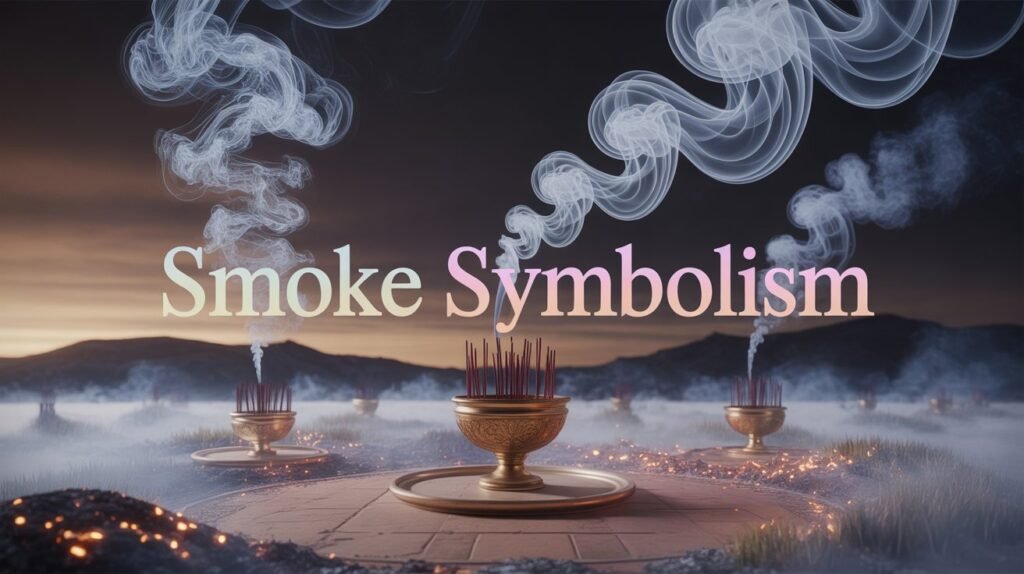
Smoke carries deep spiritual symbolism and is often seen as a sign of connection between the earthly and the divine. In many traditions, rising smoke represents prayers, intentions, or energy moving upward toward higher realms. Its gentle ascent reflects the soul’s desire for spiritual growth and guidance.
Spiritually, smoke can also symbolize purification and cleansing. Rituals involving incense or sacred herbs use smoke to clear negative energy and create a peaceful atmosphere. This symbolism reminds us of the importance of releasing emotional burdens and restoring inner balance.
At times, smoke represents spiritual awakening and hidden wisdom. Just as smoke reveals the presence of fire, it can signal that deeper truths are emerging in your life. This meaning encourages mindfulness, intuition, and openness to spiritual insight.
Cultural Symbolism
Smoke holds powerful meaning across many cultures and traditions. In ancient societies, it was often used as a signal, carrying messages across distances through the sky. Because of this, smoke became a symbol of communication, unity, and shared understanding among communities.
In many religious rituals, smoke from incense or sacred herbs represents offerings to the divine. The rising smoke symbolizes prayers and intentions traveling from the earthly world to the spiritual realm. This practice reflects respect, devotion, and the desire for spiritual connection.
Some cultures also view smoke as a sign of protection and purification. Ceremonies using smoke are believed to cleanse spaces, people, and objects from negative energies. Through these traditions, smoke symbolizes renewal, healing, and the restoration of harmony.
Smoke in Dreams
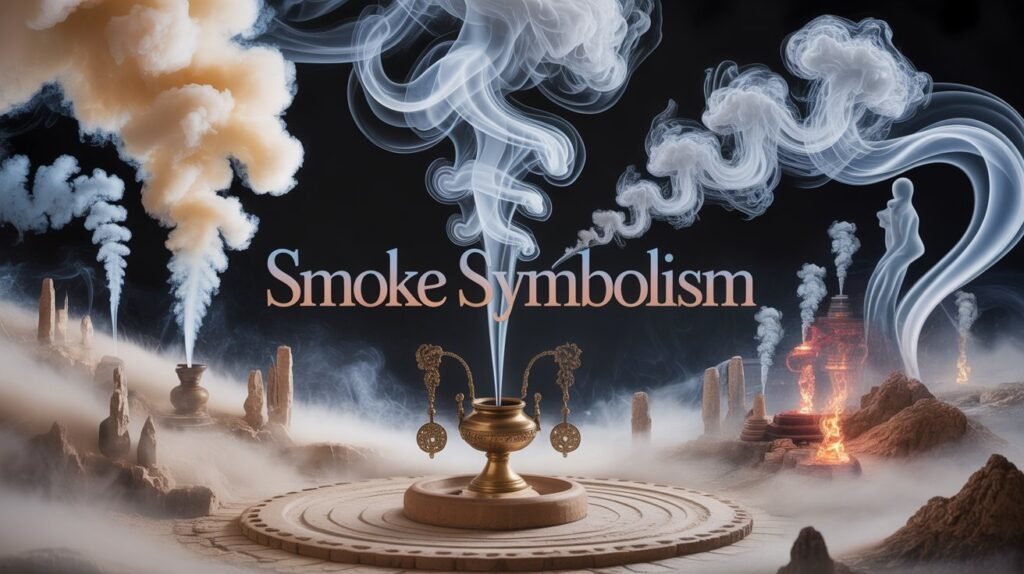
Seeing smoke in dreams often reflects confusion or uncertainty in waking life. Just as smoke can blur vision, the dream may symbolize situations where the truth is hidden or unclear. It encourages you to look deeper and seek clarity before making important decisions.
Smoke in dreams can also represent transformation or emotional release. Since smoke appears after fire, it may indicate that a difficult phase is ending and change is taking place. This dream can be a reminder that growth often comes after challenges and inner reflection.
Smoke in Art and Literature
Smoke has long been used in art and literature as a symbol of mystery and fleeting moments. Artists often depict drifting smoke to represent emotions that are difficult to capture or explain. Its soft, shifting form reflects the fragile and temporary nature of life.
In literature, smoke frequently symbolizes secrecy, illusion, or hidden truths. Writers use it to create atmosphere, suggesting that something lies beneath the surface waiting to be discovered. Through this imagery, smoke becomes a powerful metaphor for uncertainty, transformation, and deeper meaning.
Smoke in Modern Symbolism
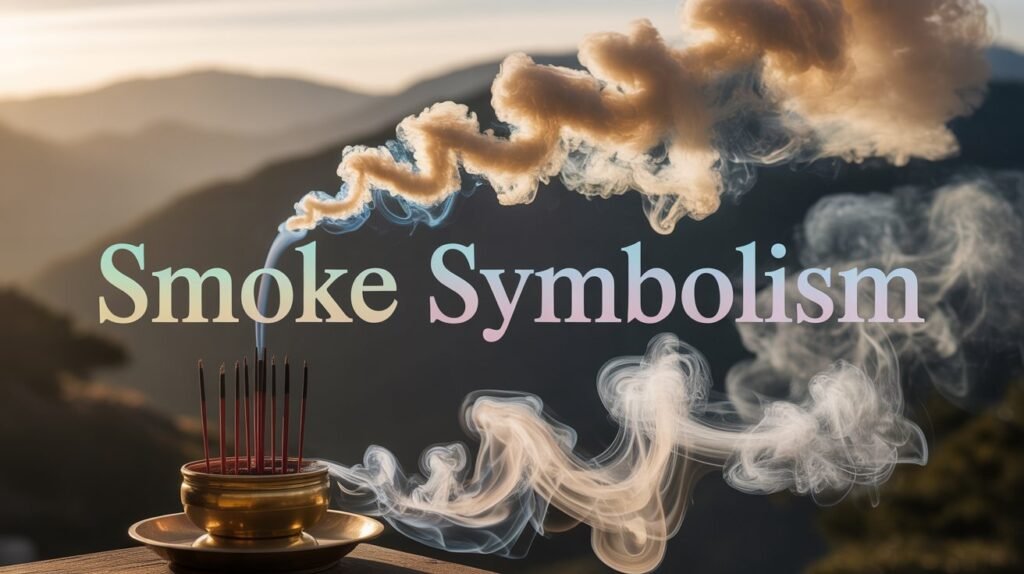
In modern symbolism, smoke often represents uncertainty, secrecy, or something hidden beneath the surface. Phrases like “smoke and mirrors” are commonly used to describe illusions or situations where the truth is being disguised. In this sense, smoke reflects confusion, deception, or unclear intentions in everyday life.
Smoke is also linked with transformation and emotional release in modern interpretations. It appears after fire, symbolizing the aftermath of intense experiences or change. This meaning suggests letting go of the past, processing emotions, and moving toward renewal.
In media, films, and visual culture, smoke is often used to create mood and dramatic tension. Rising smoke can symbolize danger, mystery, or the presence of something powerful. Because of its shifting and temporary nature, smoke continues to represent change, transition, and the unknown in modern symbolism.
FAQ on Smoke Symbolism
What does smoke symbolize spiritually?
Spiritually, smoke often represents communication between the physical and spiritual worlds. Many traditions believe rising smoke carries prayers, intentions, or offerings to the divine. It also symbolizes purification, transformation, and spiritual awakening.
What does it mean to see smoke in dreams?
Seeing smoke in dreams usually reflects confusion, hidden issues, or unclear situations in waking life. It may suggest that something important is being overlooked or misunderstood. At the same time, it can symbolize transformation after emotional or personal challenges.
Is smoke always a negative symbol?
No, smoke is not always negative. While it can represent confusion or secrecy, it also symbolizes renewal, spiritual connection, and change. The meaning often depends on the context in which the smoke appears.
Why is smoke used in spiritual rituals?
Smoke is commonly used in rituals because it symbolizes cleansing and spiritual communication. Incense, herbs, or sacred wood are burned to purify spaces and invite positive energy. The rising smoke represents intentions being lifted toward higher spiritual realms.
What does thick smoke symbolize?
Thick smoke often symbolizes intense confusion, emotional turmoil, or a situation that is difficult to understand. It may indicate that something important is hidden or unclear. This symbolism encourages patience and careful reflection before taking action.
What does white smoke symbolize?
White smoke is often associated with peace, purification, and spiritual guidance. In many traditions, it represents positive energy and divine messages. It can also symbolize clarity after a period of uncertainty.
What does black smoke symbolize?
Black smoke typically represents warning, danger, or negative energy. Symbolically, it may indicate unresolved emotions, hidden problems, or destructive situations. In dreams or symbolism, it encourages awareness and caution.
Conclusion
Smoke symbolism carries deep meaning across spiritual, cultural, and psychological contexts. Its rising, shifting nature reflects the mysterious connection between the visible and invisible aspects of life. Because of this, smoke often represents transformation, communication, and hidden truths.
Throughout history, smoke has appeared in rituals, dreams, art, and literature as a powerful symbol. It can signify purification, emotional release, or moments of uncertainty and change. These interpretations remind us that symbols often reveal deeper insights about our inner world.
Ultimately, the symbolism of smoke encourages reflection and awareness. Whether seen in dreams, traditions, or everyday life, it invites us to look beyond the surface. In doing so, we can better understand the messages, transitions, and spiritual meanings unfolding around us.