Summer Solstice Symbolism | Meaning, Cultural & Spiritual Significance
The summer solstice is one of the most powerful and meaningful moments in the yearly cycle of nature. It marks the longest day and the shortest night of the year, when the sun reaches its highest point in the sky. Across cultures and centuries, people have viewed this day as a symbol of light, growth, abundance, and spiritual energy. The symbolism of the summer solstice is deeply connected to nature’s rhythms, reminding humanity of the relationship between sunlight, life, and renewal.
For many traditions, the solstice represents the peak of life’s energy. Crops are growing, nature is flourishing, and the warmth of the sun sustains the earth. Because of this, the summer solstice symbolism often reflects themes of vitality, celebration, fertility, and transformation. Ancient communities gathered to honor the sun’s power, believing that this day held sacred energy capable of inspiring personal and spiritual growth.
Astronomical and Natural Significance
Astronomically, the summer solstice occurs when the Earth’s axis tilts most directly toward the sun. This alignment causes the sun to appear at its highest position in the sky, creating the longest daylight period of the year in the Northern Hemisphere.
In nature, this event symbolizes fullness and abundance. Plants reach their peak growth, animals are active, and ecosystems thrive under the intense sunlight. The symbolism of the summer solstice therefore reflects the culmination of nature’s life force.
Farmers and agricultural societies historically relied on the solstice as a seasonal marker. It helped guide planting cycles, harvest expectations, and the observation of natural patterns. As a result, the solstice became not only an astronomical event but also a celebration of life’s abundance.
Historical and Cultural Symbolism
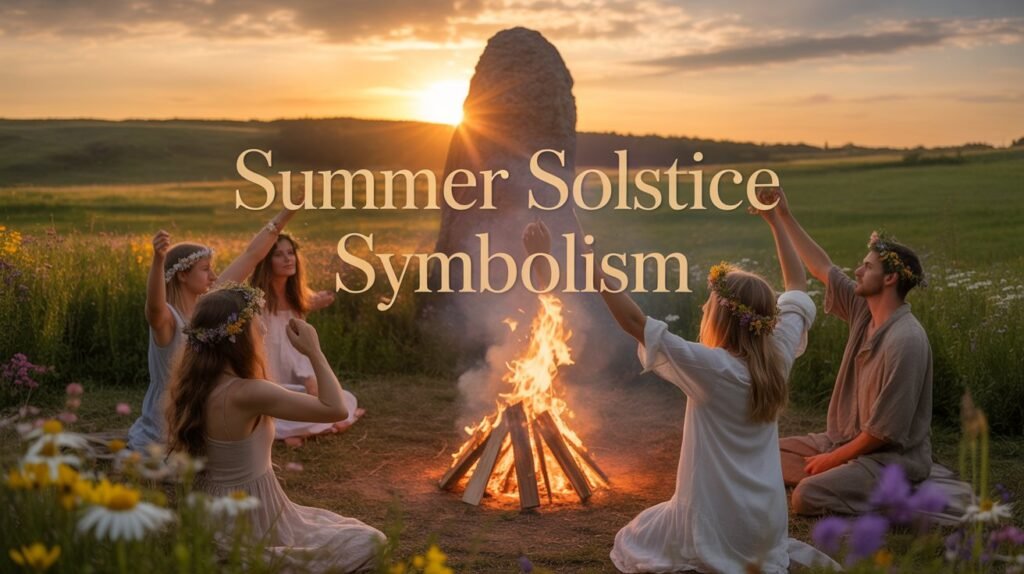
Throughout history, civilizations around the world have celebrated the summer solstice with festivals, rituals, and symbolic traditions. Each culture interpreted the event in unique ways, but most shared a common theme: honoring the sun as the giver of life.
Ancient Europe
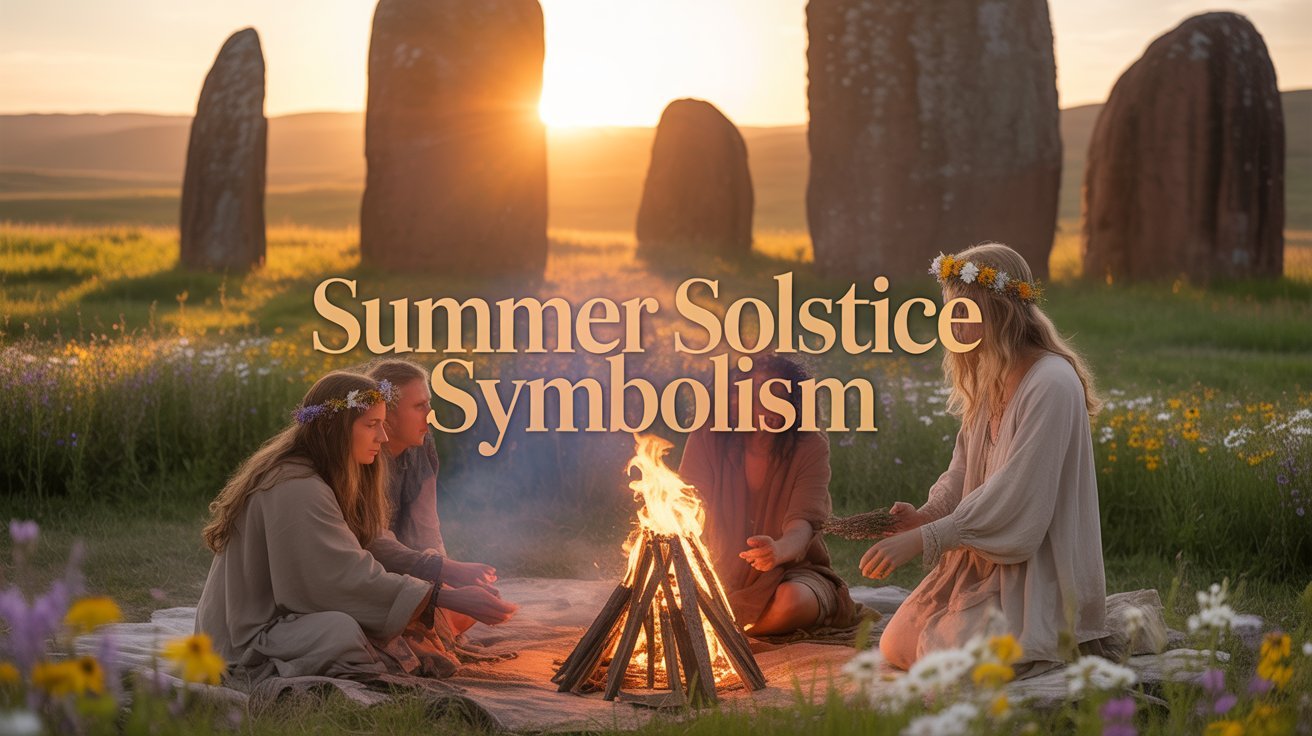
In ancient Europe, the summer solstice was celebrated with large gatherings, feasts, and bonfires. Communities believed that fire represented the sun’s energy and could bring protection, fertility, and good fortune.
People danced around fires, sang songs, and performed rituals to strengthen their connection with nature. These traditions symbolized gratitude for sunlight and the prosperity it brought to the land.
Celtic Symbolism
Among Celtic communities, the summer solstice was associated with sacred landscapes, mystical energy, and seasonal magic. Sacred sites aligned with the sun’s movement were often used for rituals during this time.
Celtic symbolism connected the solstice with balance, transformation, and spiritual illumination. The sun represented wisdom and divine guidance, and the solstice marked a moment when spiritual forces were believed to be especially powerful.
Native American Symbolism
Many Native American tribes honored the summer solstice as a sacred event connected to harmony between humans and nature. Ceremonies often included dancing, singing, and offerings to the earth and the sun.
These traditions emphasized gratitude for the natural world and the interconnectedness of life. The solstice symbolized renewal, balance, and respect for the environment.
Ancient Egypt
In ancient Egypt, the summer solstice held great significance because it occurred close to the annual flooding of the Nile River. This flooding brought fertile soil and ensured successful crops.
The rising sun symbolized rebirth and divine power. Temples and monuments were often aligned with solar events, reflecting the belief that the sun represented life, order, and cosmic balance.
Asian Traditions
In various Asian traditions, the summer solstice symbolized harmony between natural forces. Philosophies that emphasized balance—such as the interplay of energy within nature—viewed the solstice as a powerful seasonal transition.
Festivals during this time often celebrated growth, vitality, and family unity, highlighting the importance of living in harmony with nature’s cycles.
Spiritual Symbolism of the Summer Solstice
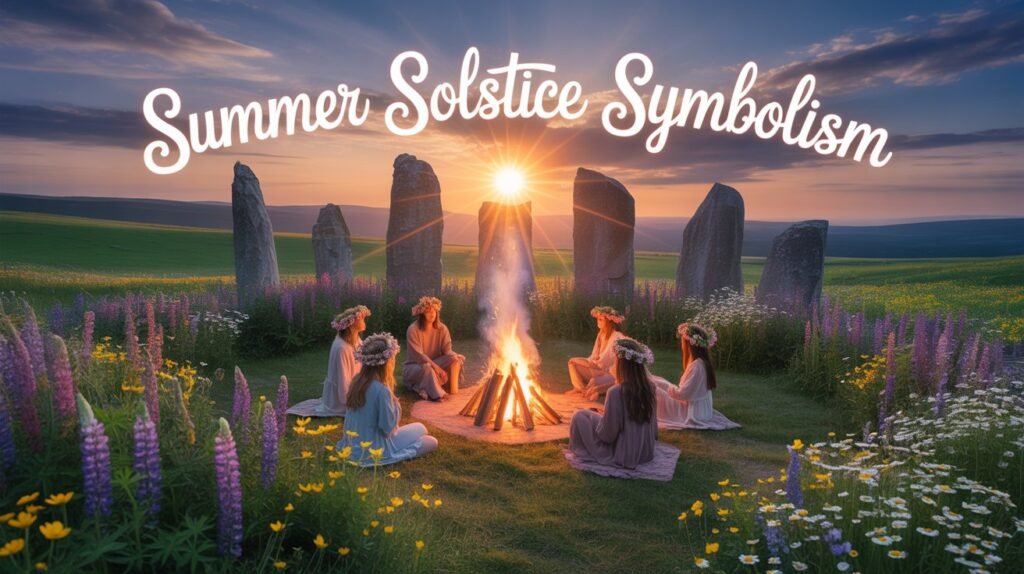
Spiritually, the summer solstice symbolism represents illumination, awakening, and personal transformation. Just as the sun reaches its highest point in the sky, individuals are encouraged to reach their highest potential.
Many spiritual traditions view this day as a time to reflect on personal growth. It is seen as an opportunity to release negativity, embrace positivity, and reconnect with inner purpose.
The solstice also symbolizes balance between light and darkness. While the day is longest, it also marks the turning point when daylight will slowly begin to decrease. This reminds people that life is a cycle of growth, change, and renewal.
Summer Solstice Symbolism by Elements
The symbolism of the summer solstice is often connected to the natural elements.
Sun – Represents life, strength, vitality, and divine energy.
Fire – Symbolizes transformation, purification, and passion.
Earth – Reflects fertility, growth, and abundance.
Water – Represents emotional renewal and spiritual cleansing.
Air – Symbolizes inspiration, freedom, and clarity.
Together, these elements illustrate the harmony of nature during the solstice and the balance required for life to flourish.
Summer Solstice Rituals and Practices
Across cultures, people have created rituals to celebrate the summer solstice and honor its symbolic meaning.
Common practices include:
- Lighting bonfires to represent the sun’s power
- Watching the sunrise or sunset in nature
- Gathering with communities for festivals and celebrations
- Meditating or reflecting on personal goals
- Decorating with flowers, herbs, and natural symbols
These rituals strengthen the connection between humans and the natural world.
Summer Solstice in Art and Literature
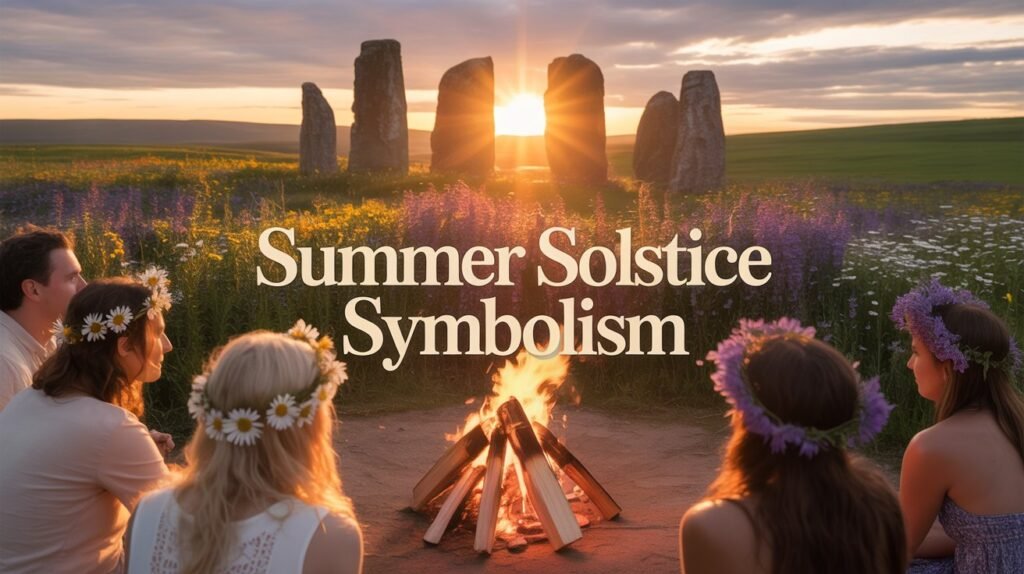
Artists and writers have long been inspired by the symbolism of the summer solstice. The event often appears in poetry, mythology, paintings, and folklore as a representation of light, magic, and transformation.
Literature sometimes portrays the solstice as a moment when the boundary between the physical and spiritual worlds becomes thin. This theme appears in many cultural stories and legends connected to midsummer celebrations.
In visual art, bright sunlight, blooming landscapes, and vibrant colors often symbolize the energy of the solstice.
Color Symbolism in the Summer Solstice
Colors play an important role in the symbolism of the summer solstice.
Gold and yellow represent sunlight, joy, and vitality.
Green symbolizes growth, nature, and fertility.
Red and orange reflect warmth, passion, and life energy.
White represents purity and spiritual illumination.
These colors often appear in decorations, clothing, and artwork associated with midsummer celebrations.
Summer Solstice Symbolism in Dreams
Dreams about the summer solstice or bright sunlight often symbolize personal awakening and emotional clarity. Seeing strong sunlight in dreams may represent hope, enlightenment, or the discovery of new opportunities.
Dream imagery related to summer landscapes, blooming flowers, or vibrant sunlight can also symbolize growth, happiness, and fulfillment. Such dreams may encourage individuals to embrace positive change and pursue their goals with confidence.
Summer Solstice Symbolism in Tattoos
The summer solstice is a popular theme in symbolic tattoos. Designs often feature suns, circles, flowers, or nature-inspired patterns.
These tattoos usually represent life, strength, transformation, and connection with nature. For many people, a summer solstice tattoo symbolizes personal growth or an important life milestone.
Modern Applications of Summer Solstice Symbolism
Today, the symbolism of the summer solstice continues to inspire modern practices. People celebrate it through yoga gatherings, outdoor festivals, spiritual retreats, and environmental awareness events.
Many individuals also use this day as a time for personal reflection. It can serve as a reminder to appreciate life’s abundance and to reconnect with nature in a fast-paced world.
Life Lessons from Summer Solstice Symbolism
The summer solstice symbolism offers meaningful life lessons.
It teaches the importance of embracing light and positivity, just as nature thrives under the sun. It also reminds us that every peak moment eventually leads to change, encouraging humility and awareness of life’s cycles.
Most importantly, the solstice highlights the beauty of growth, balance, and harmony with the natural world.
FAQs on Summer Solstice Symbolism
What does the summer solstice symbolize?
The summer solstice symbolizes light, abundance, growth, and the peak of life’s energy in nature.
Why did ancient cultures celebrate the summer solstice?
Ancient cultures celebrated it to honor the sun’s power, ensure fertility of the land, and mark seasonal changes important for agriculture.
Is the summer solstice spiritually significant?
Yes. Many spiritual traditions view it as a time for renewal, reflection, and spiritual awakening.
What symbols represent the summer solstice?
Common symbols include the sun, fire, flowers, circles, and bright colors representing warmth and life.
Conclusion
The summer solstice symbolism reflects one of nature’s most powerful moments—the peak of light and vitality in the yearly cycle. From ancient civilizations to modern spiritual practices, this day has always represented growth, celebration, and connection with the natural world.
By understanding the meaning behind the summer solstice, we gain insight into humanity’s deep relationship with nature and the sun. The solstice reminds us to appreciate life’s abundance, embrace personal growth, and honor the natural cycles that shape our world.