Young Goodman Brown Symbolism | Themes, Spiritual & Literary Meaning
Nathaniel Hawthorne’s Young Goodman Brown is a timeless tale filled with deep symbolism and moral complexity. The story explores human nature, faith, and the tension between good and evil. Its rich allegorical layers continue to captivate readers and scholars alike.
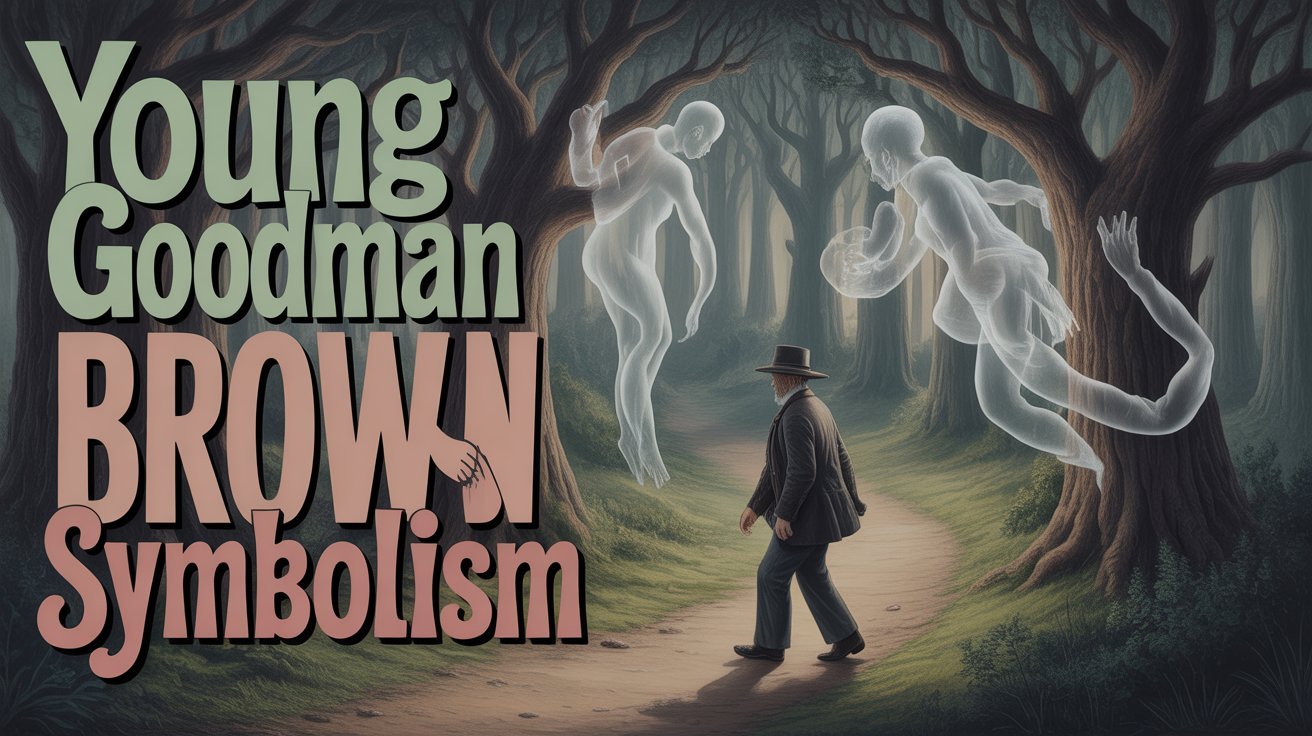
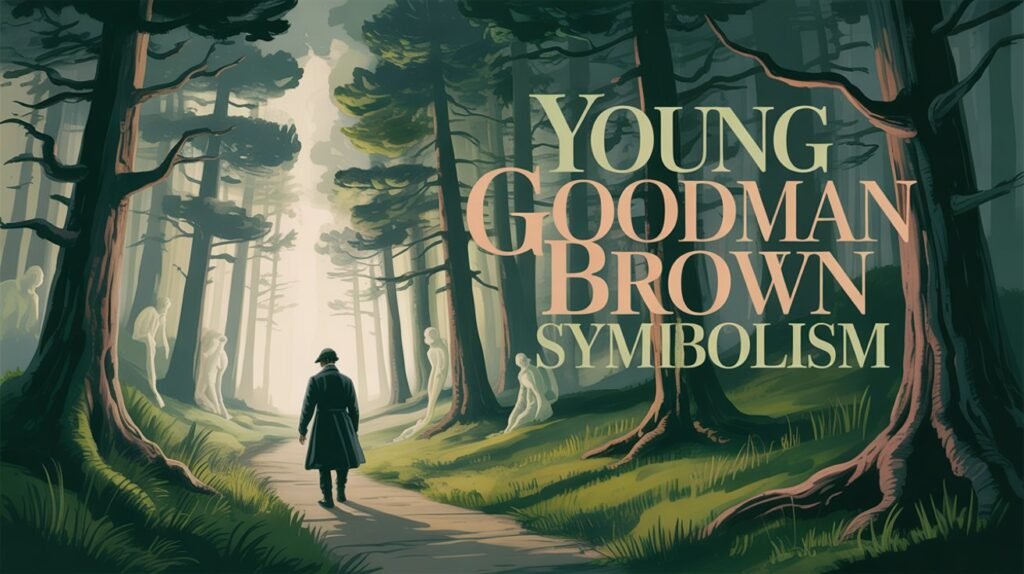
Set in a Puritan society, the narrative follows Goodman Brown’s journey into a dark forest, a place of temptation and hidden truths. The forest becomes a mirror for the human soul, revealing doubts, fears, and moral struggles. Every step he takes symbolizes a confrontation with the unseen forces within and around him.
Hawthorne’s work remains a cornerstone of American literature and a profound exploration of spiritual and ethical dilemmas. Through characters, colors, and events, the story unveils the complexity of belief, innocence, and hypocrisy. In this article, we’ll uncover the symbolism, themes, and spiritual meaning embedded in every aspect of the tale.
The Forest as a Symbol
The forest in Young Goodman Brown represents the unknown, temptation, and moral ambiguity. It is both a physical place and a metaphor for the subconscious mind. Entering the forest signifies leaving the safety of societal norms and venturing into a space where one confronts inner fears, doubts, and hidden sins. It embodies the dark side of human nature and the spiritual wilderness one must navigate.
Goodman Brown’s Journey as an Allegory
Goodman Brown’s journey into the forest is a classic allegory of the struggle between good and evil. His experience symbolizes the confrontation with personal temptation and the realization that appearances can be deceiving. The path he walks mirrors the moral and spiritual journey of life, where faith, doubt, and knowledge of human fallibility intersect.
Symbolism of Characters
Young Goodman Brown
Goodman Brown represents every individual’s internal conflict between virtue and temptation. His character illustrates how exposure to evil and doubt can erode innocence and trust in humanity.
Faith
Faith, Goodman Brown’s wife, symbolizes purity, spiritual integrity, and unwavering moral principles. Her presence acts as a moral compass, highlighting the contrast between steadfast belief and the lure of sin.
The Devil / Dark Figures
The devil and other shadowy figures represent hidden desires, societal hypocrisy, and the pervasive nature of evil. They challenge Goodman Brown’s perception of morality and reveal the duality within everyone.
Symbolism of Color
Colors in Young Goodman Brown carry deep symbolic weight, reflecting moral and spiritual states. Dark hues, like black and brown, often represent sin, evil, and hidden aspects of human nature. Light tones symbolize innocence, purity, and faith, creating a striking contrast throughout the story.
Red and fiery shades appear in moments of temptation and danger, emphasizing the allure and consequences of sin. These colors signal moral tension and the seductive power of evil in the forest. Hawthorne uses color deliberately to guide readers’ emotional and ethical responses.
The interplay of light and dark underscores the story’s themes of good versus evil. Color becomes a visual metaphor for internal conflict, moral ambiguity, and spiritual struggle. By observing these shades, readers gain insight into character motivations and the story’s deeper allegorical meaning.
Symbolism of Events
Key events in Young Goodman Brown carry deep symbolic meaning, illustrating moral testing and spiritual revelation. The midnight meeting in the forest represents confrontation with temptation and the hidden realities of human nature. Each event serves as a mirror for Goodman Brown’s internal struggles and ethical choices.
Moments of fear, shock, and disillusionment highlight the fragility of trust and the consequences of witnessing hypocrisy. The journey emphasizes how experiences shape perception, faith, and understanding of good and evil. Through these events, Hawthorne reveals the profound impact of moral and spiritual challenges on the human psyche.
Themes in Young Goodman Brown
- Good vs. Evil: The constant battle between morality and temptation.
- Loss of Innocence: How exposure to sin changes perspective.
- Hypocrisy and Deception: Critique of societal pretense.
- Faith and Doubt: Spiritual belief tested by temptation.
- Isolation: Emotional and moral alienation after confronting harsh truths.
Literary Symbolism and Allegorical Meaning
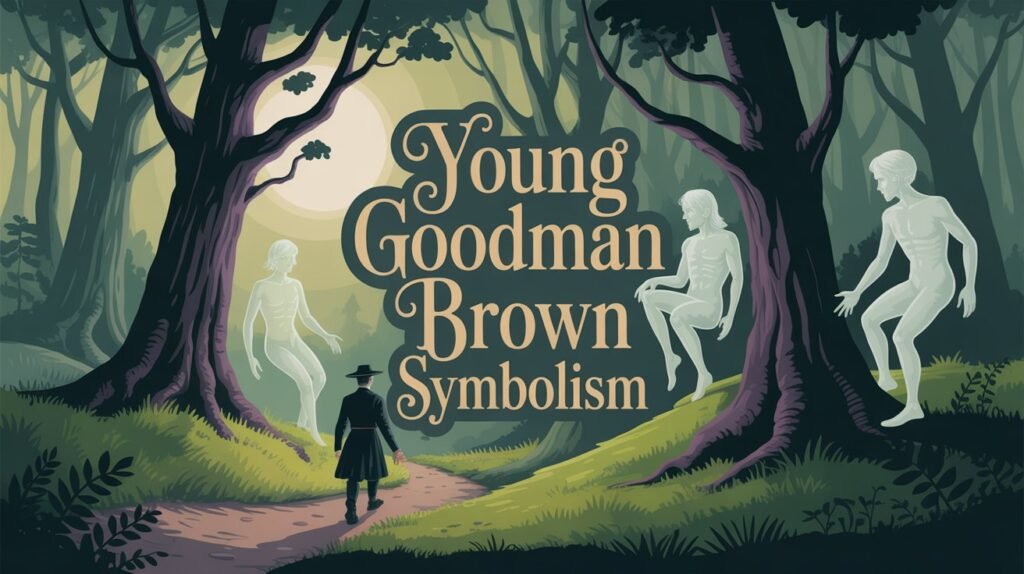
Hawthorne’s Young Goodman Brown is a masterful work of literary symbolism, using characters, setting, and events to convey deeper truths. Every element, from the forest to shadowy figures, functions as a metaphor for human morality and hidden sin. The story blends literal narrative with layered allegory, inviting readers to explore complex ethical questions.
The allegorical meaning reflects broader societal and spiritual themes, including hypocrisy, temptation, and the duality of human nature. Goodman Brown’s journey mirrors the universal struggle between good and evil within the self. Through its symbolism, the story illuminates the consequences of moral choices and the fragility of faith.
Spiritual Symbolism
Young Goodman Brown is deeply rooted in spiritual symbolism, exploring the conflict between faith and doubt. The forest represents the trials of the soul, where temptation and moral testing challenge inner conviction. Every encounter mirrors a spiritual struggle within the human heart.
Faith, Goodman Brown’s wife, embodies unwavering purity and divine guidance. Her presence highlights the contrast between spiritual steadfastness and the seductive power of sin. The dark figures symbolize forces that threaten the soul’s integrity and moral clarity.
The story illustrates the journey of spiritual awakening and self-discovery. It reminds readers that confronting evil, temptation, and doubt is essential for personal growth. Ultimately, Hawthorne portrays faith as both fragile and transformative in the face of life’s moral challenges.
Young Goodman Brown in Modern Culture
Young Goodman Brown continues to influence literature, film, and art, inspiring modern interpretations of morality and human nature. Its themes of temptation, hypocrisy, and spiritual struggle remain relevant in contemporary storytelling. Creators often draw on Hawthorne’s allegory to explore hidden truths in society.
The story’s symbolism resonates in psychology and dream analysis, reflecting universal human fears and moral dilemmas. Modern audiences connect with Goodman Brown’s journey as a metaphor for personal growth and self-awareness. Its moral complexity encourages reflection on ethics, faith, and trust in others.
In popular culture, references to forests, shadowy figures, and moral tests echo Hawthorne’s narrative. The tale serves as a framework for examining societal pressures and inner conflicts. Young Goodman Brown endures as a timeless lens through which contemporary issues are explored and understood.
Symbolism in Dreams
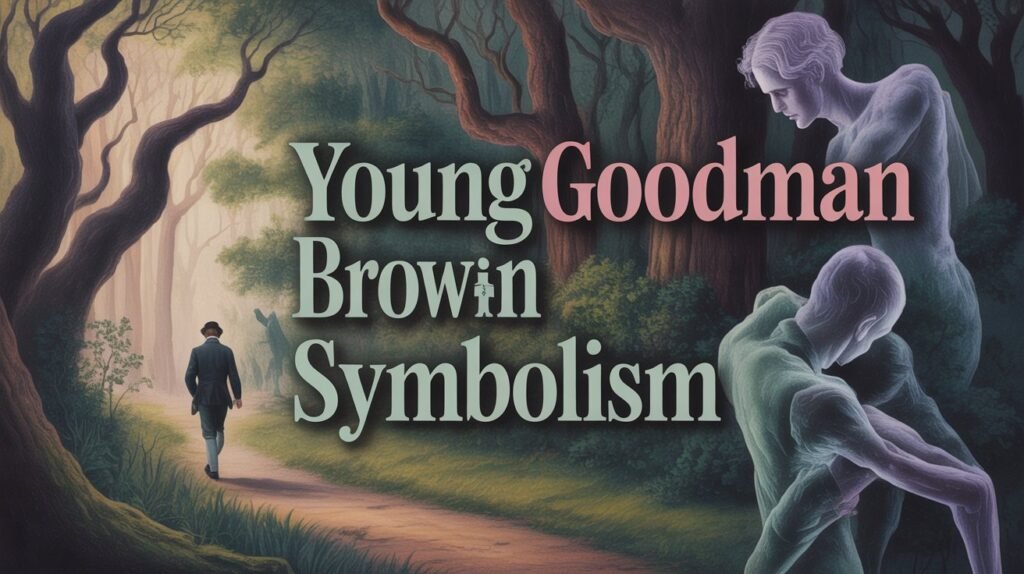
Dreams often reflect the symbolic journey found in Young Goodman Brown. Entering a dark forest in a dream can indicate facing hidden fears, moral uncertainty, or personal temptations. The subconscious uses these images to reveal inner conflicts and unresolved emotions.
Characters in dreams, like a virtuous figure or shadowy presence, may symbolize conscience, suppressed desires, or guidance. Just as Goodman Brown encounters temptation and doubt, dream figures can mirror struggles between right and wrong. They act as metaphors for choices we face in waking life.
This story parallels the archetypal journey of the psyche navigating moral challenges. Dreams inspired by its themes encourage self-reflection, awareness, and personal growth. Ultimately, they invite insight into the balance between faith, fear, and inner understanding.
Lessons and Life Philosophy
Young Goodman Brown teaches critical lessons:
- The importance of discernment in human relationships.
- How exposure to hypocrisy can challenge faith.
- The necessity of moral vigilance to maintain integrity.
- Awareness that temptation is universal, but choice defines character.
FAQs on Young Goodman Brown Symbolism
What does the forest symbolize in Young Goodman Brown?
It symbolizes moral ambiguity, temptation, and the unknown parts of the human soul.
Who does Faith represent?
Faith embodies purity, morality, and spiritual steadfastness.
Why is Goodman Brown’s journey an allegory?
It mirrors the moral and spiritual trials that every individual faces in life.
What do the dark figures signify?
They represent hidden desires, evil, and societal hypocrisy.
What is the overall message of the story?
That exposure to evil can shatter innocence and challenge personal faith, but moral awareness remains essential.
Why does Goodman Brown lose trust in his community?
Seeing respected townspeople involved with evil reveals hypocrisy, showing that appearances can be deceiving.
What role does color play in the story?
Colors symbolize moral states—dark tones for evil and corruption, lighter tones for innocence and faith.
How does Hawthorne use events to convey symbolism?
Key events, like the midnight forest meeting, represent moral testing, fear, and spiritual revelation.
Can Young Goodman Brown be interpreted spiritually?
Yes, it reflects the tension between faith and doubt, illustrating the soul’s struggle with temptation.
How is the story relevant in modern times?
Its themes of moral ambiguity, societal hypocrisy, and personal struggle continue to resonate today.
Conclusion
Young Goodman Brown continues to resonate as a profound study of morality, faith, and the human condition. Hawthorne’s use of symbolism highlights the tension between innocence and temptation, light and darkness. Readers are invited to examine the hidden complexities within themselves and society.
The story’s allegorical journey reminds us that confronting doubt and temptation is a universal experience. Characters, colors, and events serve as mirrors to our own moral and spiritual challenges. It underscores the fragile nature of trust, belief, and ethical integrity.
Ultimately, Young Goodman Brown endures as a timeless literary and spiritual work. Its lessons encourage reflection on human nature, moral choices, and the consequences of our actions. The tale remains a guiding allegory for understanding temptation, hypocrisy, and personal growth.