Japanese Animals Symbolism: Meanings of the Fox, Koi, Crane, Tanuki, and Lucky Cat
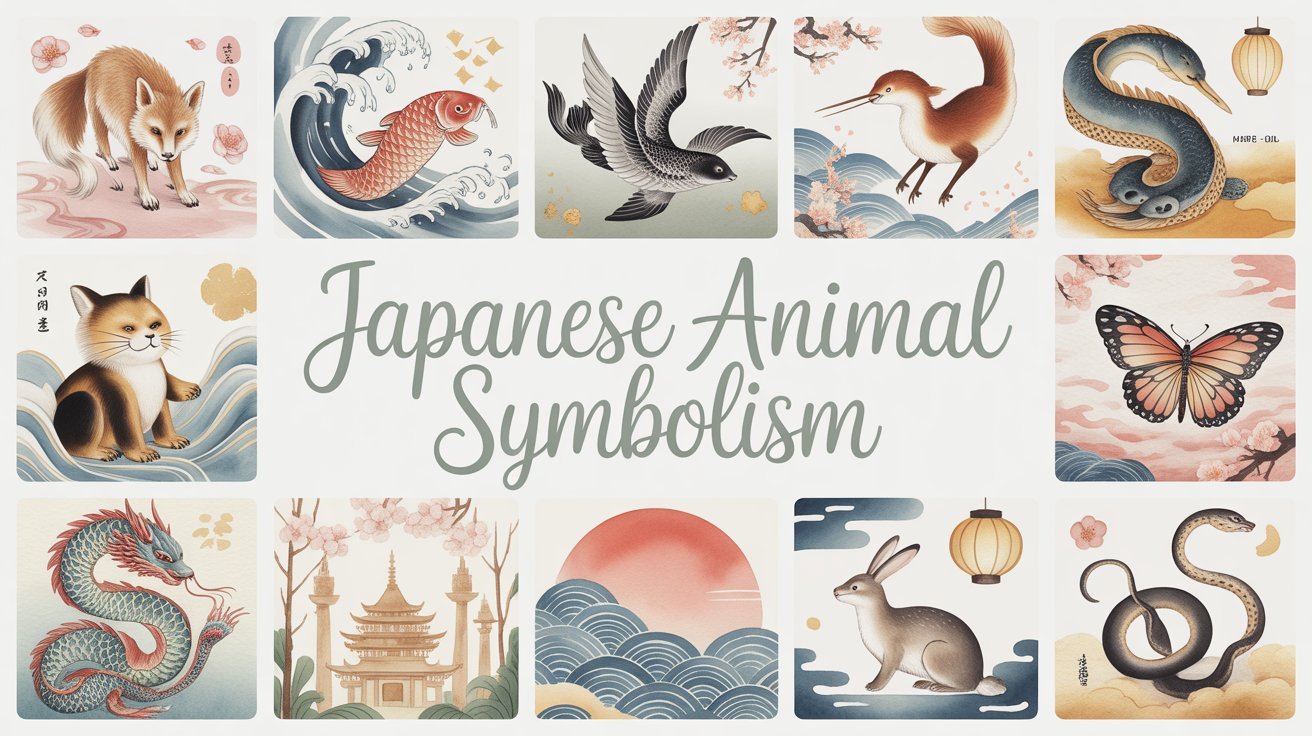
Japanese culture is rich with symbolism, where animals are not just creatures of nature but powerful spiritual messengers woven into folklore, art, and everyday life. From ancient myths to modern decorations, each animal carries layers of meaning that reflect human emotions, values, and destiny. These symbolic animals often appear in temples, paintings, and even business spaces, guiding people toward luck, protection, and transformation.
Among the most fascinating figures are the mystical fox, the resilient koi fish, the graceful crane, the playful tanuki, and the iconic lucky cat. Each of these animals holds a unique place in Japanese belief systems, blending Shinto spirituality, Buddhist philosophy, and centuries-old storytelling traditions. Their meanings go far beyond superstition—they represent wisdom, perseverance, prosperity, and harmony with the unseen world.
What makes Japanese animal symbolism especially compelling is how deeply it connects with everyday life. You might find these creatures painted on ceramics, carved into shrines, or placed at the entrance of shops to attract fortune. Whether someone seeks love, success, longevity, or protection, these animals serve as gentle reminders of life’s deeper spiritual currents.
Dragon (Ryū)
In Japanese symbolism, the dragon—known as Ryū—is a revered creature of immense power, wisdom, and divine protection. Unlike the fire-breathing monsters of Western lore, the Japanese dragon is seen as a benevolent force, often associated with water, rain, and the life-giving energy of nature. It is believed to control rivers, seas, and storms, making it a guardian of balance and harmony.
The Ryū is deeply connected to spiritual authority and transformation, often appearing in temples, shrines, and traditional art as a symbol of strength guided by wisdom. In both Shinto and Buddhism traditions, dragons are protectors of sacred spaces and treasures, representing enlightenment, protection from evil, and the flow of universal energy. Their serpentine form reflects adaptability, reminding us to move fluidly through life’s challenges.
Spiritually, the dragon embodies ambition, courage, and higher purpose. It is often seen as a sign of good fortune and success, especially for those who are willing to embrace change and rise above limitations. When the image of a Ryū appears in your life—whether in dreams, art, or symbolism—it can be a powerful reminder to harness your inner strength and align yourself with a greater path of growth and transformation.
Cat (Maneki-neko)
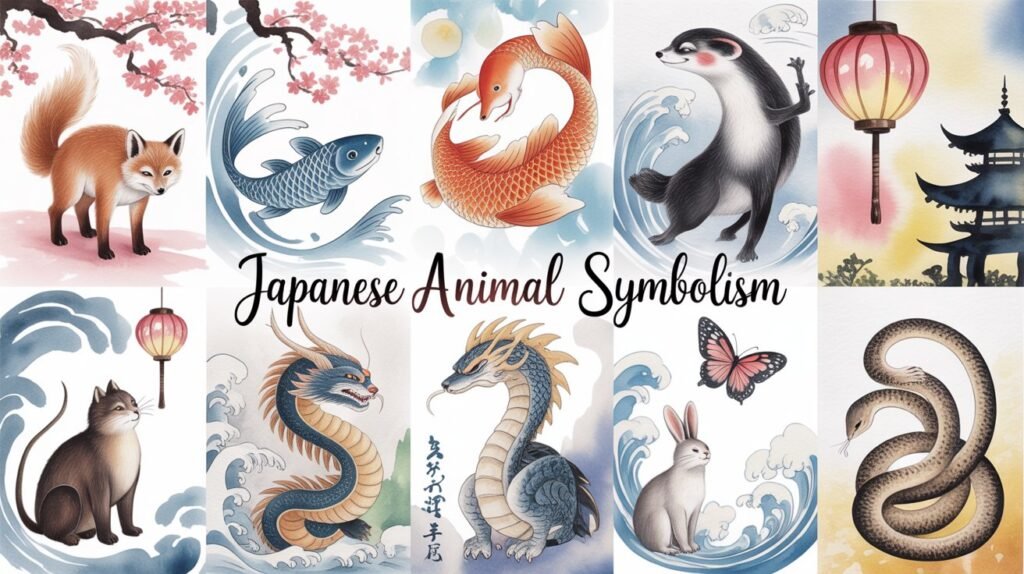
The Maneki-neko, or “beckoning cat,” is one of Japan’s most recognizable symbols of luck, prosperity, and welcoming energy. Often displayed at the entrances of shops, restaurants, and homes, this charming cat raises one paw as if inviting good fortune and positive opportunities inside. Its presence is believed to attract customers, wealth, and success, making it a beloved figure in both traditional and modern settings.
Different features of the Maneki-neko carry specific meanings. A raised right paw is said to attract money and financial luck, while the left paw invites people and relationships. The colors also matter—white symbolizes purity, gold represents wealth, and black is believed to ward off evil spirits. Many statues include a coin, often linked to the Edo period koban coin, reinforcing its connection to prosperity and abundance.
Spiritually, the Maneki-neko represents gratitude, optimism, and the power of intention. It serves as a gentle reminder that fortune often flows toward those who remain open, kind, and receptive. Whether placed in a business or a personal space, this symbolic cat encourages a mindset of welcome—inviting not just material success, but also harmony and positive energy into one’s life.
Crane (Tsuru)
The crane (Tsuru) is a powerful symbol of longevity, fidelity, and peace in Japanese culture. Revered for its elegance and grace, it often appears in art, textiles, and origami, embodying wishes for a long and harmonious life. Cranes are also associated with renewal and hope, making them a cherished motif during celebrations and ceremonies.
In Japanese folklore, cranes are believed to mate for life, symbolizing loyalty, devotion, and strong family bonds. They are commonly featured in wedding decorations and gifts, representing enduring love and unity. Their majestic presence conveys not just beauty, but also spiritual purity and commitment.
Spiritually, the Tsuru is a messenger of good fortune and protection, guiding people toward clarity and inner peace. Folding a thousand origami cranes, known as Senbazuru, is said to grant wishes, promote healing, and bring blessings. The crane encourages patience, mindfulness, and the pursuit of a life filled with grace and virtue.
Koi Fish (Nishikigoi)
The koi fish (Nishikigoi) is a celebrated symbol of perseverance, strength, and ambition in Japanese culture. Known for swimming upstream against strong currents, the koi embodies courage and determination in the face of life’s challenges. Its vibrant colors and graceful movements make it a popular motif in gardens, tattoos, and art, representing both beauty and resilience.
In folklore, koi are often associated with transformation and success, as some legends tell of koi swimming upstream and leaping over waterfalls to become dragons. This story symbolizes the rewards of persistence, hard work, and overcoming obstacles. Koi are also linked to prosperity, good fortune, and personal growth, inspiring individuals to keep striving toward their goals.
Spiritually, the Nishikigoi reminds us to embrace challenges with patience and focus. It represents the flow of life, adaptability, and the pursuit of excellence. Whether depicted in ponds, paintings, or symbolic representations, the koi serves as a powerful emblem of determination, courage, and the transformative power of perseverance.
Turtle (Kame)
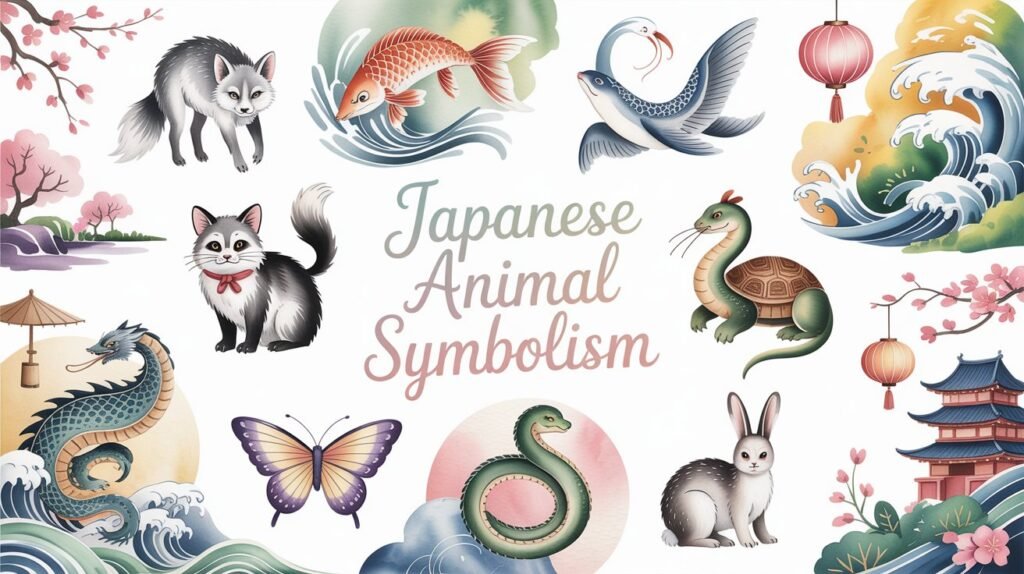
The turtle (Kame) is a revered symbol of longevity, stability, and wisdom in Japanese culture. Its slow, steady movements and long lifespan make it a natural emblem of patience and enduring life. Often featured in art, folklore, and temple carvings, the turtle embodies balance and protection.
In Japanese mythology, the turtle is linked to the divine and the cosmos, believed to carry the world on its back or serve as a messenger of the gods. It represents steadfastness, resilience, and the quiet strength needed to overcome life’s challenges. Turtles are also associated with good fortune, health, and spiritual guidance.
Spiritually, the Kame encourages a mindful, measured approach to life. Its presence reminds us to honor our journey, cultivate wisdom, and nurture both body and soul. As a symbol, the turtle offers protection, stability, and a sense of calm, inspiring longevity and harmonious living.
Fox (Kitsune)
- The fox (Kitsune) is a highly revered and mystical creature in Japanese folklore, often depicted as intelligent, magical, and shape-shifting.
- Kitsune are believed to serve as messengers of Inari, the god of rice, fertility, and prosperity, granting protection and blessings.
- They are known for their cunning and wisdom, capable of transforming into humans to teach lessons or deliver guidance.
- Depending on the story, Kitsune can be both benevolent, bringing luck and protection, or mischievous, using their powers to trick or challenge people.
- The number of tails a Kitsune has—up to nine—represents its age, wisdom, and magical power, with nine-tailed foxes being especially powerful.
- In art and culture, Kitsune are often shown with a fox mask or carrying a magical jewel, symbolizing intelligence, transformation, and spiritual insight.
Bear (Kuma)
The bear (Kuma) is a symbol of strength, courage, and protection in Japanese culture. Known for its powerful presence and solitary nature, the bear embodies resilience and the ability to face challenges with confidence. It often appears in folklore and regional art as a guardian and a figure of respect.
In mythology, the Kuma is associated with the natural world, representing harmony with forests, mountains, and rivers. Bears are seen as wise and nurturing, teaching lessons about patience, survival, and balance. Their protective instincts extend to family and community, emphasizing loyalty and care.
Spiritually, the bear encourages inner strength and self-reliance while reminding us to respect nature and its rhythms. It symbolizes grounding, stability, and the courage to confront fears. As a cultural emblem, the Kuma inspires perseverance, protection, and a deep connection to the earth.
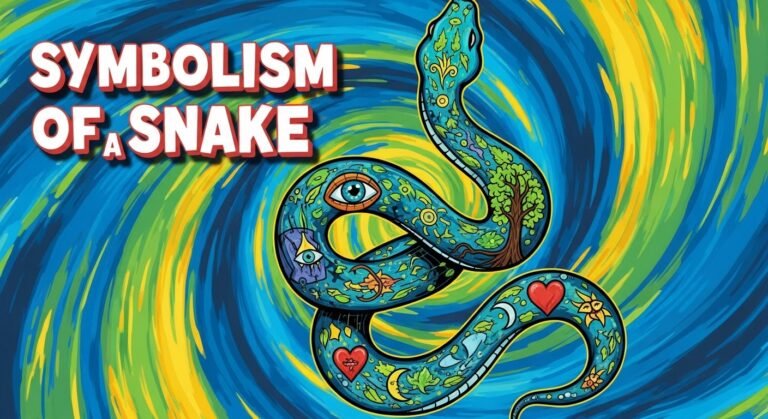
Snake (Hebi)
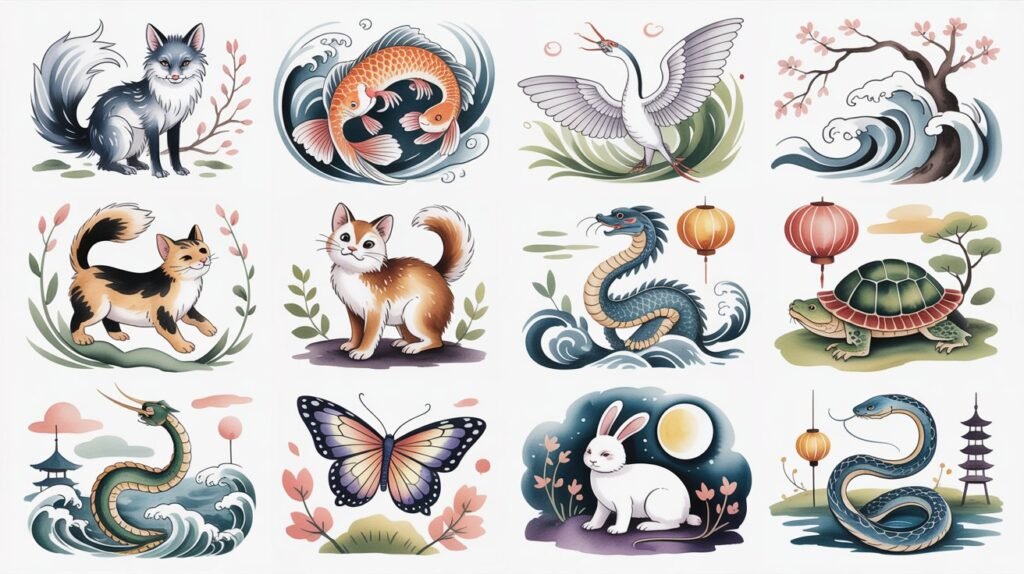
The snake (Hebi) is a potent symbol in Japanese culture, representing transformation, renewal, and hidden wisdom. Often associated with the cycles of life, it embodies adaptability and the power to shed the old and embrace new beginnings. Snakes appear frequently in folklore, art, and religious iconography as guides through change and spiritual growth.
In mythology, the Hebi is linked to both protection and caution, sometimes serving as a guardian of treasures or sacred spaces. It symbolizes fertility, immortality, and the delicate balance between danger and blessing. The snake’s elusive nature makes it a symbol of intuition, cleverness, and unseen forces at work.
Spiritually, the Hebi encourages self-awareness, renewal, and personal transformation. Its presence reminds us to release what no longer serves us and to trust our instincts. In Japanese symbolism, the snake is a profound emblem of resilience, insight, and the ever-changing flow of life.
Butterfly (Chōchō)
The butterfly (Chōchō) is a cherished symbol of transformation, beauty, and the fleeting nature of life in Japanese culture. Its delicate wings and graceful flight embody the soul’s journey and the continuous process of growth and change. Butterflies often appear in art, kimono patterns, and seasonal motifs as emblems of elegance and renewal.
In folklore, the Chōchō represents rebirth, joy, and the presence of departed souls. It is sometimes seen as a messenger between the spiritual and physical worlds, bringing guidance, hope, and blessings. The butterfly’s metamorphosis from caterpillar to winged creature highlights resilience and the potential for personal evolution.
Spiritually, the Chōchō encourages embracing change with grace and optimism. Its fleeting beauty reminds us to cherish each moment and approach life with lightness and awareness. As a cultural symbol, the butterfly inspires transformation, freedom, and the celebration of life’s delicate wonders.
Rabbit (Usagi)
The rabbit (Usagi) is a beloved symbol of fertility, abundance, and cleverness in Japanese culture. Known for its gentle nature and quick movements, the rabbit represents agility, intuition, and resourcefulness. It frequently appears in folklore, seasonal festivals, and lunar myths, reflecting both innocence and wisdom.
In Japanese mythology, the Usagi is famously linked to the moon, where it is said to pound mochi (rice cakes) with a mortar and pestle. This connection symbolizes prosperity, creativity, and the cyclical rhythms of life. Rabbits also embody family bonds, nurturing, and the ability to adapt to changing circumstances.
Spiritually, the Usagi encourages patience, mindfulness, and attentiveness to life’s subtle rhythms. Its presence signifies good fortune, growth, and gentle guidance in overcoming challenges. As a cultural emblem, the rabbit inspires harmony, abundance, and a playful yet thoughtful approach to life.
FAQ on Japanese Animal Symbolism
What does a Kitsune symbolize in Japan?
The Kitsune (fox) represents intelligence, cunning, and spiritual guidance. It can be both a protector and a trickster in folklore.
Why is the crane considered lucky?
The Tsuru (crane) symbolizes longevity, peace, and fidelity. Folding 1,000 origami cranes is believed to grant wishes and blessings.
What does the Maneki-neko do?
The Maneki-neko (beckoning cat) attracts luck, prosperity, and customers when placed at homes or business entrances.
Are koi fish symbols of perseverance?
Yes, Nishikigoi (koi fish) represent courage, determination, and the ability to overcome challenges in life.
Why are turtles important in Japanese culture?
The Kame (turtle) symbolizes longevity, stability, and wisdom, often seen as a protector and a guide in spiritual life.
What does the butterfly symbolize?
The Chōchō (butterfly) represents transformation, rebirth, and the soul’s journey, highlighting beauty and personal growth.
Why is the bear respected in Japan?
The Kuma (bear) embodies strength, courage, and protection, teaching resilience and respect for nature.
What does the rabbit signify?
The Usagi (rabbit) symbolizes fertility, abundance, intuition, and creativity, often connected to lunar myths.
How is the snake viewed in Japanese symbolism?
The Hebi (snake) represents transformation, renewal, hidden wisdom, and spiritual guidance through life’s challenges.
Are dragons considered benevolent in Japan?
Yes, Ryū (dragons) are seen as wise and protective, controlling water and weather, and symbolizing strength and good fortune.
Conclusion
Japanese animal symbolism offers profound insights into life, spirituality, and human nature. Each creature—from the cunning Kitsune to the graceful Tsuru—carries lessons of wisdom, perseverance, and harmony.
These symbols are deeply embedded in art, folklore, and daily life, reminding us of virtues like courage, patience, and resilience. They serve as both spiritual guides and cultural treasures.
Understanding these meanings can enrich personal reflection, creative expression, and even decision-making in business or home life. They inspire mindfulness, respect for nature, and connection to ancestral wisdom.
By embracing these symbolic animals, we not only honor Japanese culture but also invite their positive energies—luck, protection, and transformation—into our own lives.