Horses Symbolism: Spiritual, Cultural, Biblical, and Modern Meanings
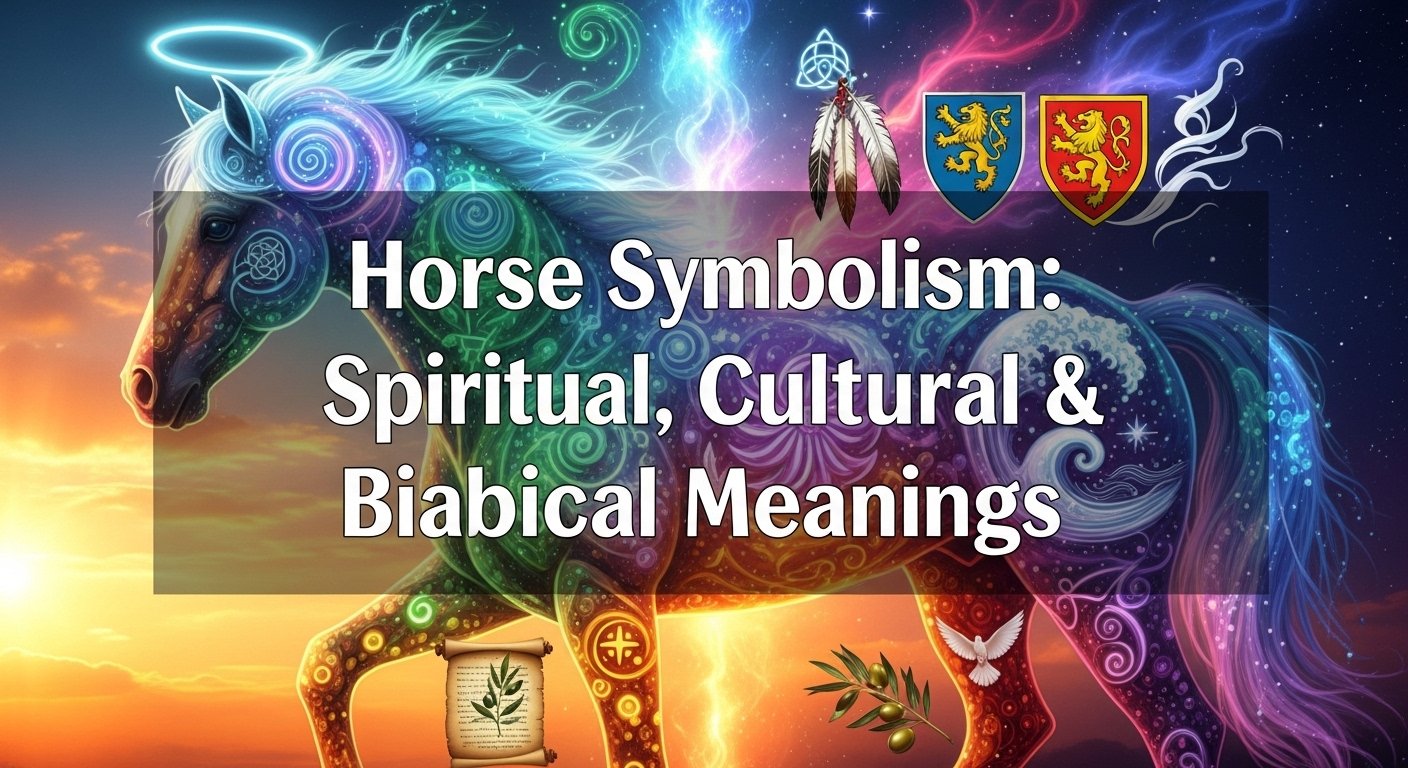
Horses have captivated humans for millennia, symbolizing freedom, power, and grace. Beyond their beauty, horses carry deep spiritual, cultural, and psychological significance across mythology, religion, and modern symbolism. Whether you dream of a horse, encounter one in art, or feel a connection to them in your life, their meanings offer guidance, inspiration, and wisdom.
Natural Traits of the Horse and Their Symbolism
Horses are symbols of freedom, power, confidence, and elegance. A wild horse represents independence and liberation, while a domesticated horse often symbolizes trust, loyalty, and partnership. Their strength, stamina, and social bonds make them ideal representations of both individual power and teamwork.
- Freedom and independence: Galloping horses embody liberation and the pursuit of personal goals.
- Power and strength: Horses’ muscular build and endurance reflect courage and resilience.
- Grace and elegance: Their movement and posture often inspire admiration and aesthetic appreciation.
Horses in Ancient Cultures and Mythology
Horses in Greek Mythology
Greek mythology portrays horses as powerful and sometimes divine. The centaur, half-human and half-horse, represents the balance between human intellect and animal instinct. Pegasus, the winged horse, symbolizes inspiration, imagination, and transcendence.
Horses in Norse Mythology
In Norse legends, Sleipnir, Odin’s eight-legged horse, represents swiftness, wisdom, and the bridge between the mortal world and the spiritual realm. Horses were also seen as guides to the afterlife and symbols of warrior strength.
Horses in Celtic Tradition
The Celtic goddess Epona protected horses and symbolized fertility, luck, and the journey of souls. Horses in Celtic lore often brought good fortune and were honored in festivals and art.
Horses in Native American Symbolism
Many Native American tribes revered horses as spiritual allies. They were considered links to the supernatural, often appearing in visions and ceremonial practices. Horses represented freedom, loyalty, and spiritual guidance.
Horses in Hinduism and Buddhism
In Hinduism, the horse symbolizes energy, loyalty, and power. In Buddhist teachings, the horse represents spiritual effort, the journey toward enlightenment, and the harnessing of inner strength.
Biblical and Christian Symbolism of Horses
Horses in the Bible are often depicted as brave companions. In Job 39, horses are described as fearless, energetic, and majestic creatures.
- Courage and companionship: Horses are shown as loyal allies in battle and life.
- End Times symbolism: The Four Horsemen of the Apocalypse in Revelation each represent key forces:
- White horse: Purity, Christ, or sometimes the antichrist
- Red horse: War
- Black horse: Famine
- Pale horse: Death
Spiritual Symbolism of Horses
Horses encourage self-actualization and inner freedom. They balance independence with responsibility, teaching lessons about courage, loyalty, and personal growth. As spirit guides, horses remind us to honor both our adventurous spirit and our duties toward others.
- Freedom and liberation: Wild horses reflect personal independence and breaking free from limitations.
- Self-actualization: Horses guide us to embrace both solitude and connection with others.
- Courage and confidence: Observing or interacting with horses can inspire bravery in decision-making and self-expression.
Symbolism of Horse Colors
The color of a horse often adds layers of meaning:
- White horse: Purity, spirituality, and victory
- Black horse: Mystery, strength, and the unknown
- Red horse: Passion, energy, and conflict
- Brown horse: Stability, grounding, and reliability
Horses in Literature and Poetry
From classical epics to modern novels, horses have symbolized freedom, heroism, and loyalty. Writers often use horses to reflect characters’ inner strength or their journey toward self-discovery.
Horses in Art and Iconography
Horses appear in ancient cave paintings, Renaissance art, and contemporary works. They are commonly used to express movement, power, and beauty, reflecting their symbolic and aesthetic significance.
Horses in Tattoos and Modern Symbolism
Modern symbolism often celebrates horses for their independence, beauty, and spiritual resonance. Horse tattoos can signify freedom, personal strength, or a spiritual connection to nature and adventure.
Horses in Weddings and Celebrations
Horses have historically symbolized prosperity, success, and noble status in ceremonies. From royal processions to wedding traditions, their presence evokes elegance, luck, and celebration.
Symbolism of Horses in Dreams
Riding a Horse
Dreaming of riding a horse suggests success and control. You may be mastering challenges, harnessing personal power, or cultivating supportive relationships.
Stationary Horse
A still horse in a dream signals reflection, careful planning, or rest. Pause to evaluate your next steps or recharge before continuing on your journey.
Life Lessons and Philosophy from Horses
Horses teach balance: between freedom and responsibility, solitude and companionship, and instinct and intellect. Observing horses can inspire mindfulness, courage, and appreciation for life’s rhythm and beauty.
Modern Applications of Horse Symbolism
Today, horses continue to inspire art, therapy, sport, and personal growth. Equine-assisted therapies leverage the horse’s calm, powerful presence to teach emotional regulation, confidence, and trust. Horses also remain symbols in popular culture, fashion, and spiritual practices.
Frequently Asked Questions (FAQ)
Q: What does a horse symbolize spiritually?
A: Freedom, power, confidence, self-actualization, and courage.
Q: What does it mean if you see a horse?
A: It’s a sign of strength, independence, and trust in your path.
Q: Why do horses appear in dreams?
A: They reflect your personal power, current challenges, or the need for reflection and decision-making.
Conclusion
Horses are more than majestic animals—they are symbols of freedom, power, courage, and spiritual guidance. Whether through mythology, dreams, art, or personal experiences, they remind us to balance independence with responsibility and to approach life with confidence, grace, and purpose.