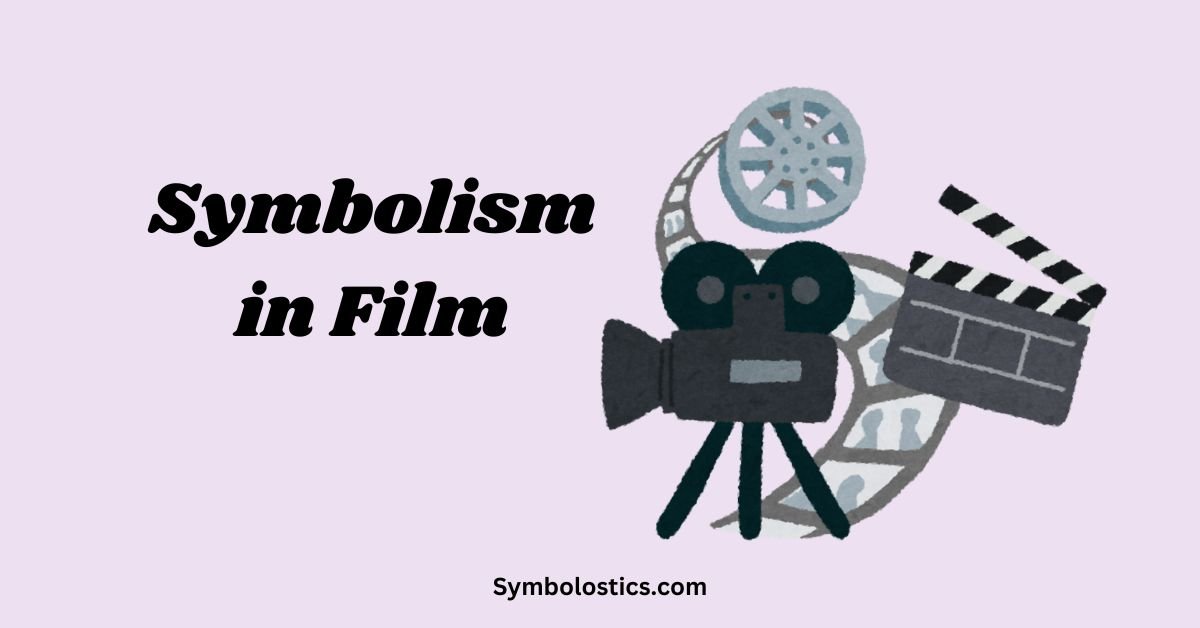
Symbolism in Film: How Hidden Meanings Shape Movies and Storytelling
Movies speak to audiences through more than dialogue and action. Every frame can contain hidden messages that reveal emotions, themes, and character journeys. A simple object, color, or setting may represent an idea much larger than its literal meaning.
This storytelling technique is called symbolism. It allows filmmakers to communicate complex concepts visually and emotionally. Whether it is a broken mirror representing identity loss or a storm signaling emotional turmoil, symbols create layers that make films richer and more memorable.
From classic Hollywood productions to modern streaming series, symbolism remains one of cinema’s most powerful creative tools.
What Is Symbolism in Film?
Symbolism in film is the use of images, sounds, characters, objects, or actions to represent deeper meanings. Instead of directly explaining an idea, filmmakers use symbols to encourage viewers to discover meaning for themselves.
For example:
- A closed door may symbolize missed opportunities.
- A butterfly often represents transformation.
- Fire can symbolize destruction and rebirth.
- A clock may represent mortality and the passage of time.
Because film is a visual medium, symbolism helps communicate ideas in ways that dialogue alone cannot.
The Psychology Behind Film Symbolism
Human beings naturally associate images with emotions and ideas. Certain visuals trigger feelings almost instantly because they are connected to cultural experiences and universal patterns.
Dark clouds often create feelings of tension or sadness. Sunrise scenes typically inspire hope and renewal. Even before audiences consciously understand these meanings, they respond emotionally to them.
This psychological response is one reason symbolism remains so effective in storytelling.
How Audiences Recognize Symbols Without Realizing It
Most viewers notice symbolism subconsciously. They may not immediately understand why a particular scene feels emotional, but symbols often influence their reactions.
Repeated imagery gradually gains meaning throughout a film.
For example:
- Repeated shots of birds may suggest a character’s desire for freedom.
- Frequent use of mirrors can indicate an identity struggle.
- Constant rain may symbolize grief or emotional cleansing.
Because symbols work beneath the surface, they often leave lasting impressions.
The Evolution of Symbolism From Silent Films to Modern Cinema
During the silent movie era, directors relied heavily on symbolism because they could not use dialogue to explain emotions and themes.
Early filmmakers used:
- Shadows to symbolize danger
- Light to symbolize hope
- Stairs to represent ambition
- Weather to express emotional states
Modern cinema has expanded symbolic storytelling through advanced lighting, digital effects, and sophisticated production design. Today’s filmmakers can create highly detailed symbolic worlds that reward repeat viewing.
Why Directors Prefer Symbolic Storytelling Over Direct Explanations
Direct exposition can sometimes feel forced. Symbolism allows audiences to participate in interpreting the story.
Directors use symbolism because it:
- Creates emotional depth
- Makes stories more memorable
- Encourages audience engagement
- Builds visual identity
- Adds multiple layers of meaning
- Generates discussion and interpretation
Films with rich symbolism often remain culturally relevant for decades.
How Screenwriters Build Symbolic Themes
Screenwriters usually begin with a central idea or theme and then create symbols that reinforce it throughout the narrative.
A story about freedom might use:
- Open landscapes
- Birds in flight
- Keys and unlocked doors
A story about isolation may feature:
- Empty roads
- Desert settings
- Cold color palettes
- Abandoned buildings
The most effective symbols feel natural and emerge repeatedly during the story.
Types of Symbolism in Film
Visual Symbolism
Visual symbolism uses imagery to communicate deeper meaning.
Examples include:
- Broken windows
- Falling leaves
- Empty rooms
- Long shadows
Color Symbolism
Colors significantly influence audience emotions.
Examples:
- Red = love, danger, passion
- Blue = sadness, calmness
- Green = growth, envy
- Black = mystery, power
- White = innocence or emptiness
Object Symbolism
Objects often become symbolic because they repeatedly appear throughout a story.
Examples:
- Keys
- Photographs
- Watches
- Letters
- Rings
Character Symbolism
Some characters represent larger concepts.
Examples:
- The mentor symbolizes wisdom.
- The hero symbolizes courage.
- The trickster symbolizes chaos.
Animal Symbolism
Animals frequently reflect human emotions and instincts.
Examples:
- Wolves = survival
- Owls = wisdom
- Butterflies = transformation
- Crows = mystery
Religious Symbolism
Many films borrow spiritual imagery.
Examples:
- Crosses
- Light beams
- Trees
- Water
- Sacrificial imagery
Environmental Symbolism
Natural environments often carry emotional meaning.
Examples:
- Forests = mystery
- Oceans = freedom
- Mountains = achievement
- Storms = conflict
Sound and Music Symbolism
Sounds can become symbolic through repetition.
Examples:
- Ringing bells
- Recurring songs
- Children’s laughter
- Complete silence
Object Symbolism in Movies
Objects often become some of cinema’s most memorable symbols because they are tangible and easy to recognize.
A photograph can represent memory and loss. A wedding ring may symbolize love and commitment. A locked diary often represents secrets.
In many films, ordinary objects gain extraordinary meaning because they become connected to a character’s emotional journey.
Successful object symbolism works because viewers gradually attach emotional significance to these items.
Symbolism Through Camera Angles and Cinematography
Camera placement itself can function symbolically.
High-Angle Shots
These shots often make characters appear weak, vulnerable, or powerless.
Low-Angle Shots
Low angles frequently symbolize authority, dominance, or intimidation.
Wide Shots
Wide shots may symbolize loneliness or emotional distance.
Close-Ups
Close-ups often emphasize emotional intensity and internal conflict.
Through cinematography, filmmakers communicate meaning without using words.
Lighting Symbolism in Film
Light and shadow have symbolic meaning in nearly every genre.
Bright Light
Often represents truth, hope, or innocence.
Darkness
Frequently symbolizes fear, uncertainty, or hidden secrets.
Silhouettes
Can suggest mystery and moral ambiguity.
Flickering Light
May symbolize instability or emotional confusion.
Lighting subtly shapes audience interpretation throughout a film.
Costume and Clothing Symbolism in Movies
Costumes reveal personality and character development.
A character dressed entirely in black may appear mysterious or threatening. White clothing can suggest innocence or emotional distance.
Wardrobe changes often symbolize transformation.
For example:
- A hero’s new costume may symbolize confidence.
- Torn clothing may represent hardship.
- Uniforms often symbolize social expectations.
Costumes frequently tell stories before characters even speak.
Symbolism Through Film Locations and Settings
Settings are rarely chosen by accident.
Common symbolic locations include:
| Setting | Possible Meaning |
|---|---|
| Forest | Mystery and transformation |
| Ocean | Freedom and uncertainty |
| School | Identity and belonging |
| Hospital | Vulnerability |
| Desert | Isolation and self-discovery |
| City | Pressure and opportunity |
Locations help reinforce the emotional atmosphere of a story.
Why Symbolism Makes Movies More Memorable
People often forget dialogue but remember images.
A spinning object, a red flower, an abandoned house, or a recurring song can stay in viewers’ minds for years.
Symbolism transforms entertainment into meaningful experiences because it invites audiences to participate in discovering hidden layers of meaning.
As filmmaking continues to evolve, symbolism remains one of cinema’s most powerful storytelling tools. Every color, object, sound, and setting has the potential to reveal emotions and ideas that words alone could never fully express.
Frequently Asked Questions
What is symbolism in film?
Symbolism in film is the use of objects, colors, sounds, characters, or settings to represent deeper meanings, emotions, and themes beyond their literal appearance.
Why is symbolism important in movies?
Symbolism adds emotional depth and hidden layers to stories. It helps filmmakers communicate complex ideas visually and encourages audiences to interpret meaning for themselves.
What are some examples of symbolism in films?
Common examples include rain symbolizing sadness, mirrors representing identity, birds symbolizing freedom, and clocks representing time and mortality.
How do directors use symbolism in movies?
Directors use recurring imagery, color schemes, objects, lighting, and settings to reinforce themes, reveal character emotions, and create memorable visual storytelling.
Is every object in a movie symbolic?
No. Some details exist purely for realism or style. However, repeated objects or visuals often suggest intentional symbolic meaning.
How can I identify symbolism while watching a movie?
Pay attention to recurring colors, objects, locations, sounds, and images. Consider how these elements connect to characters, emotions, and the story’s central themes.
Conclusion
Symbolism in film is one of cinema’s most powerful storytelling techniques. Through colors, objects, settings, sounds, and recurring imagery, filmmakers communicate ideas and emotions that dialogue alone cannot fully express. From classic Hollywood films to modern streaming releases, symbolism enriches narratives by adding depth and encouraging personal interpretation. Whether it is a red rose symbolizing desire or a storm representing inner conflict, symbols help make movies more memorable and meaningful. By learning to recognize symbolism, viewers can discover hidden layers that transform simple stories into rich and emotionally rewarding cinematic experiences.