Storm Symbolism: Powerful Meanings of Chaos, Emotion, and Transformation
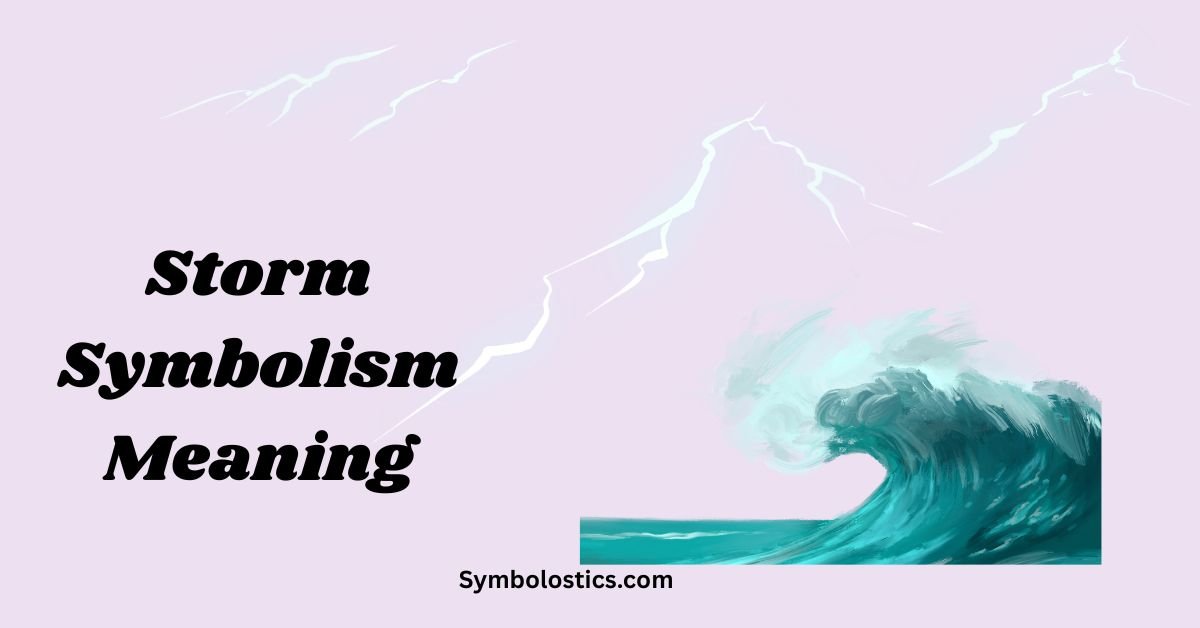
Storm symbolism represents some of the most powerful forces in nature and human emotion. Across literature, spirituality, religion, and everyday life, storms symbolize chaos, emotional release, transformation, divine power, and renewal. While storms can appear destructive, they often represent a necessary process of clearing, healing, and rebirth.
Below is a complete breakdown of storm symbolism across different contexts.
Storm symbolism in literature
In literature, storms are one of the most common symbolic devices used to reflect emotional intensity and turning points in a story.
Writers use storms to represent:
- Inner emotional conflict
- Major life changes
- Foreshadowing of tragedy or transformation
- Chaos within society or relationships
Famous literary examples:
- Shakespeare’s King Lear – The storm reflects Lear’s mental breakdown and inner chaos.
- Emily Brontë’s Wuthering Heights – Storms mirror emotional turbulence and destructive passion.
- William Golding’s Lord of the Flies – Storms symbolize loss of innocence and moral collapse.
Storms in literature are never random—they amplify the emotional and thematic depth of the story.
Storm symbolism spiritual
Spiritually, storms are powerful symbols of awakening and transformation. They often represent moments when life forces change, even if it feels uncomfortable.
Common spiritual meanings include:
- Spiritual cleansing and purification
- Awakening and enlightenment
- Breaking old energy patterns
- Divine intervention or guidance
A spiritual storm often represents a period where old beliefs, habits, or emotional burdens are being cleared to make space for growth.
Storm symbolism in life
In everyday life, storm symbolism reflects personal struggles and emotional transitions.
Storms in life often represent:
- Emotional overwhelm or stress
- Sudden changes or challenges
- Personal transformation periods
- Healing after hardship
Just like real storms, emotional storms in life are temporary—but they often lead to clarity and stronger resilience afterward.
Storm symbolism in the bible
In the Bible, storms are frequently used as symbols of divine power, testing, and spiritual awakening.
Biblical storm symbolism often represents:
- God’s authority over nature
- Judgment or correction
- Faith testing during hardship
- Divine presence in chaos
For example, storms in biblical stories often show that even chaos is under divine control, reinforcing faith and trust in God’s plan.
What does thunder symbolize spiritually
Spiritually, thunder is seen as a voice of power and awakening.
Thunder symbolism includes:
- Divine communication or warning
- Sudden spiritual realization
- Emotional release or breakthrough
- Inner truth being revealed
Many traditions view thunder as a sacred sound that signals change or divine presence.
Weather symbolism in literature
Weather symbolism in literature is used to reflect mood, emotion, and theme.
Different weather types symbolize different ideas:
- Sunshine → happiness, clarity, peace
- Rain → sadness, cleansing, renewal
- Fog → confusion or uncertainty
- Storms → chaos, conflict, transformation
Storms are the most intense form of weather symbolism because they combine multiple elements—wind, rain, lightning, and thunder—to represent emotional extremes.
Thunder symbolism
Thunder is one of the most powerful natural symbols in human culture.
Thunder commonly represents:
- Power and authority
- Fear and awe
- Sudden realization
- Emotional intensity
In mythology, thunder is often linked to gods of sky and power, reinforcing its association with divine strength and control.
Storm metaphor examples
Storm metaphors are widely used in language and writing to describe emotional experiences.
Common examples include:
- “She was going through an emotional storm.” → emotional chaos
- “A storm is brewing between them.” → rising conflict
- “He weathered the storm.” → survived hardship
- “Calm after the storm.” → peace after struggle
- “Storm of emotions.” → overwhelming feelings
These metaphors show how deeply storms are connected to human psychology and emotional expression.
Frequently Asked Questions (FAQs)
What is the symbolic meaning of storm?
A storm symbolizes chaos, emotional release, transformation, and major life change.
What is the symbol of storm?
The storm symbolizes conflict, power, renewal, and emotional intensity.
What is a storm spiritually?
Spiritually, a storm represents purification, awakening, and divine guidance during transformation.
What does stormy weather symbolize?
Stormy weather symbolizes emotional turmoil, uncertainty, and life transitions.
Why are storms used in literature?
Storms are used to reflect inner conflict, foreshadow events, and intensify themes.
What does thunder mean spiritually?
Thunder symbolizes divine communication, awakening, and powerful realization.
Is storm symbolism positive or negative?
It can be both—storms represent destruction but also renewal and growth.
What does rain in a storm symbolize?
Rain often symbolizes cleansing, sadness, or emotional release.
What does a storm dream mean?
Storm dreams reflect emotional stress, inner conflict, or transformation.
What does calm after a storm mean?
It symbolizes peace, clarity, and resolution after hardship.
Conclusion
Storm symbolism is a powerful representation of life’s most intense emotional and spiritual experiences. Whether in literature, religion, or everyday life, storms remind us that chaos often leads to clarity, and destruction often leads to renewal.
Every storm carries a deeper message: growth follows struggle.