June Bug Symbolism: Spiritual Meaning, Dreams, and Life Lessons
June bugs appear suddenly as summer begins. They fly toward porch lights, bump against windows, and circle in warm evening air. While many people see them as seasonal insects, different cultures and spiritual traditions attach deeper meaning to their presence.
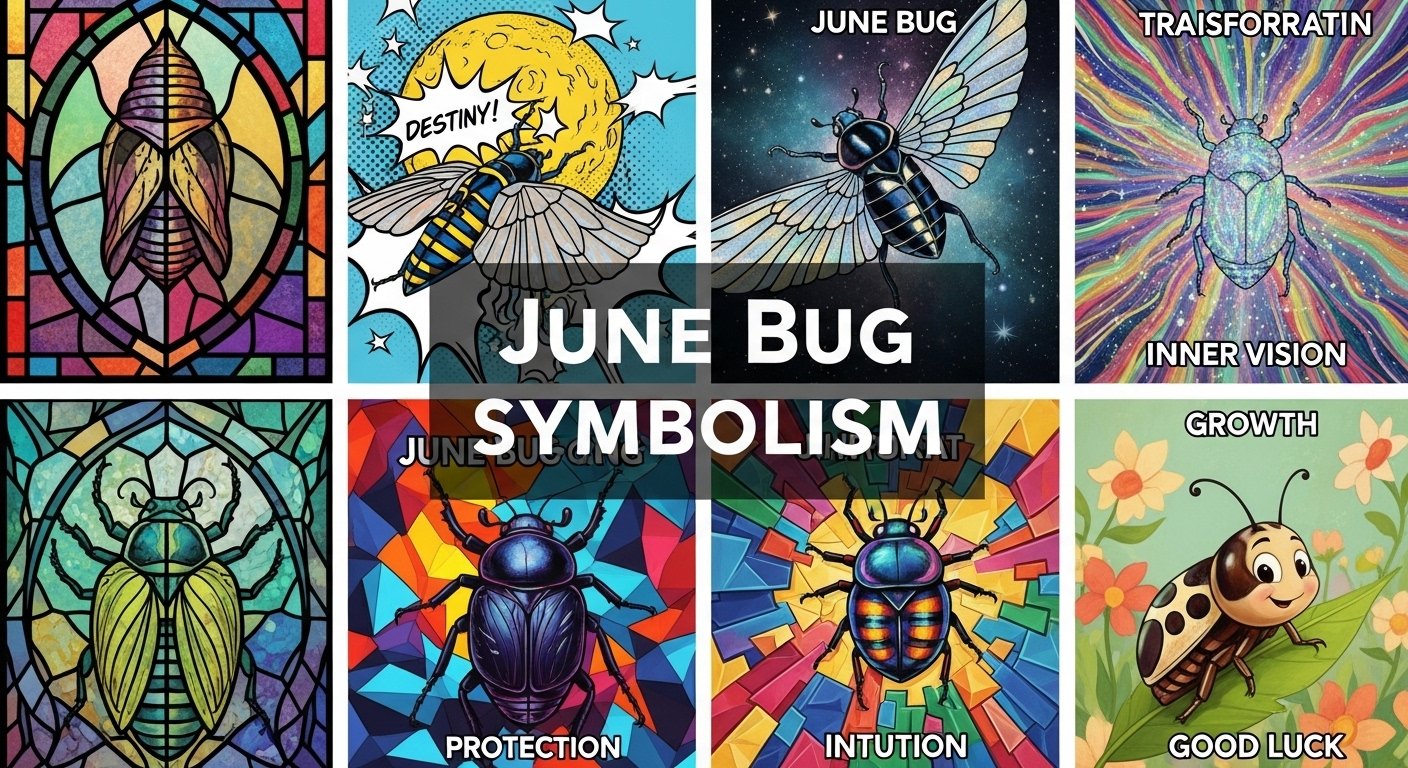
Across symbolic systems, the June bug represents transformation, attraction to light, persistence, vulnerability, and the tension between instinct and awareness. Its short seasonal appearance also connects it with cycles, timing, and the importance of acting within the right season of life.
This guide explores June bug symbolism through cultural, spiritual, psychological, and literary lenses while offering practical life insights grounded in symbolic interpretation.
Cultural Symbolism of June Bugs
June bugs belong to the scarab beetle family. Because of this biological connection, many symbolic interpretations overlap with the sacred beetle imagery of ancient civilizations.
In ancient Egypt, the scarab beetle symbolized rebirth and renewal through its association with the rising sun and cyclical movement. Although the June bug itself was not specifically worshipped, its resemblance to scarab beetles links it symbolically to transformation and renewal.
In European folklore, beetles often carried mixed symbolism. Some traditions saw them as signs of good harvests and fertile land because their emergence coincided with warm agricultural months. Others associated them with minor nuisance or stubbornness due to their clumsy flight patterns.
In North American rural culture, June bugs signal the arrival of summer. Their presence represents seasonal transition, outdoor gatherings, and longer days. Symbolically, they mark a shift from growth preparation to active flourishing.
Across these traditions, three themes consistently appear:
- Seasonal change
- Cyclical life patterns
- Persistence despite fragility
These themes shape modern symbolic interpretations.
Spiritual Symbolism of June Bugs
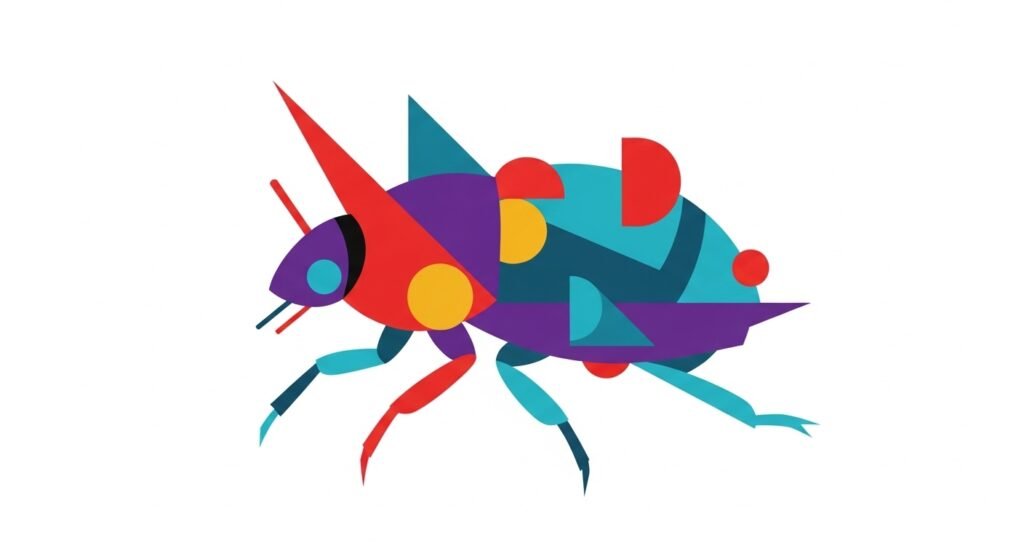
Spiritually, June bugs carry layered meaning connected to light, growth, and transformation.
Attraction to Light
June bugs fly toward artificial light sources at night. Spiritually, this behavior symbolizes the soul’s search for illumination. Light represents truth, awareness, higher consciousness, or divine guidance.
However, the June bug’s attraction to light can also symbolize distraction. It reminds individuals to distinguish between authentic spiritual light and superficial attraction. Not every shining object offers true clarity.
Transformation and Rebirth
Like many beetles, June bugs undergo complete metamorphosis. They begin as larvae underground before emerging as winged adults. This life cycle mirrors spiritual rebirth.
Their emergence from soil symbolizes rising from unconscious patterns into awareness. Spiritually, this reflects personal growth, healing, and the courage to step into visibility.
Vulnerability and Exposure
June bugs often appear awkward in flight. They collide with surfaces and struggle to navigate indoor spaces. Symbolically, this represents the vulnerability that accompanies growth.
When people step into new phases of life, they may feel unsteady. The June bug teaches that awkward beginnings do not invalidate transformation.
Timing and Seasons
June bugs appear for a limited time each year. Spiritually, this reflects divine timing. Some phases of life demand action, while others require preparation. The June bug symbolizes knowing when to emerge.
June Bugs in Religion and Myth
June bugs do not hold major roles in sacred texts, but beetles broadly appear in religious and mythological contexts.
In ancient Egyptian religion, scarab beetles symbolized rebirth and the solar cycle. The deity Khepri, associated with the rising sun, was depicted with a scarab head. Because June bugs belong to the same beetle family, modern spiritual interpretation often extends rebirth symbolism to them.
In the Bible, beetles are not prominently symbolic figures. However, insects collectively represent humility, smallness, and dependence on divine order. Within a Christian symbolic framework, a June bug can represent reliance on guidance, especially through its attraction to light as a metaphor for seeking spiritual truth.
In various Indigenous traditions across North America, insects symbolize environmental balance and interconnected life cycles. A June bug may represent harmony with seasonal rhythms and respect for nature’s timing.
Religiously, the June bug symbolizes:
- Renewal
- Alignment with divine cycles
- Humility
- Trust in natural order
June Bug Symbolism in Dreams
Dream interpretation depends on context, emotion, and personal associations. However, several recurring symbolic themes appear when June bugs enter dreams.
Dreaming of a June Bug Flying Toward Light
This scenario often symbolizes your pursuit of knowledge, clarity, or spiritual awakening. It may suggest that you are actively seeking answers.
If the light feels harsh or blinding, the dream may warn against chasing illusions.
Dreaming of Being Annoyed by June Bugs
Annoyance in dreams reflects minor distractions in waking life. The dream may indicate that small irritations are diverting your focus from larger goals.
Dreaming of a June Bug Emerging from the Ground
This image symbolizes transformation. You may be entering a new stage of growth. It often appears during career changes, emotional healing, or personal reinvention.
Dreaming of Killing a June Bug
This may symbolize rejecting growth or suppressing vulnerability. It can also represent eliminating a distraction, depending on emotional tone.
Psychological Interpretation
From a psychological perspective, the June bug can represent instinctual drives. Its attraction to light mirrors unconscious attraction to pleasure, attention, or validation. The dream invites self-reflection about motivation.
When interpreting any insect dream, consider:
- Your emotional reaction
- The environment of the dream
- Whether the insect caused harm or simply appeared
Context shapes meaning.
Symbolism of June Bug Behavior
June bug symbolism becomes clearer when analyzing its observable behavior.
Clumsy Flight
June bugs often collide with objects. Symbolically, this represents learning through experience rather than calculation. Growth sometimes requires trial and error.
Nocturnal Activity
Their activity at night connects them to the subconscious. Night symbolizes introspection and hidden truths. The June bug’s presence in darkness reflects exploration of unseen aspects of life.
Attraction to Artificial Light
This behavior carries dual symbolism. It can represent spiritual longing or susceptibility to distraction. The lesson depends on circumstance.
Short Adult Lifespan
June bugs live most of their life underground as larvae. Their brief above-ground phase symbolizes fleeting opportunity. When your season arrives, act with intention.
June Bugs in Art and Literature
Beetles appear frequently in literature and symbolism. Although not always specifically labeled as June bugs, their presence carries thematic weight.
In Franz Kafka’s novel The Metamorphosis, the transformation of Gregor Samsa into an insect symbolizes alienation and identity crisis. While the insect is not explicitly a June bug, the beetle-like imagery reflects themes of vulnerability and isolation.
In poetry, beetles often represent persistence and earth-bound resilience. Nature writers use summer insects to symbolize transition and vitality.
Visual artists sometimes incorporate beetles into symbolic compositions to represent rebirth or hidden strength. The glossy shell and structured body create visual contrast between fragility and armor.
Culturally, June bugs appear in childhood memories, rural storytelling, and summer imagery. They symbolize nostalgia, youth, and sensory memory.
Life Lessons from June Bug Symbolism
June bug symbolism offers practical insights that apply beyond spiritual interpretation.
1. Seek Light Wisely
Not every light leads to growth. Evaluate what attracts you. Ask whether it supports long-term development or short-term impulse.
2. Accept Awkward Growth
Transformation rarely appears graceful. Embrace early instability as part of learning.
3. Respect Timing
The June bug emerges in its proper season. Do not force visibility before preparation.
4. Stay Persistent
Despite their clumsiness, June bugs continue flying. Persistence often outweighs precision.
5. Embrace Cycles
Life includes underground phases of preparation. Growth requires unseen work.
6. Balance Instinct with Awareness
Instinct drives the June bug toward light. Humans must balance instinct with discernment.
These lessons reinforce resilience, patience, and conscious direction.
FAQ on June Bug Symbolism
What does a June bug symbolize spiritually?
Spiritually, a June bug symbolizes transformation, attraction to light, vulnerability during growth, and seasonal timing.
Is seeing a June bug a sign?
Symbolically, it may represent entering a new phase or being drawn toward insight. Interpretation depends on context and personal belief.
What does a June bug mean in dreams?
In dreams, it often represents growth, distraction, instinct, or spiritual seeking. Emotional tone determines whether the meaning is positive or cautionary.
Are June bugs considered good luck?
In agricultural symbolism, beetles can represent fertile land and seasonal prosperity. However, meaning varies across cultures.
Why are June bugs attracted to light?
Scientifically, they navigate using natural light sources like the moon. Artificial light confuses their orientation. Symbolically, this behavior reflects the search for guidance.
What do june bugs symbolize
June bugs symbolize transformation, attraction to light (truth or distraction), persistence through awkward growth, and the importance of acting in the right season of life.
Conclusion
June bug symbolism centers on transformation, timing, persistence, and the search for light. Its life cycle mirrors personal growth that begins in unseen preparation and culminates in visible emergence.
Although small and often overlooked, the June bug carries meaningful symbolic lessons. It reminds us to pursue clarity with discernment, accept vulnerability during change, and act when our season arrives.
By observing its behavior and seasonal presence, we gain insight into the rhythm of growth that shapes both nature and human experience.