Vampire Symbolism Meaning: Myth, Darkness, Desire & Modern Meaning
Vampires have haunted human imagination for thousands of years. From ancient folklore to bestselling paranormal romance novels, they remain one of the most powerful symbolic archetypes in storytelling. They represent darkness and desire, immortality and isolation, seduction and danger.
In this in-depth guide, we’ll explore vampire mythology, symbolism in literature and art, spiritual meanings, dream interpretations, tattoos, and modern cultural relevance — while uncovering why these immortal beings continue to fascinate readers worldwide.
The Natural Traits of Vampires as Symbolic Archetypes
At their core, vampires are undead beings who feed on the blood of the living. Symbolically, this simple description carries immense psychological and spiritual depth.
- Desire without limits
- Immortality and the fear of death
- Seduction and temptation
- Power and domination
- Isolation and eternal loneliness
- The shadow self
In Jungian psychology, the vampire can be understood as a shadow archetype — the hidden, repressed desires within us that hunger for expression. Their thirst for blood mirrors human craving: for love, validation, power, or youth.
They are not merely monsters. They are metaphors.
Historical and Cultural Symbolism of Vampires
Long before modern novels and cinema, cultures across the world had myths of blood-drinking or life-draining entities.
Eastern European Folklore
The modern vampire largely emerged from Eastern European legends, particularly in regions like Romania and Serbia. These vampires were reanimated corpses believed to rise from graves to feed on the living.
They symbolized:
- Fear of disease
- Anxiety about improper burial rituals
- Social paranoia
- Death’s refusal to remain buried
The literary image of the aristocratic vampire was immortalized in Dracula, which shaped the seductive, cape-wearing vampire we recognize today.
Chinese Jiangshi (Hopping Vampires)
In Chinese mythology, the Jiangshi is a reanimated corpse that absorbs life force (qi) from the living. Unlike Western vampires, Jiangshi move by hopping with outstretched arms.
They symbolize:
- Disrupted ancestral rites
- Spiritual imbalance
- Improper transitions between life and death
The Jiangshi represents cultural fears around spiritual harmony and unfinished business in the afterlife.
Ancient Mesopotamia
Ancient Mesopotamian myths describe spirits known as Ekimmu or Edimmu — restless dead who wandered the earth seeking vengeance.
Though not identical to modern vampires, they shared themes of:
- Blood hunger
- Unresolved trauma
- Spiritual unrest
These figures embodied the fear that death does not always bring peace.
Ancient Greece
Greek mythology included creatures like Empusa and Lamia, female demons who seduced and devoured victims.
They symbolized:
- Seductive danger
- Maternal grief twisted into monstrosity
- Sexual anxiety
The fusion of sexuality and predation remains central to vampire symbolism today.
Victorian England
The Victorian era amplified vampire symbolism through literature. During this time, vampirism became a metaphor for:
- Repressed sexuality
- Social taboos
- Foreign invasion fears
- Disease (like tuberculosis)
Vampires in Victorian literature often embodied forbidden desire beneath strict moral codes.
The Appeal of Vampire Characters in Novels
Modern readers are deeply drawn to vampire characters — especially in paranormal romance and dark fantasy. But why?
1. Charismatic and Seductive
Vampires are often portrayed as charming, refined, and dangerously attractive. Their charisma creates emotional tension. They are predators disguised as lovers.
Seduction becomes a weapon.
2. Forbidden Romance
The human-vampire relationship is inherently forbidden. One is mortal, the other immortal. One fragile, the other deadly.
This dynamic creates:
- Emotional intensity
- Moral conflict
- High stakes
Forbidden love amplifies desire — and readers feel that electricity.
3. Power and Supernatural Strength
Vampires possess heightened abilities:
- Superhuman speed
- Enhanced senses
- Mind control
- Immortality
Power is seductive. It represents freedom from human limitation.
4. Eternal Youth and Beauty
Unlike mortals, vampires do not age. They remain eternally young and beautiful.
This taps into humanity’s deepest longing:
- Fear of aging
- Fear of death
- Desire to remain desirable
Immortality is both fantasy and curse.
5. Mystery and Darkness
Living in shadows, moving only at night, hiding secrets — vampires evoke intrigue.
Darkness represents:
- The unknown
- The subconscious
- Hidden desires
Readers are drawn toward mystery like moths to flame.
Personality Traits of Typical Vampire Characters
Though portrayals vary, most vampire characters share common traits:
Mysterious and Seductive
They are emotionally guarded yet magnetically attractive.
Predatory Instincts
They are hunters by nature. Bloodlust represents primal hunger.
Manipulative and Cunning
Centuries of experience make them strategic thinkers.
Worldliness
Having lived for centuries, they possess historical knowledge and sophistication.
Isolation and Loneliness
Immortality often isolates them from human connection.
Moral Conflict
Many struggle with guilt over feeding on humans.
Code of Conduct
Some follow strict rules about feeding or turning others.
Sexuality and Intensity
Romantic relationships are often passionate and heightened.
These layered traits make vampires psychologically complex and emotionally compelling.
Spiritual Symbolism of Vampires
Spiritually, vampires symbolize energetic exchange.
On a metaphysical level, they represent:
- Energy vampires (people who drain emotional energy)
- Addiction patterns
- Attachment and obsession
- Spiritual imbalance
The act of drinking blood mirrors:
- Dependency
- Control
- Power dynamics
In spiritual psychology, the vampire archetype warns against unconscious consumption — emotionally, spiritually, or physically.
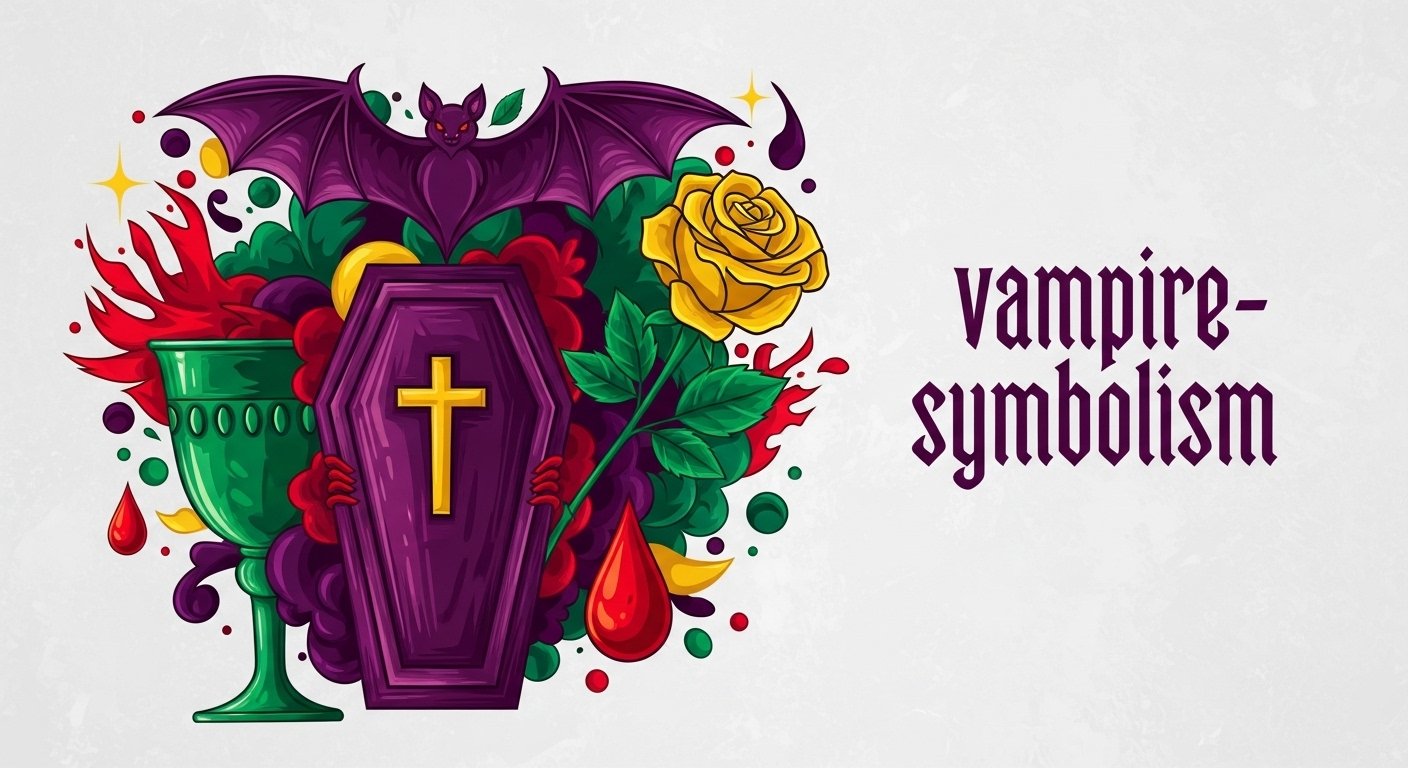
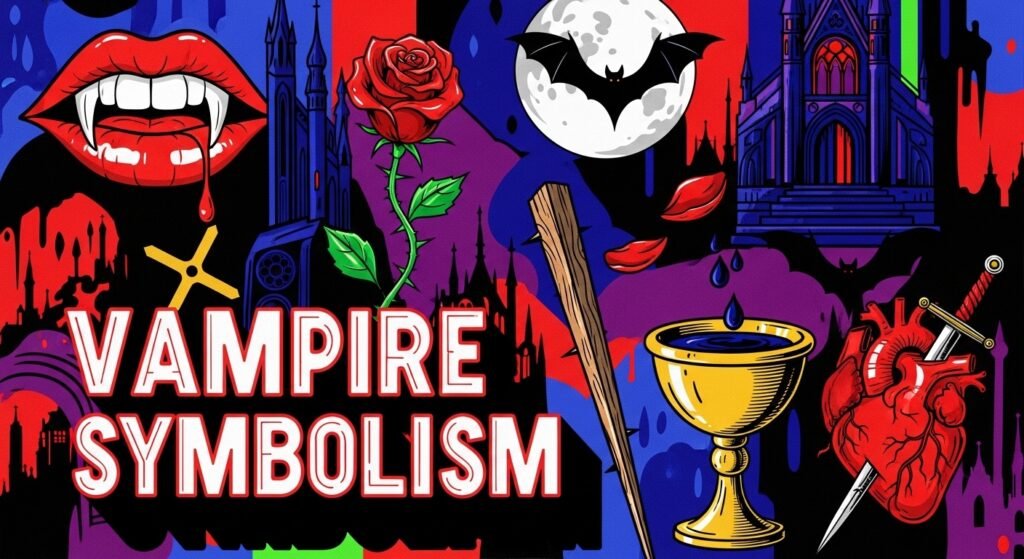
Symbols in Vampire Mythology and Literature
Vampire stories are filled with rich symbolism.
Blood
Blood is life force. It represents vitality, sexuality, lineage, and sacrifice.
When a vampire drinks blood, it symbolizes:
- Power transfer
- Domination
- Intimacy
Night and Darkness
Darkness reflects:
- Mystery
- Fear of the unknown
- The unconscious mind
Nighttime settings heighten suspense and primal emotion.
Immortality
Eternal life symbolizes both:
- Temptation
- Burden
Living forever means witnessing loss endlessly.
The Vampire Bite
The bite represents:
- Submission
- Intimate invasion
- Transformation
It is often depicted as sensual, blurring lines between violence and desire.
Coffins and Graves
These symbolize:
- Death and rebirth
- Transition between worlds
- The liminal state
Vampires exist between life and death — never fully belonging to either.
Mirrors and Reflections
Vampires often lack reflections.
Symbolically, this means:
- Loss of identity
- Separation from humanity
- Absence of a soul
Mirrors represent self-awareness — something vampires may struggle with.
The Bat
Bats symbolize:
- Nocturnal instincts
- Transformation
- Crossing between worlds
They are creatures of darkness and rebirth.
Vampire Symbolism in Literature and Poetry
From gothic horror to modern romance, vampires evolve with cultural anxieties.
Classic gothic works portrayed them as monstrous threats. Modern literature often humanizes them.
In contemporary romance fantasy like Twilight, vampires are romanticized — sensitive, conflicted, protective.
In contrast, darker narratives emphasize horror and moral decay.
Vampires adapt to cultural fears:
- In plague eras → disease metaphors
- In Victorian times → sexual repression
- In modern times → identity and alienation
Vampire Symbolism in Art
In visual art, vampires are depicted with:
- Pale skin (death imagery)
- Red lips (blood symbolism)
- Dark cloaks (mystery)
- Gothic settings (romantic melancholy)
Artistic portrayals emphasize beauty intertwined with danger — reinforcing duality.
Vampire Tattoos and Their Meanings
Vampire tattoos are popular for their layered symbolism.
They can represent:
- Seduction and power
- Eternal love
- Immortality
- Rebellion
- Embracing one’s dark side
A vampire bite tattoo may symbolize transformation. A bat motif may represent freedom through darkness.
Tattoos often reflect personal identity — embracing shadow rather than fearing it.
Vampire Symbolism in Dreams
Dreaming of vampires can indicate:
- Feeling emotionally drained
- Toxic relationships
- Fear of betrayal
- Desire for power
- Sexual awakening
If you are bitten in a dream, it may represent:
- Surrender to temptation
- Transformation
- Loss of control
If you are the vampire, it may symbolize:
- Repressed desire
- Need for validation
- Emotional hunger
Dream context determines meaning.
Vampire Symbolism in Modern Culture
Modern culture has reshaped the vampire into a romantic anti-hero.
TV shows, films, and novels portray them as:
- Outsiders
- Misunderstood beings
- Immortal philosophers
They symbolize alienation in modern society — especially among youth navigating identity and belonging.
Life Lessons and Philosophy Inspired by Vampires
Surprisingly, vampire stories teach profound lessons:
- Power without morality leads to isolation.
- Eternal life without purpose is empty.
- Desire must be balanced with discipline.
- Darkness acknowledged becomes wisdom.
The vampire archetype reminds us to confront our shadow rather than suppress it.
Modern Applications of Vampire Symbolism
Today, vampire symbolism appears in:
- Gothic fashion
- Alternative subcultures
- Paranormal romance novels
- Psychological archetype studies
- Spiritual metaphors about energy exchange
They remain culturally relevant because they embody timeless human struggles.
FAQs About Vampire Symbolism
Are vampires symbols of evil?
Not necessarily. They symbolize shadow aspects of humanity — which can be destructive or transformative.
Why are vampires seductive?
Seduction represents temptation and desire — powerful human forces.
What does vampire blood symbolize?
Life force, power, intimacy, and control.
Why are vampires immortal?
Immortality reflects humanity’s fear of death and desire for permanence.
Conclusion
Vampire mythology and symbolism are deeply intertwined with humanity’s darkest fears and deepest desires.
They represent:
- Death and eternal life
- Seduction and danger
- Power and loneliness
- Shadow and self-awareness
Whether appearing in ancient folklore or modern paranormal romance, vampires remain powerful mirrors of the human condition.
They remind us that darkness is not merely something to fear — it is something to understand.