Tea Symbolism: Spiritual, Cultural, and Dream Meanings
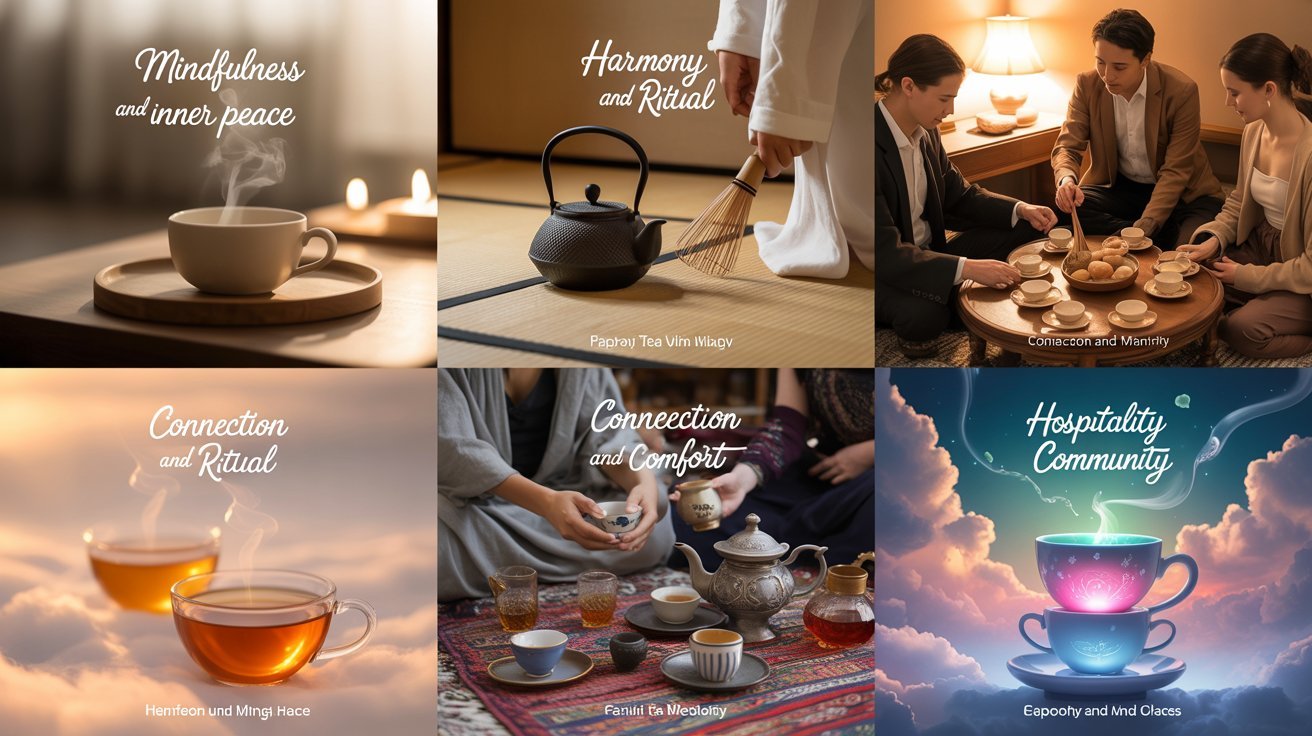
Tea holds rich spiritual symbolism, often representing mindfulness, serenity, and the art of being present. In many traditions, drinking tea is seen as a ritual of purification and inner calm, connecting the drinker to higher consciousness and peaceful energy.
Culturally, tea embodies hospitality, respect, and social bonding across the world. From the Japanese tea ceremony to British afternoon tea, it signifies warmth, connection, and the subtle exchange of care between people.
In dreams, tea can reflect comfort, relaxation, or the need for emotional nurturing. Seeing or drinking tea in a dream may signal reconciliation, self-reflection, or the desire for harmony in personal or social life.
Tea as a Symbol of Peace and Tranquility
Tea symbolizes peace and tranquility, inviting moments of stillness and mindfulness in daily life. Its gentle aroma and warmth calm the mind, encouraging reflection and inner balance.
Cultural practices like the Japanese tea ceremony highlight tea as a medium for harmony, respect, and serene social connection. It transforms ordinary moments into mindful experiences of shared calmness.
In dreams, tea often represents emotional peace or the need to slow down. Drinking or sharing tea can signal resolution, self-care, and the pursuit of inner serenity.
Tea and Mindfulness
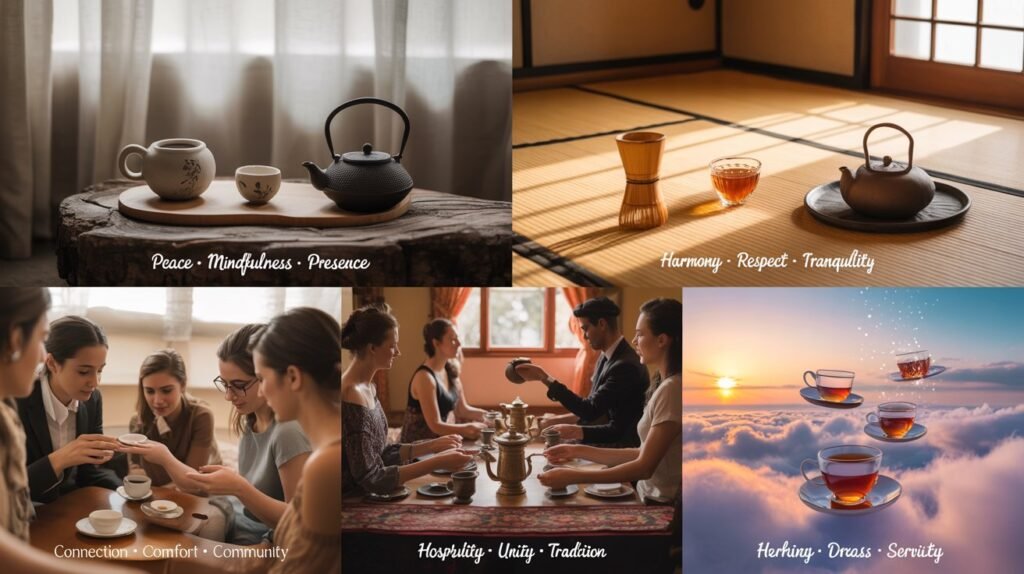
Tea is closely connected with mindfulness, encouraging people to slow down and be present in the moment. The simple act of brewing and sipping tea creates space for calm awareness and reflection.
Many traditions treat tea preparation as a mindful ritual rather than just a daily habit. Focusing on the aroma, warmth, and flavor helps quiet the mind and deepen a sense of inner balance.
In a symbolic sense, tea reminds us to pause and appreciate small moments of peace. It teaches patience, presence, and the beauty of living intentionally.
Tea as a Symbol of Hospitality and Friendship
| Symbolic Aspect | Meaning | Example in Culture |
|---|---|---|
| Warm Welcome | Serving tea shows kindness and a genuine welcome to guests. | In many Asian and Middle Eastern homes, guests are first offered tea. |
| Friendship | Sharing tea encourages conversation and bonding between people. | Friends often meet over tea to relax and talk. |
| Respect | Offering tea can symbolize respect and honor toward visitors or elders. | In Chinese traditions, tea is served to elders during family ceremonies. |
| Social Connection | Tea gatherings create a peaceful space for social interaction. | British afternoon tea brings people together for polite conversation. |
| Trust | Drinking tea together often represents openness and comfort in relationships. | Business or family discussions frequently begin with tea. |
| Hospitality Tradition | Tea has become a cultural symbol of generosity and care. | In South Asian culture, serving chai is a common sign of hospitality. |
Spiritual Symbolism of Tea
Tea carries deep spiritual symbolism, often representing inner peace, purity, and balance. The quiet ritual of preparing tea encourages stillness and reflection. Many spiritual traditions view it as a moment to reconnect with the soul.
In meditation practices, tea symbolizes mindfulness and presence. Each sip invites awareness of the present moment, helping calm the mind and center the spirit. It becomes a gentle reminder to slow down and breathe.
Tea can also represent harmony between body, mind, and spirit. Its warmth and simplicity reflect spiritual nourishment and emotional healing. For many, it symbolizes a peaceful connection with nature and the divine.
Tea in Chinese Culture
- Tea is a symbol of respect and gratitude in Chinese traditions.
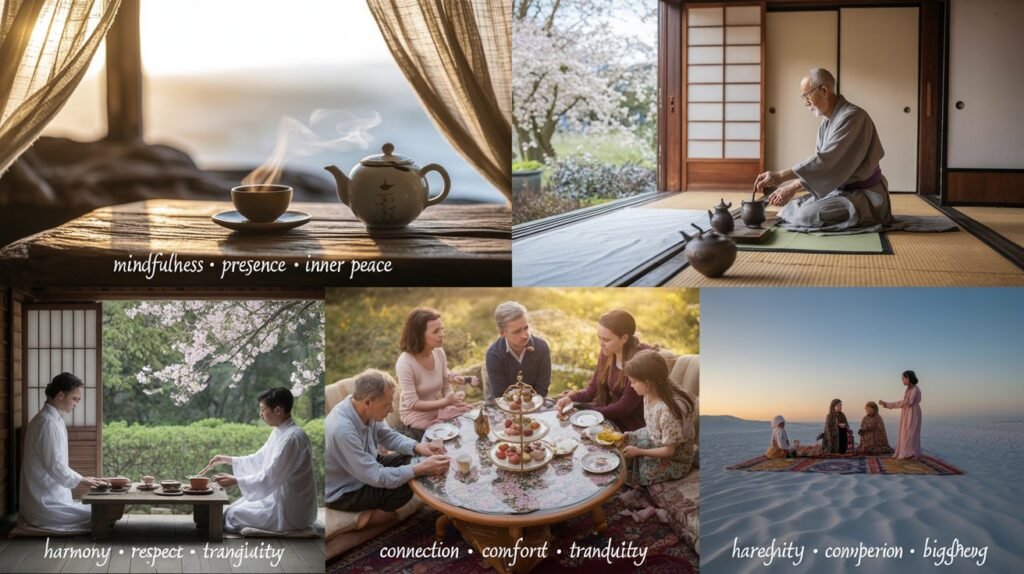
- The Chinese tea ceremony (Gongfu tea) reflects patience, harmony, and mindfulness.
- Serving tea to elders shows filial respect and family honor.
- Tea gatherings encourage peaceful conversation and social harmony.
- Different teas are valued for their health and spiritual balance.
- Tea culture reflects China’s long history connected to nature and philosophy.
Tea in Japanese Culture
Tea holds a sacred place in the culture of Japan, symbolizing harmony, respect, purity, and tranquility. It is more than a drink; it is a spiritual and cultural practice. Tea traditions reflect the Japanese values of simplicity and mindful living.
The traditional tea ceremony known as Chanoyu (also called Sado or Chado) is a carefully structured ritual. Every movement—from preparing the tea to serving it—represents grace, discipline, and respect. The ceremony emphasizes calmness and appreciation of the present moment.
In daily life, tea also represents hospitality and social connection. Offering tea to guests shows kindness and honor. Through this simple act, people share peace, warmth, and meaningful conversation.
Tea in Western Traditions
Tea plays an important role in many Western traditions, especially as a symbol of comfort and social connection. In countries like the United Kingdom, tea is often associated with relaxation and daily routine. It represents warmth and a moment to pause during busy days.
One of the most famous customs is Afternoon Tea, a tradition that began in the 19th century. People gather to enjoy tea with light snacks, pastries, and conversation. This ritual reflects elegance, hospitality, and shared social time.
In Western homes, offering tea to guests is also a gesture of friendliness and care. It creates a welcoming environment where people can talk and connect. Tea, therefore, symbolizes comfort, companionship, and simple pleasure.
Tea in Middle Eastern and African Culture
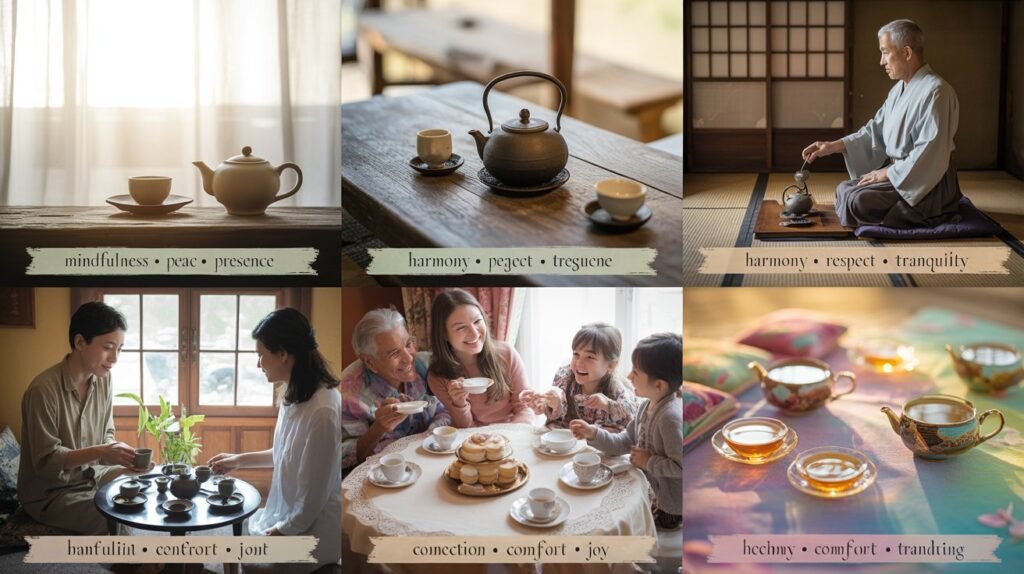
Tea holds a special place in the cultures of the Middle East, where it symbolizes generosity, hospitality, and friendship. Serving tea to guests is a traditional way to show respect and warmth. It is often shared during conversations and social gatherings.
In many African societies, especially in Morocco, tea is part of daily life and cultural identity. The famous mint tea tradition reflects community, relaxation, and welcoming spirit. Preparing and pouring tea is often done with care and pride.
Across both regions, tea represents unity and social bonding. Families and friends gather around tea to share stories and strengthen relationships. This simple drink becomes a meaningful symbol of culture, connection, and tradition.
Symbolism of Different Teas
Different types of tea carry unique symbolic meanings in many traditions. Green tea often represents renewal, health, and spiritual balance because of its natural purity. It is commonly linked with calmness and mindful living.
Black tea is often associated with strength, energy, and resilience. Its bold flavor symbolizes stability and warmth, making it a common drink during social gatherings and meaningful conversations.
Herbal teas symbolize healing, comfort, and emotional restoration. Many people view them as natural remedies that bring relaxation and inner peace, reflecting care for both body and spirit.
Tea in Dreams and Symbolism
Tea appearing in dreams often symbolizes comfort, emotional healing, and peaceful moments in life. It may reflect a desire for relaxation, meaningful conversation, or a break from daily stress. In many interpretations, tea represents calmness and personal reflection.
Dreaming of drinking tea can suggest harmony and balance in your relationships. It may indicate that you are seeking understanding, reconciliation, or a deeper connection with someone close to you.
Serving tea in a dream is commonly linked with hospitality and kindness. It may represent your willingness to care for others, share wisdom, or create a warm and welcoming environment in your waking life.
FAQ on Tea Symbolism
What does tea symbolize spiritually?
Tea often represents mindfulness, inner peace, and spiritual balance, offering a moment for reflection and calm.
Why is tea associated with hospitality?
Serving tea is a universal gesture of respect, warmth, and welcoming guests across cultures.
What does drinking tea in dreams mean?
It usually symbolizes comfort, emotional healing, and a need for relaxation or harmony in life.
Do different teas have different symbolic meanings?
Yes—green tea represents renewal and balance, black tea signifies strength, and herbal teas reflect healing and comfort.
How is tea significant in Japanese culture?
The tea ceremony embodies harmony, respect, purity, and mindful living, turning tea into a spiritual practice.
What role does tea play in Western traditions?
Tea symbolizes social connection, relaxation, and shared moments of comfort in daily life.
How is tea viewed in Middle Eastern and African cultures?
Tea represents hospitality, friendship, and community, often forming the heart of social gatherings.
Conclusion
Tea is much more than just a beverage; it carries deep spiritual, cultural, and emotional significance. Across the world, it symbolizes peace, mindfulness, and the art of being present. Each cup offers a moment to pause and reflect.
Culturally, tea represents hospitality, friendship, and social connection. Whether in Asia, Africa, or the West, serving tea is a gesture of respect and warmth. It strengthens bonds and nurtures meaningful interactions.
Spiritually, tea encourages inner calm, balance, and mindfulness. Rituals like the Japanese tea ceremony or quiet tea meditation highlight its role in self-awareness and emotional harmony. It is a bridge between body, mind, and soul.
In dreams, tea often reflects comfort, healing, and reconciliation. Sharing or drinking tea can signal the desire for peace, connection, or personal reflection. Overall, tea remains a timeless symbol of serenity and human connection.