Symbolism in A Raisin in the Sun | Complete Guide to Themes & Meanings
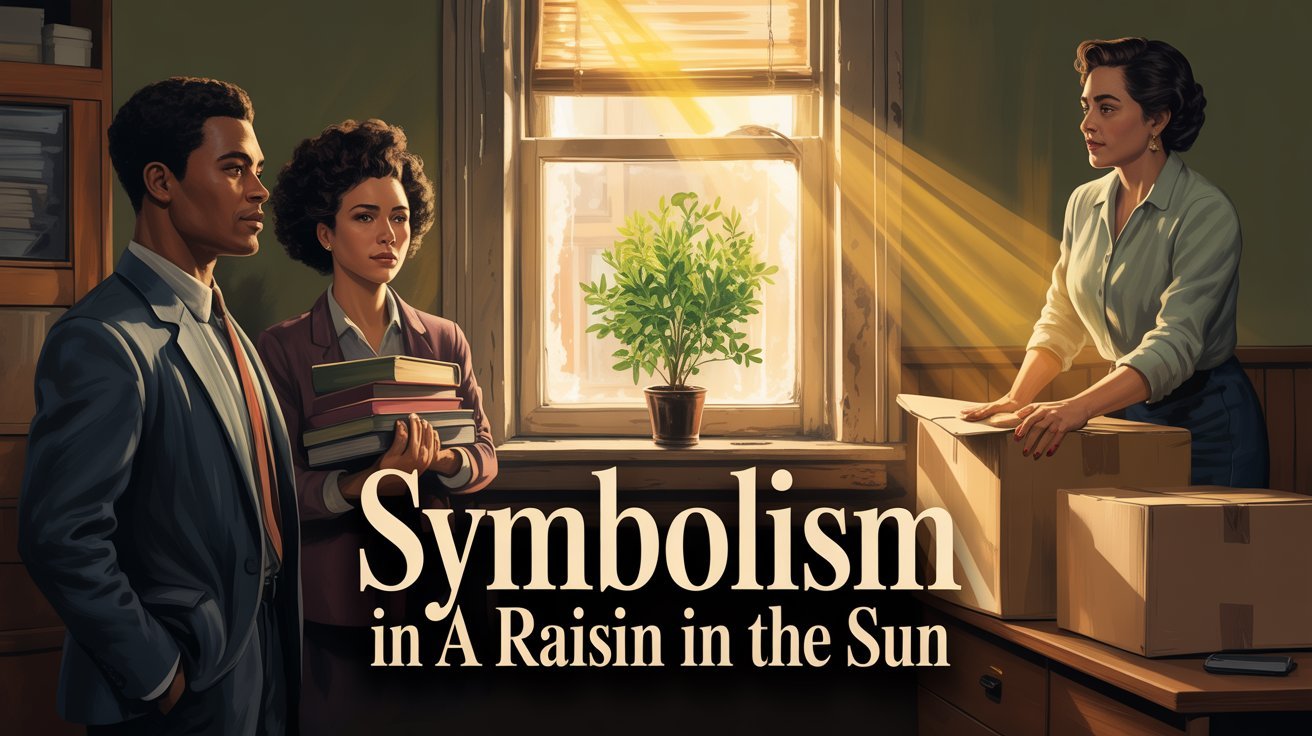
In A Raisin in the Sun, symbolism plays a crucial role in highlighting the struggles and dreams of the Younger family. The play’s title itself symbolizes deferred dreams, inspired by Langston Hughes’ poem, reflecting how unfulfilled aspirations can wither like a raisin in the sun. Every object and event in the story carries deeper meaning, revealing social, racial, and personal conflicts.
The life insurance check represents both opportunity and tension, symbolizing the hope for a better future and the pressures of financial responsibility. Beneatha’s hair and cultural exploration symbolize identity, pride, and the quest for self-discovery amidst societal expectations. Meanwhile, Mama’s plant signifies care, persistence, and the fragility of dreams in a challenging environment.
Housing becomes another significant symbol, representing aspiration, mobility, and equality. The apartment in Clybourne Park embodies the promise of progress but also exposes the realities of racism and societal barriers. Each character’s interaction with these symbols reflects their personal desires, conflicts, and growth throughout the play.
Ultimately, symbolism in A Raisin in the Sun deepens our understanding of its central themes: dreams, identity, racial struggle, and family unity. Through objects, settings, and personal choices, Lorraine Hansberry conveys the complexity of hope and resilience. The symbolic elements connect individual ambitions to broader social commentary, making the play timeless and universally relatable.
The Title as a Symbol: “A Raisin in the Sun”
The title A Raisin in the Sun is a powerful symbol drawn from Langston Hughes’ poem “Harlem,” which asks what happens to a dream deferred. It reflects the central theme of postponed aspirations, showing how unfulfilled dreams can wither, lose vitality, or even cause pain. The “raisin” metaphorically represents the dreams of the Younger family, exposed to harsh social and economic pressures.
Walter’s business ambitions, Beneatha’s educational goals, and Mama’s desire for a home all illustrate dreams at risk of drying up under societal constraints. The title encapsulates the tension between hope and frustration, emphasizing the emotional weight of deferred aspirations. Through this symbolism, Hansberry underscores the fragility and persistence of human desire in the face of inequality.
Beyond personal dreams, the title also comments on racial oppression in 1950s America, highlighting how systemic barriers delay the fulfillment of African American aspirations. It signals the broader struggle of the community while maintaining a deeply personal lens on the Younger family. Ultimately, the title reminds audiences that deferred dreams shape identity, choices, and family dynamics throughout the play.
Mama’s Plant: Growth, Resilience, and Hope
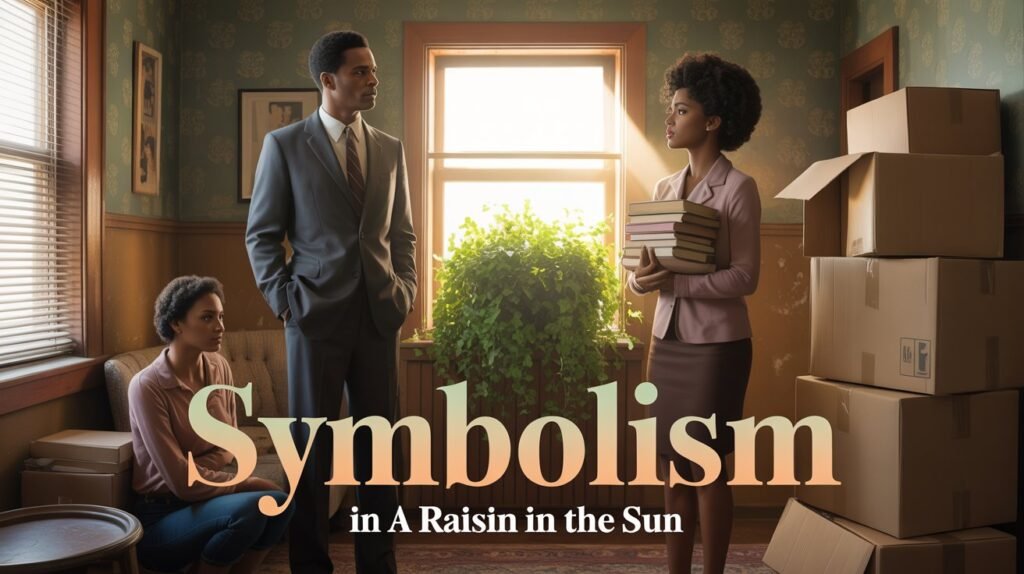
Mama’s plant in A Raisin in the Sun symbolizes growth, resilience, and the nurturing of dreams despite difficult circumstances. Its struggle to thrive mirrors the challenges faced by the Younger family in a world of poverty and racial discrimination. The plant represents Mama’s care and determination to keep hope alive for her family’s future.
The plant also reflects the theme of personal responsibility, as Mama tends to it with patience and love, showing that dreams require effort and persistence. Just as the plant needs sunlight and care, the family’s aspirations need support and courage to flourish. It becomes a quiet emblem of life and continuity amid struggle.
Furthermore, the plant embodies the idea that growth can be slow but meaningful, much like the family’s pursuit of stability and self-realization. It symbolizes both fragility and strength, showing that hope endures even under harsh conditions. Through Mama’s plant, Hansberry emphasizes the importance of nurturing dreams with care and dedication.
The House: A Symbol of Freedom and Belonging
The house in A Raisin in the Sun symbolizes freedom, security, and the fulfillment of the Younger family’s dreams. It represents a space where they can assert identity, escape societal limitations, and build a future on their own terms. The move to Clybourne Park embodies hope, progress, and the pursuit of dignity.
For Mama, the house is the realization of a lifelong dream and a testament to her hard work and sacrifice. For Walter, it represents economic opportunity and a chance to achieve independence and respect. Each family member’s connection to the house reflects personal aspirations and the struggle for self-determination.
The house also highlights racial and social tensions, as it brings the family face-to-face with discrimination and prejudice. It underscores the challenges of belonging in a society that often denies equality. Ultimately, the house serves as both a literal and symbolic foundation for the family’s unity, hope, and resilience.
Money as a Complex Symbol
In A Raisin in the Sun, money functions as a complex symbol of power, opportunity, and conflict within the Younger family. The life insurance check embodies hope for a better future but also exposes tensions and differing priorities among family members. Money reflects both the possibility of upward mobility and the pressures of responsibility.
For Walter, money symbolizes freedom, success, and the validation of his masculinity, while for Mama, it represents security, stability, and the ability to care for her family. Beneatha views money as a means to education and self-fulfillment, highlighting differing perspectives on its value. Each character’s relationship with money reveals desires, insecurities, and moral choices.
Additionally, money underscores societal inequalities, showing how financial resources can open doors yet remain constrained by racism and class barriers. It drives the plot while illustrating the challenges of balancing ambition with ethical and familial obligations. Ultimately, money in the play symbolizes both the promise and the complexity of achieving dreams.
Walter Lee Younger’s Dream: Manhood and Identity
Walter Lee Younger’s dream in A Raisin in the Sun symbolizes his pursuit of manhood, independence, and self-worth. He views financial success as the key to proving his identity and providing for his family. His ambition reflects both personal desire and societal pressure on Black men to achieve respect through wealth.
Walter’s obsession with business and money creates tension within the family, contrasting with Mama’s values of stability and Beneatha’s focus on education. His dream exposes the struggle between material aspiration and emotional responsibility. It highlights the conflict between individual ambition and collective family needs.
By the play’s end, Walter’s evolving understanding of his dream shows growth and maturity. He learns that true manhood encompasses integrity, sacrifice, and love, not just financial gain. Hansberry uses Walter’s journey to explore identity, pride, and the meaning of success in the African American experience.
Beneatha Younger’s Hair: Identity and Cultural Pride
Beneatha Younger’s hair in A Raisin in the Sun symbolizes her exploration of identity, independence, and cultural pride. By embracing her natural hair, she rejects Eurocentric beauty standards and affirms her African heritage. Her hairstyle becomes a visible declaration of self-expression and empowerment.
Her hair also reflects Beneatha’s intellectual and personal journey, mirroring her quest to define who she is beyond family expectations and societal norms. It challenges conventional ideas of femininity and conformity in mid-20th-century America. Each choice she makes about her appearance conveys deeper questions of heritage and self-respect.
Moreover, Beneatha’s hair highlights generational and cultural tensions, as Mama struggles to understand her modern views. It symbolizes the intersection of personal ambition, racial identity, and pride in ancestry. Through this symbol, Hansberry emphasizes the importance of embracing one’s roots while forging an authentic self.
Family Unity as a Symbol of Strength
Family unity in A Raisin in the Sun symbolizes resilience, support, and the collective strength of the Younger family. Despite financial struggles and societal pressures, their bond provides emotional stability and hope for the future. Together, they navigate challenges that no individual could face alone.
The family’s unity also reflects shared dreams and sacrifices, with each member contributing in their own way. Mama’s guidance, Walter’s ambitions, and Beneatha’s aspirations intertwine, showing that strength comes from collaboration and mutual care. Their togetherness amplifies the significance of personal and collective goals.
Moreover, unity counters the external forces of racism, poverty, and disappointment, reinforcing the family as a source of identity and belonging. It demonstrates that hope and perseverance are sustained through love and solidarity. Hansberry uses family cohesion as a symbol of enduring power amidst adversity.
Minor Symbols and Motifs in A Raisin in the Sun
Minor symbols and motifs in A Raisin in the Sun enrich the play’s themes and provide subtle insights into the Younger family’s struggles. Objects like Beneatha’s books, Walter’s hat, and the apartment’s furnishings reflect personal identity, aspirations, and social status. These everyday items carry deeper emotional and cultural meanings.
Recurring motifs such as dreams, sunlight, and deferred aspirations reinforce the play’s central concerns. Sunlight, for example, parallels growth and hope, while recurring discussions of money and education highlight ambition and societal constraints. These motifs create continuity and deepen thematic resonance.
Even small gestures and habits, like Mama tending her plant or family meals together, serve symbolic purposes. They emphasize care, nurturing, and familial bonds, reminding audiences that meaning often resides in ordinary actions. Hansberry uses these minor symbols to underscore resilience, identity, and hope throughout the play.
Historical and Cultural Symbolism
Historical and cultural symbolism in A Raisin in the Sun highlights the African American experience in 1950s America. The play reflects the legacy of segregation, racial discrimination, and limited economic opportunities, grounding the family’s struggles in a real social context. These historical pressures shape their dreams, choices, and conflicts.
Cultural symbols, such as Beneatha’s embrace of African heritage and Mama’s emphasis on faith and family, represent pride, identity, and generational values. They showcase the tension between tradition and modernity, as well as the search for self-definition within a marginalized community.
Through historical and cultural references, Hansberry emphasizes that the Younger family’s personal aspirations are inseparable from broader societal forces. Symbols like the house, money, and deferred dreams gain deeper meaning when viewed against the backdrop of racial inequality and cultural identity, making the play both intimate and universally significant.
Life Lessons from Symbolism in A Raisin in the Sun
The symbolism in A Raisin in the Sun offers powerful life lessons about hope, perseverance, and the pursuit of dreams. Mama’s plant teaches that nurturing aspirations with care and patience is essential for growth, even in difficult circumstances. It reminds us that small efforts can sustain big dreams over time.
The house symbolizes the importance of freedom, self-respect, and creating spaces where one can belong, showing that true fulfillment comes from both personal and collective achievement. Walter’s journey with money and ambition highlights lessons about responsibility, integrity, and redefining success beyond material gain.
Beneatha’s hair and cultural exploration teach the value of embracing identity, heritage, and self-expression. Family unity demonstrates that strength and resilience emerge from love, support, and shared sacrifice. Overall, Hansberry’s symbols encourage audiences to balance dreams with ethics, pride, and solidarity.
FAQ on Symbolism in A Raisin in the Sun
What does the title A Raisin in the Sun symbolize?
The title symbolizes deferred dreams, inspired by Langston Hughes’ poem “Harlem.” It reflects how unfulfilled aspirations can wither, like a raisin exposed to the sun, mirroring the struggles of the Younger family.
Why is Mama’s plant significant in the play?
Mama’s plant symbolizes growth, hope, and resilience. Just as the plant struggles to thrive, the family’s dreams require care, patience, and persistence to survive in challenging circumstances.
What does the house represent?
The house represents freedom, stability, and belonging. It embodies the family’s dreams for a better life while highlighting racial and societal barriers they must overcome.
How does money function as a symbol?
Money symbolizes opportunity, power, and conflict. It represents the potential for upward mobility but also creates tension and reveals differing values within the family.
What does Walter Lee Younger’s dream symbolize?
Walter’s dream symbolizes manhood, identity, and the desire for respect and independence. His journey teaches that true success involves integrity, sacrifice, and family responsibility.
How is Beneatha’s hair symbolic?
Beneatha’s hair symbolizes identity, cultural pride, and self-expression. Embracing her natural hair reflects her rejection of Eurocentric standards and her embrace of African heritage.
What role does family unity play as a symbol?
Family unity symbolizes strength, support, and resilience. The Younger family’s solidarity helps them endure challenges and reinforces that hope and perseverance are rooted in love and togetherness.
Are there minor symbols or motifs to notice in the play?
Yes, objects like Beneatha’s books, Walter’s hat, and recurring motifs like sunlight, dreams, and meals subtly reinforce themes of ambition, identity, and care. They add depth to the play’s central messages.
Conclusion: The Power of Symbolism in Hansberry’s
The symbolism in A Raisin in the Sun powerfully conveys the dreams, struggles, and resilience of the Younger family. Objects, settings, and personal choices are imbued with deeper meaning, reflecting both personal and societal challenges. Through symbolism, Hansberry connects individual desires to universal human experiences.
Mama’s plant, the house, and the life insurance money illustrate themes of hope, responsibility, and aspiration. Each symbol serves as a lens to understand character motivations and family dynamics. They emphasize that dreams require care, effort, and moral grounding to flourish.
Walter’s ambitions and Beneatha’s cultural expressions highlight identity, pride, and the quest for self-realization. Symbols help the audience grasp the tension between personal goals and collective responsibilities. They enrich the narrative with emotional and cultural depth.
Ultimately, Hansberry’s use of symbolism transforms the play from a family story into a timeless exploration of hope, perseverance, and social reality. It teaches that dreams, identity, and unity are intertwined, and their pursuit demands courage, integrity, and resilience. Symbolism makes the play resonate across generations.