Symbolism in Julius Caesar | Themes, Literary & Historical Meaning
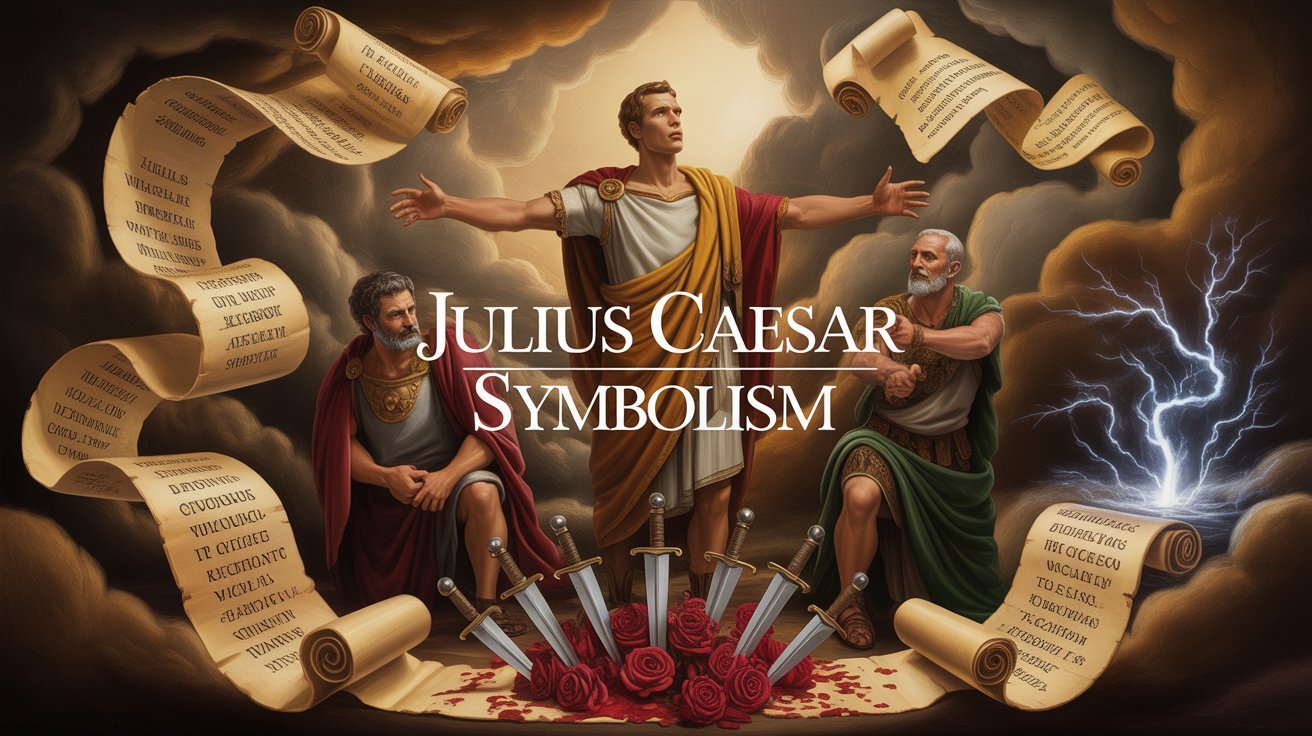
William Shakespeare’s Julius Caesar is more than a political drama—it is a timeless exploration of power, loyalty, and human nature. From the opening scenes, the play draws readers into a world where symbols carry deeper meanings beyond their surface. These symbolic elements help reveal the inner struggles of characters and the fragile nature of authority. Through this, Shakespeare transforms history into a powerful reflection of universal truths.
At its core, the play uses symbolism to highlight the tension between fate and free will. Omens, dreams, and supernatural signs appear repeatedly, suggesting that unseen forces shape human destiny. Yet, the characters’ choices also drive the tragic outcome, creating a layered narrative. This interplay invites readers to question whether events are predestined or self-inflicted.
Political symbolism plays a crucial role in shaping the themes of the play. Rome itself becomes a symbol of power, ambition, and the collective identity of its people. Caesar represents both a leader and the threat of tyranny, while Brutus embodies honor and moral conflict. These symbolic roles deepen the emotional and intellectual impact of the story.
The Ides of March: Symbolism of Fate and Warning
The Ides of March stands as one of the most powerful symbols in Julius Caesar, representing fate and inevitable destiny. Historically tied to Assassination of Julius Caesar, the date carries a sense of looming danger. In the play, it becomes a chilling reminder that certain events cannot be escaped.
The famous warning “Beware the Ides of March” highlights the theme of ignored intuition and dismissed caution. Despite clear signs and repeated alerts, Caesar chooses to overlook the message. This symbolizes how human pride and overconfidence can blind individuals to approaching danger.
Ultimately, the Ides of March reflects the intersection of fate and personal choice. While it suggests a predetermined outcome, it also shows that decisions shape how fate unfolds. Shakespeare uses this symbol to emphasize that warnings often come before downfall—but they must be heeded to matter.
Caesar as a Symbol
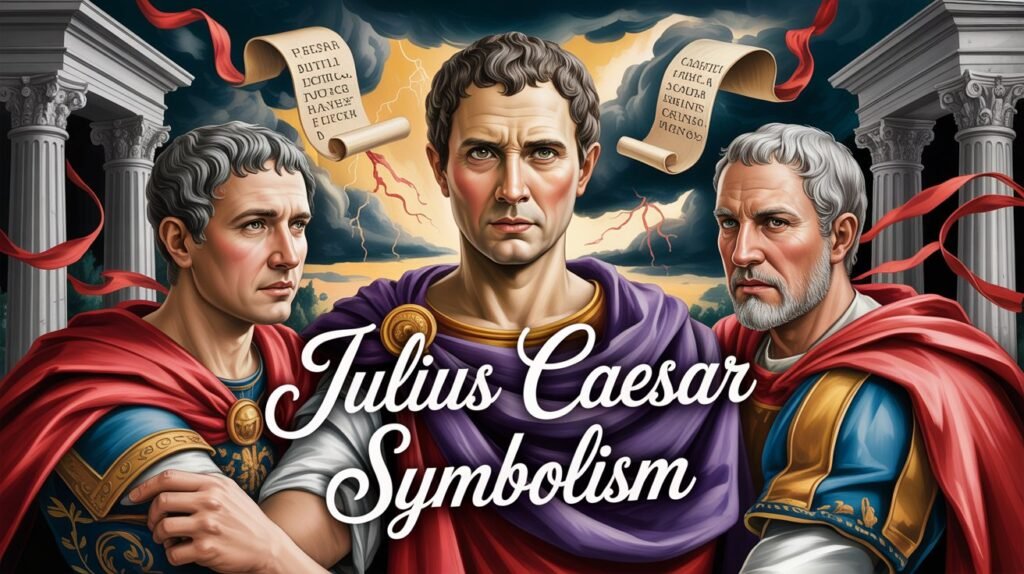
In Julius Caesar, Caesar himself becomes a powerful symbol of authority, ambition, and the allure of absolute power. He represents both the strength of leadership and the fear of tyranny that unsettles Rome. To some, he is a heroic figure; to others, a threat to freedom. This dual symbolism reflects the complexity of power and how it is perceived differently by society.
At the same time, Caesar symbolizes human vulnerability beneath a god-like image. Despite being seen as almost invincible, he is physically weak and ultimately mortal. His fall reveals the illusion of immortality tied to political power. Through Caesar, William Shakespeare shows that no leader, no matter how powerful, is beyond fate or human limitations.
Brutus as a Symbol of Morality and Internal Conflict
In Julius Caesar, Brutus stands as a symbol of morality, honor, and ethical responsibility. He is portrayed as a man who values the republic above personal loyalty, even when it means turning against Caesar. His decisions are guided by what he believes is right, not by ambition or jealousy. This makes him one of the most morally complex figures in the play.
At the same time, Brutus represents deep internal conflict and the struggle between heart and mind. He is torn between his love for Caesar and his duty to Rome, creating a powerful emotional tension. His inner turmoil highlights the consequences of overthinking and moral idealism. Through Brutus, William Shakespeare reveals how noble intentions can still lead to tragic outcomes.
Cassius and Ambition
| Aspect | Explanation |
|---|
| Symbolic Role | Cassius represents raw ambition and strategic manipulation in Roman politics. |
| View of Caesar | He sees Caesar as unworthy of absolute power and feels threatened by his rise. |
| Motivation | Unlike Brutus, Cassius is driven more by personal ambition and envy than pure ideals. |
| Influence on Others | He skillfully manipulates Brutus, appealing to his sense of honor to gain support. |
| Ambition vs Morality | Cassius prioritizes results over ethics, showing ambition without moral restraint. |
| Political Symbolism | He symbolizes the dangers of unchecked ambition in leadership and governance. |
| Outcome | His ambition contributes to chaos, ultimately leading to his downfall. |
| Shakespeare’s Message | Through Cassius, William Shakespeare highlights how ambition without integrity can destroy both individuals and nations. |
Omens and Natural Elements
In Julius Caesar, omens and natural disturbances symbolize the imbalance in Rome’s political and moral order. Violent storms, strange happenings, and supernatural signs reflect the chaos brewing beneath the surface. These elements act as warnings from nature, suggesting that something unnatural—like Caesar’s rise to absolute power—is unfolding. Shakespeare uses these signs to mirror the tension and fear within society.
At the same time, these omens highlight the theme of fate versus human perception. While some characters, like Cassius, dismiss them or interpret them to suit their motives, others see them as divine warnings. This contrast shows how people respond differently to the same signs based on their beliefs and ambitions. Through these natural symbols, William Shakespeare emphasizes that truth is often shaped by interpretation, not just reality.
Letters and Written Symbols
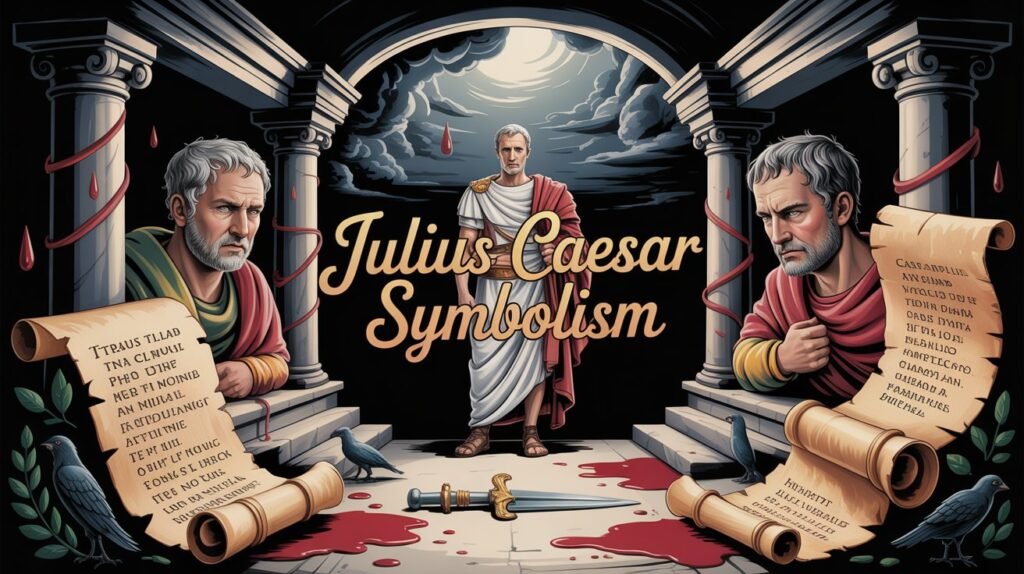
In Julius Caesar, letters serve as powerful symbols of persuasion and hidden influence. Cassius uses forged letters to manipulate Brutus, making them appear as if they come from concerned Roman citizens. These writings symbolize how words can be weaponized to shape perception and control decisions. Through this, Shakespeare highlights the subtle power of communication in politics.
Letters also represent the voice of the public, whether real or fabricated. They create the illusion that the people of Rome demand action against Caesar, influencing Brutus’s moral reasoning. This symbolic use of written messages shows how easily truth can be distorted. It reflects the danger of relying on unchecked information when making critical choices.
Moreover, written symbols in the play emphasize secrecy and strategy within political conflict. Messages are passed quietly, often carrying intentions that are not immediately visible. This secrecy mirrors the conspirators’ hidden plans and the fragile trust between characters. Through these elements, William Shakespeare reveals how language can both unite and deceive.
The Conspiracy: Symbolism of Betrayal and Loyalty
In Julius Caesar, the conspiracy against Caesar symbolizes the fragile line between betrayal and loyalty. The conspirators justify their actions as a service to Rome, believing they are protecting the republic. Yet, their secret meetings and hidden motives reveal a deeper layer of personal ambition and fear. This duality makes the conspiracy both an act of loyalty and a profound betrayal.
The moment of Caesar’s assassination intensifies this symbolism, especially through the involvement of Brutus. His participation transforms the act from mere political murder into emotional and moral treachery. Caesar’s reaction, often associated with shock and heartbreak, highlights the pain of being betrayed by someone trusted. This scene captures how loyalty, once broken, can lead to irreversible consequences.
Ultimately, the conspiracy represents the collapse of trust within both personal relationships and political systems. What begins as a united effort quickly turns into chaos and conflict, showing the instability of alliances built on secrecy. Through this, William Shakespeare emphasizes that betrayal, even when justified, often destroys the very ideals it seeks to protect.
Roman Republic vs. Individual Ambition
- Conflict of Ideals: The play contrasts the collective good of the Roman Republic with personal ambition, showing how individual desires can threaten societal stability.
- Brutus as Republic Symbol: Brutus embodies loyalty to Rome, prioritizing honor and civic duty over personal gain.
- Caesar as Ambition Symbol: Caesar represents unchecked personal ambition and the concentration of power in a single individual.
- Cassius’ Manipulation: Cassius exploits the tension between republican ideals and personal envy to drive the conspiracy.
- Moral Dilemma: Characters struggle to balance ethical responsibility to the state with their own ambitions.
- Outcome and Consequences: The tension between the republic and personal ambition leads to political chaos and the ultimate downfall of key figures.
- Shakespeare’s Message: William Shakespeare illustrates that the pursuit of power without regard for the greater good destabilizes both individuals and society.
Symbolism of Blood and Death
In Julius Caesar, blood symbolizes both violence and the irreversible consequences of betrayal. Caesar’s assassination marks the literal and figurative spilling of blood, signaling the collapse of trust and order in Rome. Shakespeare uses blood to show how ambition and moral conflict often lead to destructive outcomes.
Blood also serves as a reminder of guilt and conscience, particularly for Brutus. After Caesar’s murder, the sight of blood haunts him, reflecting his internal struggle and remorse. This recurring imagery emphasizes that moral choices leave lasting psychological scars.
Death, intertwined with blood, underscores the fragility of human life and power. Leaders, no matter how mighty, are ultimately mortal, and their deaths reveal the vulnerability behind authority. Through these symbols, Shakespeare communicates that ambition, betrayal, and pride carry deadly consequences.
Symbolism in Characters’ Dialogue
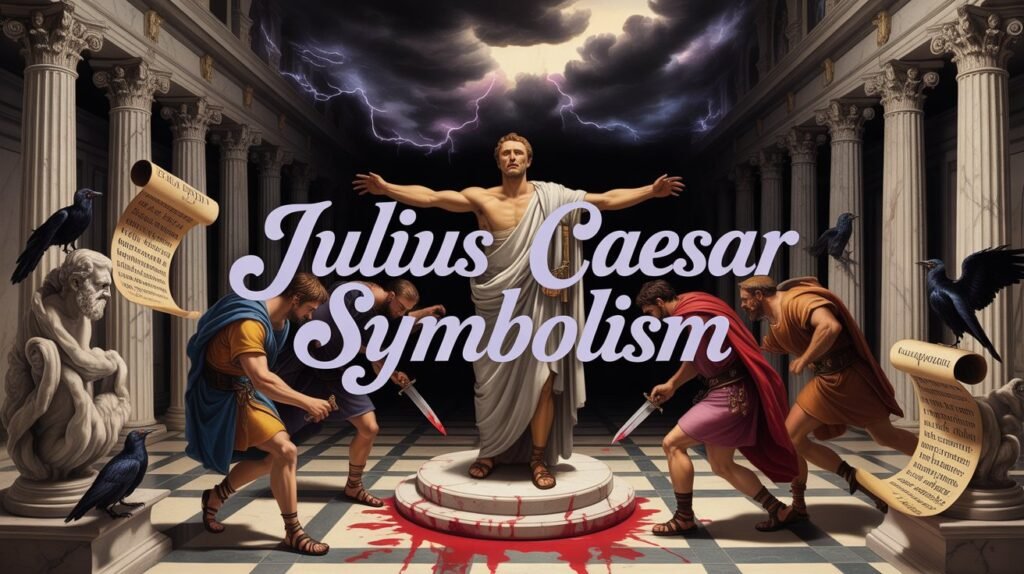
In Julius Caesar, dialogue serves as a powerful symbol of persuasion and hidden intent. Characters’ words often reveal their ambitions, fears, and moral dilemmas, going beyond surface conversation. Shakespeare uses this to show how language shapes perception and drives action in both personal and political contexts.
Persuasive speeches, like Antony’s funeral oration, symbolize the power of rhetoric to influence public opinion. Antony’s careful choice of words manipulates emotion and loyalty, turning the crowd against the conspirators. Dialogue here becomes a tool of both manipulation and revelation, highlighting the fragility of trust in society.
Conversely, private conversations symbolize inner conflict and moral reasoning. Brutus’s discussions with fellow conspirators expose his ethical struggle, while Caesar’s interactions reveal pride and vulnerability. Through dialogue, William Shakespeare demonstrates that words can be both weapons and mirrors of the human psyche.
Julius Caesar Symbolism in Literature & Art
In literature, Julius Caesar has inspired countless reinterpretations that explore power, betrayal, and morality. Authors often use Caesar and the conspirators as archetypes to discuss leadership, ambition, and ethical dilemmas. The story’s symbols—blood, omens, and letters—resonate beyond the stage, influencing narrative techniques and thematic explorations.
In visual art, scenes from Caesar’s life and assassination have been depicted to capture tension, emotion, and historical significance. Artists highlight symbolic moments like the Ides of March or Brutus’ hesitation to convey themes of loyalty, fate, and moral conflict. Such works transform literary symbols into powerful visual storytelling, making abstract concepts tangible.
Across both literature and art, the symbolism of Caesar emphasizes universal human experiences. Themes of ambition, betrayal, honor, and consequence are interpreted differently across cultures and eras. Through these creative expressions, William Shakespeare’s exploration of human nature continues to inspire reflection and dialogue centuries later.
Symbolism in Dreams
Dreams often serve as symbolic reflections of the subconscious, revealing emotions, fears, and desires hidden from waking life. Elements like water, flight, or darkness carry deeper meanings, acting as metaphors for emotional states or personal challenges. They provide insight into the mind’s inner workings and unresolved conflicts.
Certain recurring symbols, such as falling or being chased, often represent anxiety, loss of control, or unresolved tension. Colors, animals, and objects in dreams can carry cultural, psychological, or personal significance. Interpreting these symbols helps uncover patterns in behavior, thought, and emotional responses.
Dream symbolism also connects to guidance and self-awareness. Some dreams appear as warnings or messages, encouraging reflection and conscious decision-making. By analyzing symbols, individuals can gain clarity about their inner world, fostering personal growth and emotional understanding.
Life Lessons from Julius Caesar Symbolism
The symbolism in Julius Caesar offers timeless life lessons about power, morality, and human nature. Blood, omens, and letters remind us that actions have consequences, and ethical choices shape both personal and collective destinies. Shakespeare shows that ambition unchecked by conscience can lead to downfall.
Characters like Brutus and Cassius teach the importance of integrity and self-awareness. Loyalty, internal conflict, and persuasion demonstrate how emotions and reasoning influence decisions. Through these symbols, William Shakespeare encourages reflection on leadership, responsibility, and the moral weight of our choices.
FAQs on Julius Caesar Symbolism
What does the Ides of March symbolize?
The Ides of March symbolizes fate, warning, and the inevitability of destiny. It serves as a reminder of the consequences of ignoring caution.
How is Caesar a symbol in the play?
Caesar represents power, ambition, and vulnerability. He embodies both the allure and the dangers of authority.
What do blood and death symbolize?
Blood and death reflect betrayal, guilt, and the irreversible consequences of political actions. They highlight the human cost of ambition and moral conflict.
How do letters function symbolically?
Letters symbolize persuasion, hidden influence, and the manipulation of truth. They show how communication can shape decisions and public perception.
What role do omens and natural elements play?
Omens and storms symbolize chaos, fate, and moral imbalance. They serve as warnings that foreshadow critical events in the play.
How does Brutus symbolize morality?
Brutus represents ethical responsibility and internal conflict. His struggle highlights the tension between personal loyalty and civic duty.
What does Cassius symbolize?
Cassius embodies ambition, envy, and the darker side of human desire for power. He contrasts with Brutus’ moral idealism.
How is dialogue symbolic in Julius Caesar?
Dialogue reflects persuasion, hidden intent, and the power of rhetoric. Words in the play influence emotion, perception, and political outcomes.
Conclusion
The symbolism in Julius Caesar enriches the narrative, transforming a historical event into a timeless exploration of human nature. Omens, letters, blood, and dialogue deepen our understanding of ambition, loyalty, and moral responsibility. Shakespeare shows how symbols reveal both personal and societal truths.
Characters like Caesar, Brutus, and Cassius embody complex symbolic roles, illustrating the tension between power, morality, and internal conflict. Their actions and decisions demonstrate the consequences of ambition, betrayal, and ethical dilemmas. Through these symbols, the play continues to resonate with universal themes across generations.
Ultimately, the symbolic layers of Julius Caesar encourage reflection on leadership, choice, and fate. From the Ides of March to persuasive speeches, every symbol teaches lessons about consequence and human behavior. Shakespeare’s masterful use of symbolism ensures the story remains relevant and thought-provoking for all audiences.