Crane Bird Symbolism | Spiritual, Cultural & Life Meanings
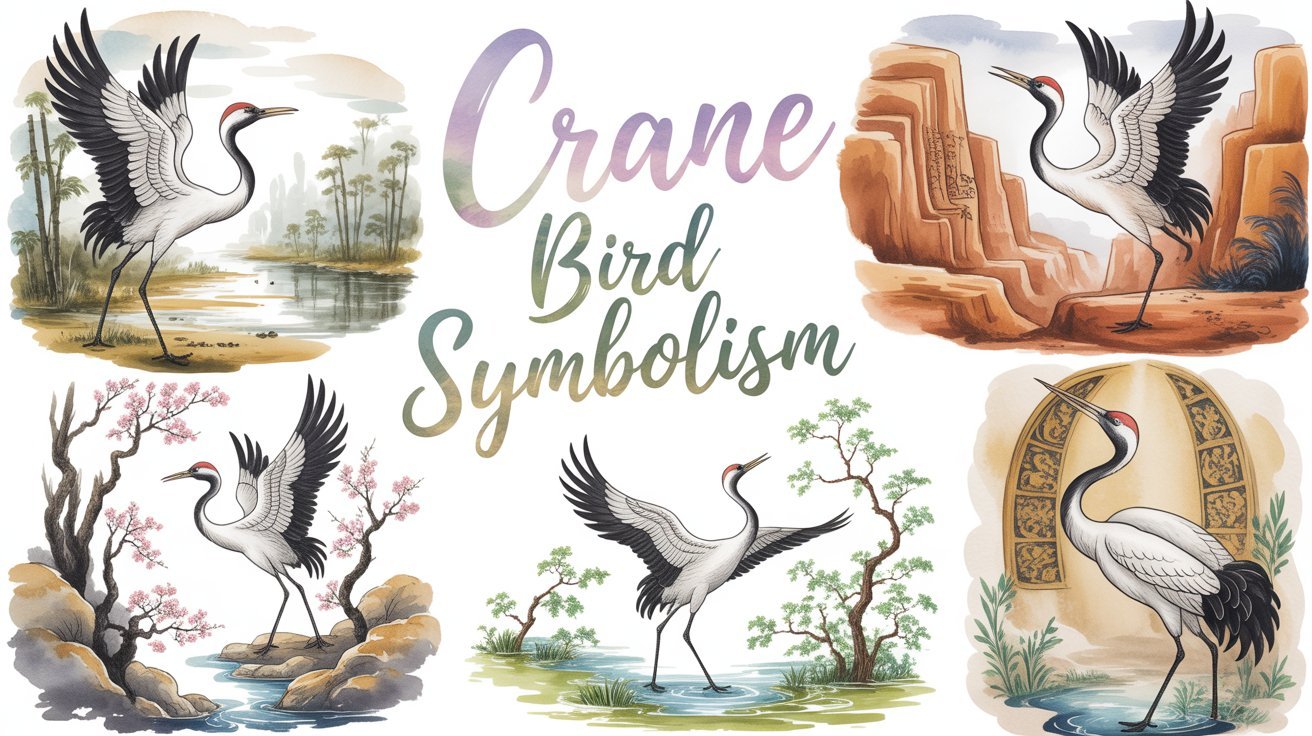
The crane is one of the most graceful birds in the natural world, admired for its elegance, patience, and quiet strength. Across centuries and cultures, people have looked at this tall, majestic bird and seen something deeper than just a creature of the sky and wetlands. The Crane Bird Symbolism often represents wisdom, longevity, balance, and spiritual awakening.
From ancient Asian traditions to Native folklore, cranes appear as sacred messengers and symbols of good fortune. Their slow movements, long migrations, and lifelong pair bonds have inspired stories about loyalty, endurance, and harmony. Because of this, the Crane Bird Symbolism has become closely tied to themes of peace, transformation, and divine guidance.
Spiritually, cranes are often viewed as bridges between the earthly world and the spiritual realm. Many traditions believe that seeing a crane or dreaming of one carries a message about patience, timing, or personal growth. The Crane Bird Symbolism reminds people to move through life with calm awareness and trust in the natural flow of events.
In cultural storytelling and art, cranes frequently symbolize prosperity, happiness, and protection. Their presence in paintings, poetry, and mythology reflects humanity’s deep admiration for their beauty and meaning. Through these traditions, the Crane Bird Symbolism has become a powerful emblem of hope, renewal, and spiritual grace.
Understanding the meaning behind cranes allows us to appreciate why this bird holds such a sacred place in human imagination. Whether seen in nature, dreams, or spiritual signs, cranes often carry profound messages about life’s journey. Exploring Crane Bird Symbolism reveals lessons about balance, resilience, and living with mindful purpose.
Natural Traits of the Crane
Cranes are tall, elegant birds known for their long legs, slender necks, and wide wings that allow them to glide gracefully across wetlands and open skies. Their slow, deliberate movements give them a calm and balanced appearance in nature. These physical traits make cranes stand out as one of the most recognizable birds in the world.
Another remarkable natural trait of cranes is their intelligence and strong social behavior. Many crane species form lifelong pair bonds and work together to build nests, protect territory, and raise their young. Their loyalty and cooperative nature are key reasons cranes are often associated with commitment and harmony.
Cranes are also famous for their long migrations and powerful endurance. Some species travel thousands of miles between breeding and wintering grounds, navigating vast landscapes with incredible precision. This resilience and adaptability highlight the crane’s natural strength and survival instincts in changing environments.
See Also: Indigo Symbolism
Crane Symbolism in Japanese Culture
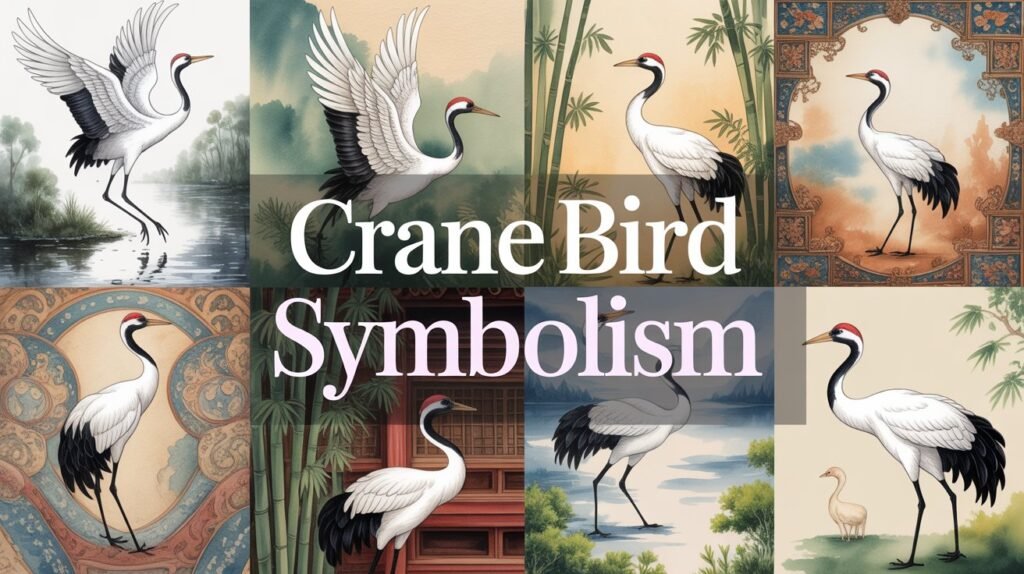
In Japanese tradition, the crane is one of the most respected and meaningful birds, often associated with good fortune, honor, and longevity. Known as “Tsuru” in Japanese culture, the crane appears frequently in folklore, art, and ceremonial designs. Because of its elegance and long lifespan, the bird is widely seen as a symbol of lasting happiness and prosperity.
Cranes also play an important role in traditional Japanese stories and legends. Many tales describe cranes as mystical beings that can transform into humans or bring blessings to those who show kindness. These stories helped strengthen the belief that cranes represent purity, gratitude, and divine protection.
The crane is also famous in the tradition of folding origami cranes, where people fold one thousand paper cranes as a wish for peace, healing, or good luck. This tradition reflects deep cultural respect for the crane as a messenger of hope and resilience. As a result, cranes remain powerful cultural symbols in Japanese weddings, festivals, and artworks.
Spiritual Meaning:
- Longevity and Blessings – In Japanese belief, cranes are thought to live for a thousand years, symbolizing long life and enduring happiness.
- Peace and Hope – The tradition of folding paper cranes represents prayers for peace, healing, and positive change.
- Faithfulness and Love – Because cranes mate for life, they symbolize loyalty, devotion, and strong relationships.
- Divine Protection – Many people believe cranes carry spiritual energy that protects and guides those who encounter them.
Crane Symbolism in Chinese Culture
In Chinese culture, the crane is a powerful symbol of longevity, wisdom, and spiritual elevation. For centuries, it has been admired as a noble bird that represents purity and a long, peaceful life. Because of these qualities, Crane Symbolism in Chinese traditions is often connected with immortality and higher spiritual awareness.
Cranes frequently appear in traditional Chinese paintings, poetry, and ancient myths. They are often depicted flying among clouds or standing beside pine trees, both symbols of long life and endurance. In this context, the crane represents harmony between heaven and earth, as well as the pursuit of wisdom and balance.
In Chinese folklore, cranes are also associated with immortals and spiritual sages. Many legends describe cranes as sacred birds that carry enlightened beings to the heavens. Because of this belief, Crane Symbolism in Chinese culture reflects spiritual transformation, honor, and the journey toward enlightenment.
Crane Symbolism in Korean Culture
In Korean culture, the crane is admired as a symbol of longevity, purity, and noble character. Its calm movements and graceful appearance have made it a respected figure in traditional art and folklore. Because of these qualities, Crane Symbolism in Korea is closely connected with dignity, wisdom, and a long, peaceful life.
Cranes are often featured in Korean paintings, embroidery, and royal decorations, especially in historical clothing worn by scholars and officials. The bird was believed to represent high moral values and spiritual refinement. Through these traditions, Crane Symbolism became associated with honor, loyalty, and intellectual virtue.
In Korean mythology and cultural beliefs, cranes are also linked to the spiritual world and heavenly realms. They are sometimes seen as companions of immortals or divine beings, symbolizing a connection between earth and heaven. Because of this, Crane Symbolism in Korean culture reflects harmony, spiritual elevation, and inner peace.
Crane Symbolism in Native American Traditions
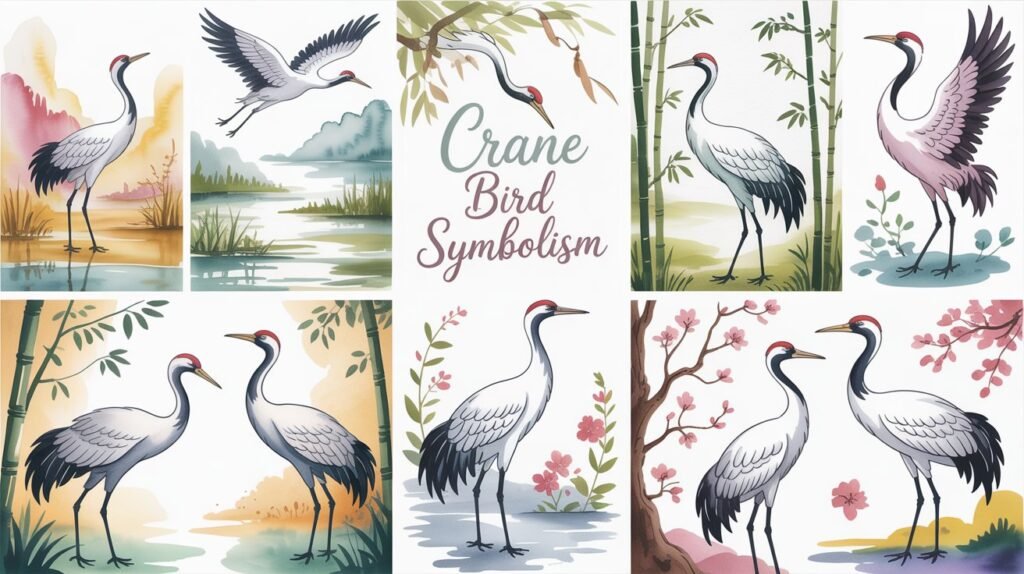
In many Native American traditions, the crane is respected as a symbol of wisdom, leadership, and clear communication. Tribes often observed the crane’s calm behavior and loud, distinctive call, which made the bird a natural emblem of authority and guidance. Because of this, Crane Symbolism is often connected with strong voices, teaching, and community leadership.
Cranes also represent balance and awareness in the natural world. Their slow movements through water and careful hunting style reflect patience and mindfulness. Through these qualities, Crane Symbolism in Native American beliefs often teaches people to move through life with focus, calmness, and respect for nature.
In some tribal stories and spiritual teachings, cranes are seen as messengers that carry wisdom between worlds. They remind people to listen carefully to inner guidance and the voices of elders. For this reason, Crane Symbolism also reflects spiritual insight, harmony with nature, and the importance of thoughtful decision-making.
Related Post: Forest Symbolism
Crane Symbolism in European Folklore
| Symbolic Meaning | Description |
|---|---|
| Vigilance | In European folklore, cranes were believed to stay alert even while resting, symbolizing watchfulness and awareness. |
| Loyalty | Because cranes often form lifelong bonds, they became symbols of faithfulness and lasting relationships. |
| Wisdom | Their calm and deliberate movements led people to associate cranes with thoughtful decision-making and intelligence. |
| Protection | Some old legends believed cranes guarded villages or sacred places from danger. |
| Balance | Standing gracefully on one leg made cranes a symbol of stability and emotional balance. |
| Guidance | Migrating cranes were sometimes seen as guides, representing direction and safe journeys. |
Spiritual Symbolism of the Crane
The crane is widely viewed as a spiritual symbol of wisdom, patience, and higher awareness. Its slow movements and graceful posture reflect a calm connection with the natural rhythm of life. Because of this, Crane Symbolism often represents spiritual balance and the ability to move through life with mindfulness and clarity.
Many spiritual traditions see the crane as a messenger between the earthly world and higher spiritual realms. Its ability to soar high into the sky symbolizes elevation of the soul and the pursuit of enlightenment. Through this perspective, Crane Symbolism encourages people to rise above distractions and focus on inner growth.
The crane also symbolizes transformation and peaceful living. Its long migrations and resilience reflect the journey of the human spirit through different stages of life. In this way, Crane Symbolism reminds individuals to trust their path, remain patient, and embrace spiritual evolution with grace.
Crane Colors and Their Meanings
Crane colors often carry symbolic meanings that deepen the spiritual interpretation of this graceful bird. Different crane species display shades of white, gray, black, and sometimes red, each reflecting unique qualities and messages. Through Crane Symbolism, these colors help people understand the emotional or spiritual energy the crane may represent.
A white crane is commonly linked to purity, peace, and spiritual enlightenment. In many traditions, white cranes symbolize divine guidance and the presence of calm, healing energy. Because of this, Crane Symbolism connected to white cranes often represents new beginnings and spiritual clarity.
Gray or black cranes are often associated with wisdom, balance, and life experience. These colors suggest maturity, patience, and the ability to remain steady during challenges. In this way, Crane Symbolism through darker shades reflects resilience, inner strength, and thoughtful understanding.
Crane Symbolism in Art & Literature
Elegance and Grace – Cranes often appear in paintings and poetry to represent beauty and refined movement.
Longevity – Many artworks use cranes as symbols of a long and prosperous life.
Loyalty – Literature frequently highlights cranes to illustrate faithfulness and lifelong bonds.
Spiritual Messenger – Cranes are depicted as guides between earthly and divine realms.
Peace and Tranquility – Artists use cranes to evoke calm, serenity, and harmonious environments.
Transformation – In stories and myths, cranes often symbolize personal growth and spiritual change.
Crane Symbolism in Tattoos
Cranes are a popular choice in tattoos due to their elegant form and deep symbolic meanings. People often choose crane tattoos to represent longevity, wisdom, and spiritual growth. Crane Symbolism in body art reflects a desire to embody balance, grace, and inner strength.
Many crane tattoos highlight themes of loyalty and love, inspired by the bird’s lifelong pair bonds. Couples or individuals may use the design to symbolize devotion, harmony, and meaningful relationships. Through this, Crane Symbolism conveys both emotional depth and personal connection.
Cranes in flight are also a common tattoo motif, representing freedom, transformation, and life’s journey. These designs inspire courage, resilience, and spiritual elevation. In tattoo art, Crane Symbolism becomes a permanent reminder of mindfulness, hope, and personal evolution.
See also: Color Symbolism in The Great Gatsby
Cranes in Modern Culture
In modern culture, cranes continue to symbolize peace, hope, and resilience, often appearing in films, literature, and visual art. They are widely recognized as emblems of environmental awareness and the beauty of nature. Crane Symbolism today connects traditional meanings with contemporary messages of harmony and sustainability.
Cranes are also celebrated in festivals, public sculptures, and urban art installations around the world. These representations honor their elegance and cultural significance while inspiring community values. Through these depictions, Crane Symbolism bridges historical reverence with modern artistic expression.
In popular media, cranes are frequently used to convey spiritual guidance or transformation in storytelling. Their graceful movements and long migrations make them metaphors for personal growth and life journeys. Consequently, Crane Symbolism remains relevant as a symbol of aspiration, balance, and hope in contemporary society.
Crane Symbolism in Dreams
Seeing cranes in dreams often represents wisdom, spiritual growth, and a higher perspective on life. Their presence may indicate guidance or messages from the subconscious to move with patience and clarity. Crane Symbolism in dreams encourages reflection, balance, and mindful decision-making.
Dreaming of cranes flying can symbolize freedom, transformation, or new opportunities on the horizon. It may suggest that the dreamer is ready to rise above challenges and embrace personal growth. Through this lens, Crane Symbolism reflects hope, resilience, and life’s evolving journey.
Cranes appearing in pairs during dreams often highlight themes of loyalty, love, and harmonious relationships. Such dreams may signal the importance of nurturing bonds and maintaining trust with others. In this context, Crane Symbolism emphasizes commitment, connection, and emotional balance.
Lessons and Philosophy Inspired by Cranes
Cranes teach the value of patience and deliberate action, reminding us to move through life with mindfulness and calm. Observing their grace encourages balance between effort and stillness in everyday decisions. Crane Symbolism inspires a philosophy of thoughtful living and inner harmony.
Their lifelong pair bonds highlight the importance of loyalty, love, and meaningful relationships. Cranes show that trust and dedication create enduring connections in both personal and professional life. Through this, Crane Symbolism promotes commitment and emotional integrity.
The crane’s long migrations and resilience offer lessons in perseverance and adaptability. They demonstrate that challenges are part of life’s journey and growth comes from persistence. In essence, Crane Symbolism encourages courage, flexibility, and spiritual evolution.
FAQs on Crane Bird Symbolism
What does a crane symbolize spiritually?
Cranes symbolize wisdom, patience, and spiritual growth, often acting as messengers between the earthly and divine realms.
Why are cranes considered symbols of longevity?
Many cultures, especially Japanese and Chinese, believe cranes live long lives, making them emblems of enduring health and vitality.
What does it mean to see a crane in a dream?
Dreaming of cranes often represents guidance, personal transformation, and the pursuit of balance or new opportunities.
Why are cranes used in art and literature?
Cranes symbolize elegance, loyalty, peace, and spiritual insight, making them ideal motifs in paintings, poetry, and storytelling.
What do crane tattoos represent?
Crane tattoos usually convey balance, resilience, spiritual growth, and lifelong commitment to personal values or relationships.
Why are cranes important in Japanese culture?
In Japan, cranes are sacred symbols of good fortune, longevity, and hope, often used in ceremonies and origami traditions.
How do crane colors affect their symbolism?
White cranes symbolize purity and peace, while darker cranes reflect wisdom, patience, and inner strength.
Are cranes significant in Native American traditions?
Yes, they are symbols of wisdom, leadership, patience, and spiritual guidance across many Native American tribes.
Can crane symbolism apply to modern life?
Absolutely, cranes continue to represent harmony, personal growth, resilience, and mindfulness in contemporary culture.
What life lessons can we learn from cranes?
Cranes teach patience, balance, loyalty, perseverance, and spiritual awareness, inspiring mindful living and personal evolution.
Conclusion
Cranes hold deep spiritual, cultural, and symbolic meanings across the world. From Asia to Native American traditions, they represent wisdom, loyalty, and spiritual growth. Crane Symbolism reminds us to live with grace, balance, and mindfulness every day.
Their presence in art, literature, and tattoos shows how humans continue to honor the crane’s elegance and messages. These birds inspire reflection on life’s journey, encouraging resilience, patience, and thoughtful action.
Dream interpretations and spiritual beliefs about cranes highlight transformation, guidance, and new beginnings. Seeing or dreaming of cranes often calls attention to personal growth, relationships, and life’s evolving path.
Cultural depictions, from origami cranes in Japan to folklore in Europe, reinforce their significance as emblems of peace, hope, and longevity. Across traditions, Crane Symbolism teaches lessons that remain relevant in modern life.
Ultimately, cranes are living symbols of harmony, wisdom, and spiritual elevation. Their grace and strength inspire people to pursue balance, maintain meaningful connections, and embrace life’s challenges with resilience.